

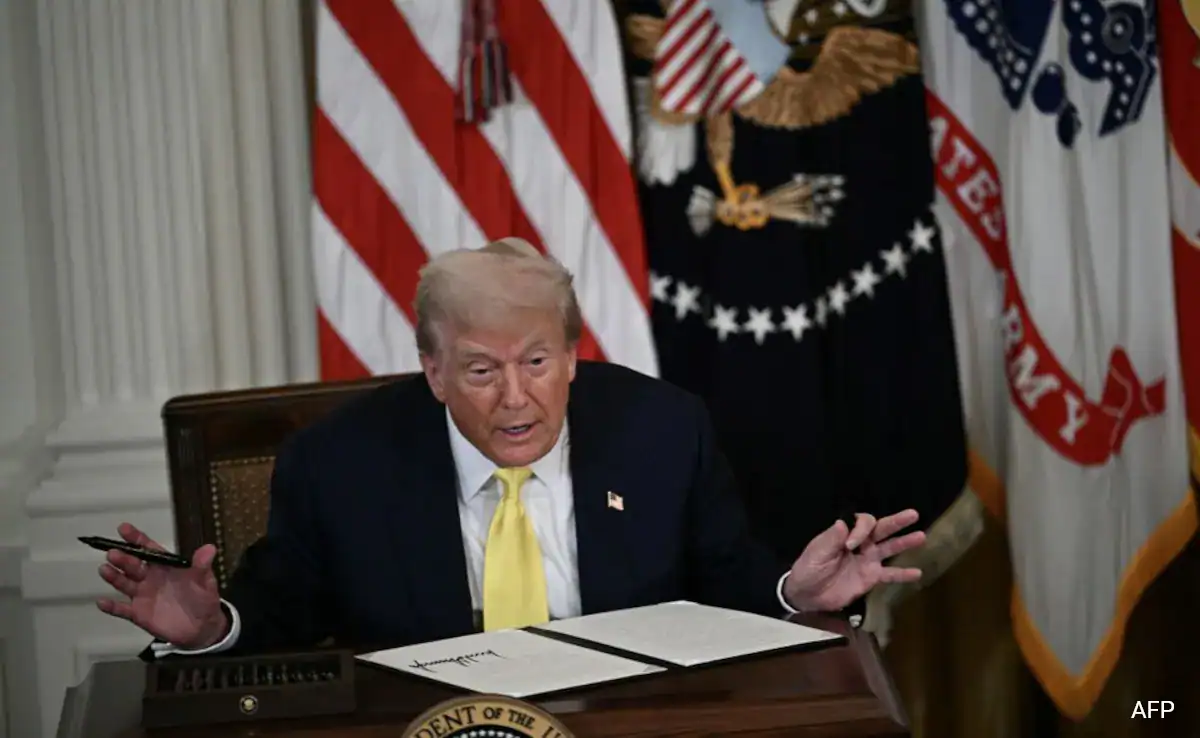
The retail landscape in the United States, long considered a pillar of the economy, is now on the brink of unprecedented upheaval. The looming threat of a 50% tariff proposed by former President Donald Trump has sent shockwaves through major retail corporations. As these companies grapple with the potential consequences, they are exploring various strategic options to mitigate the impact of such a drastic measure. This article delves into the implications of the tariff threat, how retail giants are responding, and what it might mean for consumers and the broader economy.
The Context Behind the Tariff Threat
Trade tensions between the United States and China, along with ongoing global economic uncertainties, have frequently made headlines. However, the recent proposition of a 50% tariff on imported goods has escalated concerns among retailers who rely heavily on global supply chains. This potential tarifffff could drastically increase costs for a multitude of products, from electronics and clothing to household goods.
According to a source, these tariffs could significantly elevate product costs, forcing retailers to reconsider their supply chains and pricing strategies.
Retail Giants’ Strategic Responses
Exploring Diversification and Supply Chain Reconfiguration
Morale and cautious optimism drive many of the US retail giants to explore alternatives. One primary strategy is to diversify their supply chains. Companies are looking into sourcing from countries less affected by tariffs or even reshoring manufacturing processes to reduce dependency on imports vulnerable to trade barriers.
Major retailers are also reevaluating their inventory management and logistics. For example, some are increasing stockpiles of popular products to accommodate potential delays or cost surges. Others are investing in automation and digital platforms to optimize distribution and minimize costs.
Engaging in Lobbying and Negotiations
Many retail giants are actively engaging in lobbying efforts to influence trade policies. By working with industry associations and policymakers, they aim to soften or delay the implementation of tariffs. These companies also engage in direct negotiations with suppliers and government bodies to secure more favorable terms and safeguard their interests.
Considering Consumer Pricing and Brand Positioning
Some companies are preparing to pass on part of the increased costs to consumers, which may lead to higher retail prices. While this approach could impact sales volume, it allows companies to maintain profit margins. Others are exploring promotional strategies that emphasize value and quality to retain customer loyalty despite potential price hikes.
Potential Impact on the US Economy and Consumers
The threat of significant tariffs wields profound implications, not just for the retail sector but also for the overall economy. Higher prices on imported goods could lead to inflationary pressures, affecting household budgets and consumer spending habits.
Consumers might experience an increase in everyday product prices, especially in categories like electronics, apparel, and household essentials. This could dampen spending, posing risks to economic growth, which is already vulnerable amid global uncertainties.
From a retailer’s perspective, heightened costs could also mean reduced profit margins, potential layoffs, or even store closures if the economic environment becomes too challenging.
Long-term Outlook and Industry Adaptation
While the immediate response focuses on contingency planning, the long-term outlook hinges on the evolution of trade policies and global economic dynamics. Retailers are increasingly emphasizing resilience by building more flexible supply chains and investing in technology to adapt swiftly to unforeseen disruptions.
Innovation in sourcing, logistics, and digital retailing will likely shape the future landscape, ensuring retail giants can weather tariff storms and continue serving consumers effectively.
Conclusion: Navigating the Minefield
The potential imposition of a 50% tariff by Trump has placed US retail giants in a precarious position. Their strategies are evolving rapidly as they seek to mitigate the risks associated with increased import costs and trade uncertainties. The coming months will be pivotal in determining which companies can adapt resiliently and maintain their dominance in a rapidly shifting market.
For consumers, the key takeaway is to stay informed about possible changes in pricing and availability. For the industry, it’s a call to innovate, diversify, and prepare for a future where trade policies may continue to influence business operations significantly.
Ultimately, the resilience of US retail giants will serve as a barometer for the broader economic health, underscoring the importance of strategic agility in an uncertain geopolitical landscape.
Stay Informed
For more updated news please keep visiting Hourly Prime News.