

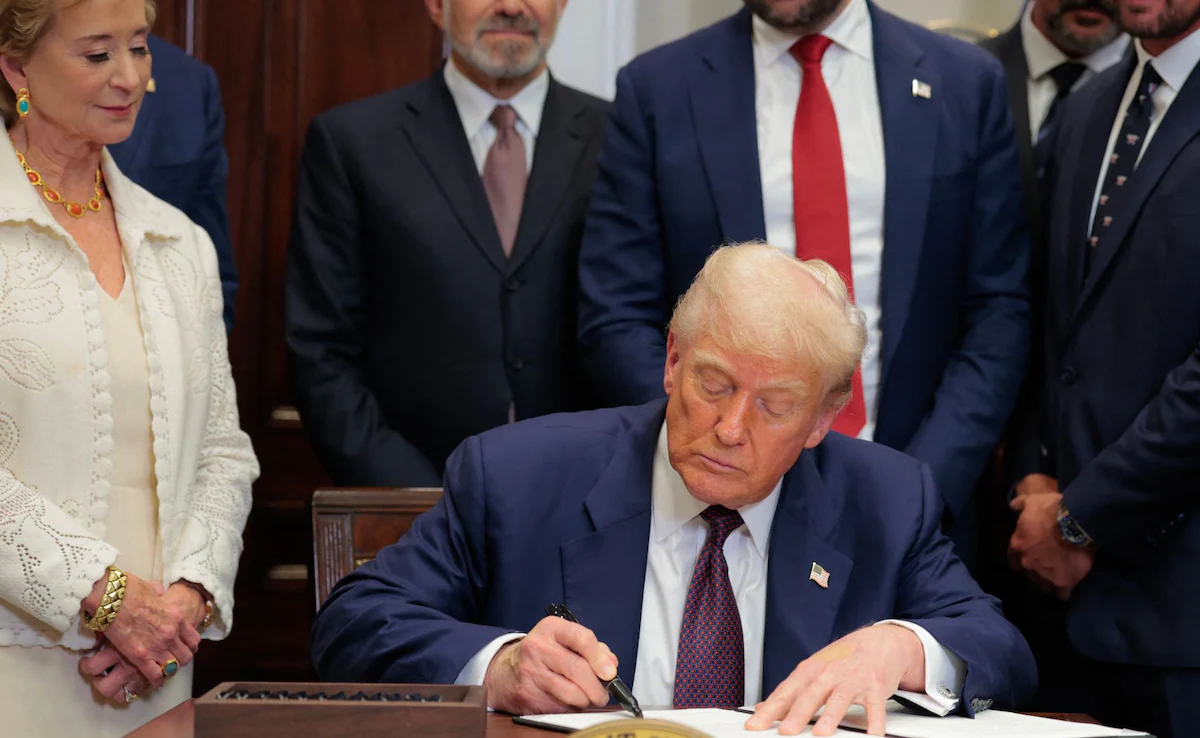
In recent times, the United States has witnessed a notable shift in its trade policies, marked by the implementation of new, sweeping tariffs under the Trump administration. These measures, taking effect in rapid succession, are not just isolated economic policies; they represent a profound transformation of the nation’s approach to international trade. As global markets respond and industries adapt, it becomes crucial to understand the full scope and implications of these tariffs, which are reshaping the very fabric of the US trade landscape.
The Motivation Behind the Tariffs
President Donald Trump famously emphasized protecting American jobs, revitalizing domestic industries, and reducing the trade deficit as primary motivations for bolstering tariffs. The administration argued that historical trade agreements had disproportionately favored other nations at the expense of the US workforce. By imposing these tariffs, executives aimed to:
- Rebalance trade deficits
- Encourage domestic manufacturing
- Leverage better trade terms in negotiations
- Protect vital industries from unfair foreign competition
These objectives have driven an aggressive tariff strategy, which has provoked both support and skepticism within economic and political circles.
The Scope and Nature of the New Tariffs
The recently enacted tariffs encompass a broad spectrum of imports, primarily targeting:
- Chinese goods — including electronics, machinery, and consumer products
- Steel and aluminum from various nations
- Imports from traditional trading partners such as Canada, Mexico, and the European Union
While the tariffs initially focused on specific sectors, their expansion has led to a ripple effect across numerous industries, instigating costs increases and supply chain adjustments. As detailed in source,
Immediate Impacts on the US Economy
Rising Costs and Inflationary Pressures
One of the direct consequences of tariffs has been an increase in costs for both manufacturers and consumers. Imported goods, especially raw materials like steel and aluminum, have become more expensive to source, forcing companies to either absorb these costs or pass them onto consumers. This has led to inflationary pressures across various sectors, pushing prices higher for everyday products.
Supply Chain Disruptions
Global supply chains are intricately linked, and the new tariffs have introduced significant disruptions. Companies reliant on foreign parts and components adjust to higher tariffs, often relocating production or seeking alternative suppliers, which can result in delays and increased operational expenses.
Impact on Consumer Goods and Retail
Consumers have experienced the direct fallout through increased prices on electronics, appliances, and other imported goods. Retailers, facing increased costs, are often reluctant to absorb the expenses, leading to a potential decline in sales volumes and profitability.
Trade Partners React and Reshape Strategies
In response to the US tariffs, many countries have implemented retaliatory measures. Canada, Mexico, China, and the EU have all announced tariffs on American exports, creating a tit-for-tat scenario that complicates international trade relations. These reactions aim to defend their own economic interests but also deepen tensions and diminish cooperation.
Furthermore, trade partners are exploring alternative markets and enhancing regional trade agreements to reduce dependency on US exports. This strategic pivot signifies a broader shift in global trade alliances, potentially leading to a more fragmented international economic landscape.
Notable Responses from Key Countries
- China: Initiated retaliatory tariffs on US agricultural and manufacturing goods, impacting American farmers and exporters.
- European Union: Imposed tariffs on US-origin products like bourbon, motorcycles, and other goods.
- Mexico and Canada: Revising trade agreements and imposing tariffs on specific US exports, as part of their strategies to counteract the impact.
The Long-term Industry and Market Repercussions
Shifts in Global Supply Chains
Businesses are reevaluating their supply chains to mitigate tariff impacts. Many are relocating portions of their manufacturing processes to countries with more favorable trade terms, such as Vietnam, India, or Mexico. This shift aims to maintain competitiveness and avoid rising costs associated with tariffs.
Emergence of New Trade Alliances
Trade blocs and regional agreements are gaining prominence as countries bolster regional cooperation to counterbalance tariffs and trade disruptions. Initiatives like the Comprehensive and Progressive Agreement for Trans-Pacific Partnership (CPTPP) and the African Continental Free Trade Area exemplify efforts to foster intra-regional trade that is less dependent on US market dynamics.
Impact on US Industries
- Manufacturing: Some sectors, especially steel and aluminum, have experienced growth due to tariffs protecting domestic producers. However, industries reliant on imported components face higher costs, potentially reducing their competitiveness.
- Agriculture: The agricultural sector has been significantly impacted, especially by Chinese retaliatory tariffs, leading to crop surpluses and decreased revenue for farmers.
- Technology and Consumer Goods: Increased costs for imported electronics and gadgets may slow innovation and consumer spending, affecting overall economic growth.
Political and Global Implications
Beyond economic impacts, tariffs carry substantial political weight. They serve as leverage in negotiations but also risk fostering isolation and protectionism. The global community watches these developments closely, as they signal a potential shift toward more unilateral trade policies. Future relations between the US and other major economies will likely depend on how these tariffs evolve and whether diplomatic negotiations can repair frayed trade ties.
Potential for Trade Wars and Destabilization
If tariffs continue to escalate, the risk of a full-scale trade war increases, which could destabilize global markets and hinder global economic growth. Policymakers need to balance the goals of protecting domestic industries with maintaining healthy international trade relations.
Conclusion: A New Era in US Trade Policy
President Trump’s recent tariff decisions mark a significant departure from traditional trade liberalization efforts. While intended to bolster the US economy by shielding certain industries and correcting trade imbalances, the broad-ranging impacts have created a complex and sometimes volatile economic environment. Businesses and governments alike must navigate these turbulent waters thoughtfully to secure sustainable growth amid ongoing trade shifts.
As the US continues to implement and adjust tariffs, the global trade landscape will undoubtedly evolve, driven by strategic negotiations, economic shifts, and geopolitical considerations. Stakeholders must remain vigilant and adaptable in this new era of American trade policy.
For more updated news please keep visiting Hourly Prime News.