

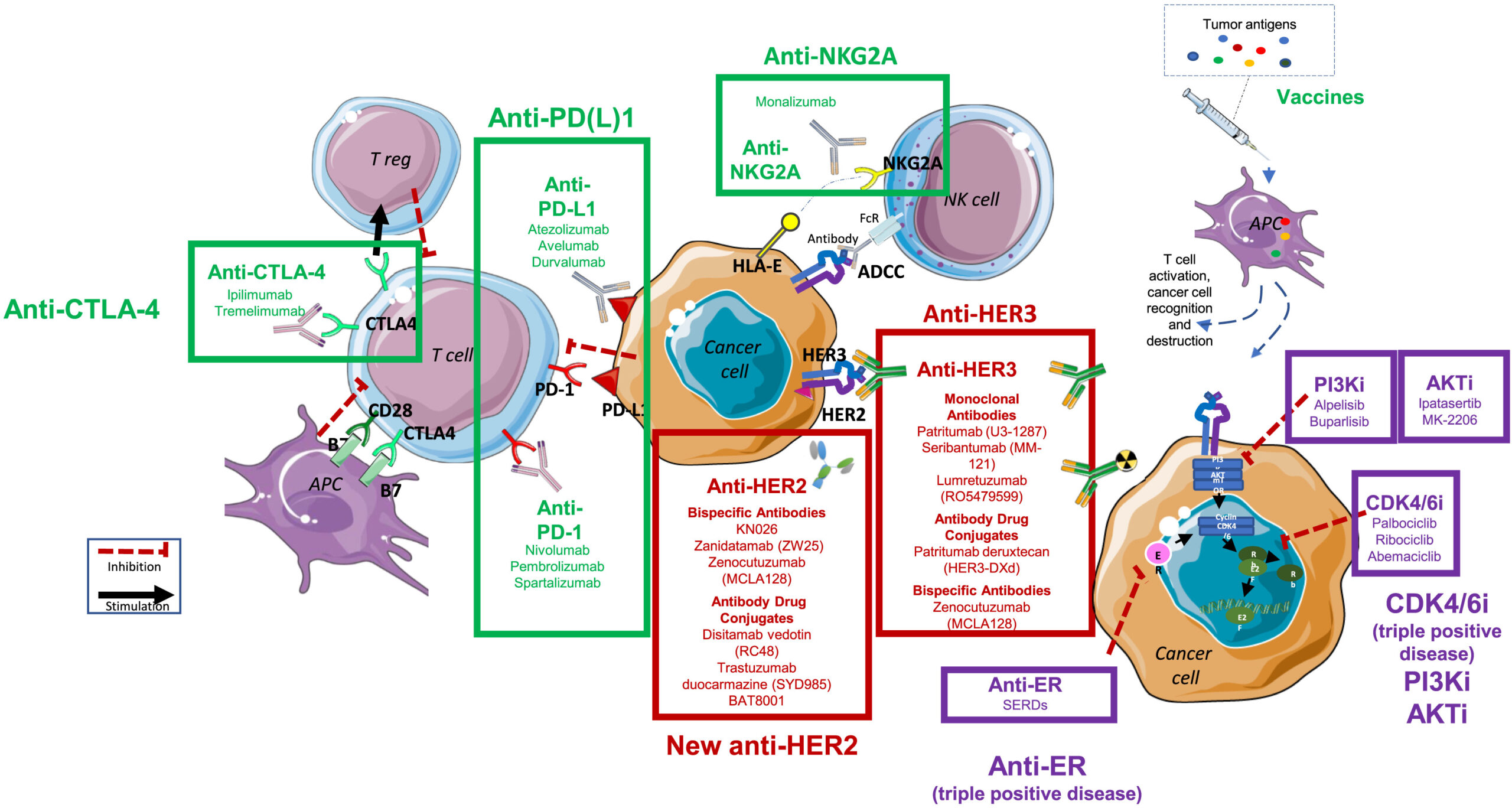
HER2-positive breast cancer remains a formidable subtype of breast malignancies, characterized by overexpression of the human epidermal growth factor receptor 2 (HER2). This molecular profile accounts for approximately 15-20% of breast cancers and is associated with aggressive disease progression and a poorer prognosis compared to HER2-negative counterparts. However, advancements in targeted therapies such as trastuzumab, pyrotinib, and combination chemotherapies have significantly improved patient outcomes. Despite these progressions, understanding the determinants that predict treatment success and long-term prognosis continues to be a critical area of research.
The Significance of Pathological Response in HER2-Positive Breast Cancer
Understanding Pathological Complete Response (pCR)
A key concept in assessing therapeutic efficacy is the pathological complete response (pCR). Achieving pCR after neoadjuvant therapy — treatment given prior to surgery — often correlates with favorable long-term outcomes. pCR indicates the absence of residual invasive cancer in the breast and axillary lymph nodes, serving as a surrogate marker for treatment effectiveness.
Prognostic Value of Pathological Response
Recent clinical studies have demonstrated that patients who attain pCR exhibit significantly improved disease-free survival (DFS) and overall survival (OS). In the context of HER2-positive breast cancer, the prognostic value of pCR is particularly pronounced. For instance, a recent phase II trial evaluated the use of neoadjuvant pyrotinib, trastuzumab, nab-paclitaxel, and carboplatin. The findings suggested that patients attaining pCR were less likely to experience disease recurrence, marking pCR as a potent predictor of prognosis in this setting.
Metabolomics: A New Frontier in Prognostication
Role of Metabolites in Cancer Biology
While traditional prognostic markers focus on tumor size, lymph node status, and molecular expression profiles, metabolomics has emerged as an innovative approach to understand tumor heterogeneity and treatment response. Metabolites — small molecules involved in cellular metabolism — reflect dynamic biological processes, including tumor proliferation, immune response, and resistance mechanisms.
Metabolite Profiles as Predictors of Treatment Response
- Altered metabolic pathways can influence how tumors respond to therapies like HER2-targeted agents.
- Specific metabolite signatures may distinguish responders from non-responders, facilitating personalized treatment adjustments.
- In the recent study focusing on HER2-positive breast cancer, the analysis of metabolites post-treatment showcased potential as prognostic biomarkers.
Integrating Pathological Response and Metabolomic Data for Better Prognosis
Synergistic Power of Combined Biomarkers
Combining traditional histopathological assessments (such as pCR) with metabolite profiling offers a comprehensive approach to prognosis. This integration allows clinicians to evaluate not only the residual tumor burden but also the underlying biological and metabolic adaptations of cancer cells.
Implications for Treatment Strategies
The capacity to predict long-term outcomes more accurately can influence treatment strategies, such as:
- Deciding on the intensity and duration of adjuvant therapy.
- Identifying patients at higher risk of recurrence who may benefit from novel or additional therapies.
- Monitoring treatment response dynamically through metabolic biomarkers, enabling real-time adjustments.
Current Research and Future Directions
Ongoing Clinical Trials and Findings
As exemplified by the aforementioned phase II trial, ongoing research aims to validate the role of both pathological response and metabolites as reliable prognostic markers. Such trials also evaluate how targeted therapies influence metabolic pathways and whether metabolic changes precede or follow histopathological alterations.
Challenges and Opportunities
Despite promising data, challenges remain, including:
- Standardizing metabolomic analysis methods.
- Determining the best time points for metabolic profiling.
- Integrating multi-omics data with clinical algorithms.
Future research endeavors hope to harness advancements in high-throughput technology and bioinformatics to develop comprehensive, personalized prognostic models for HER2-positive breast cancer.
Conclusion
The prognostic landscape of HER2-positive breast cancer is evolving with the recognition of pathological response and metabolic profiling as vital tools. Achieving pCR remains a robust indicator of favorable outcome, yet integrating metabolite data offers an exciting frontier to further refine prognostication and personalize therapy. As research progresses, these combined insights will likely enable clinicians to optimize treatment plans, improve survival, and enhance quality of life for patients battling HER2-positive breast cancer.
For more updated news please keep visiting Hourly Prime News.