

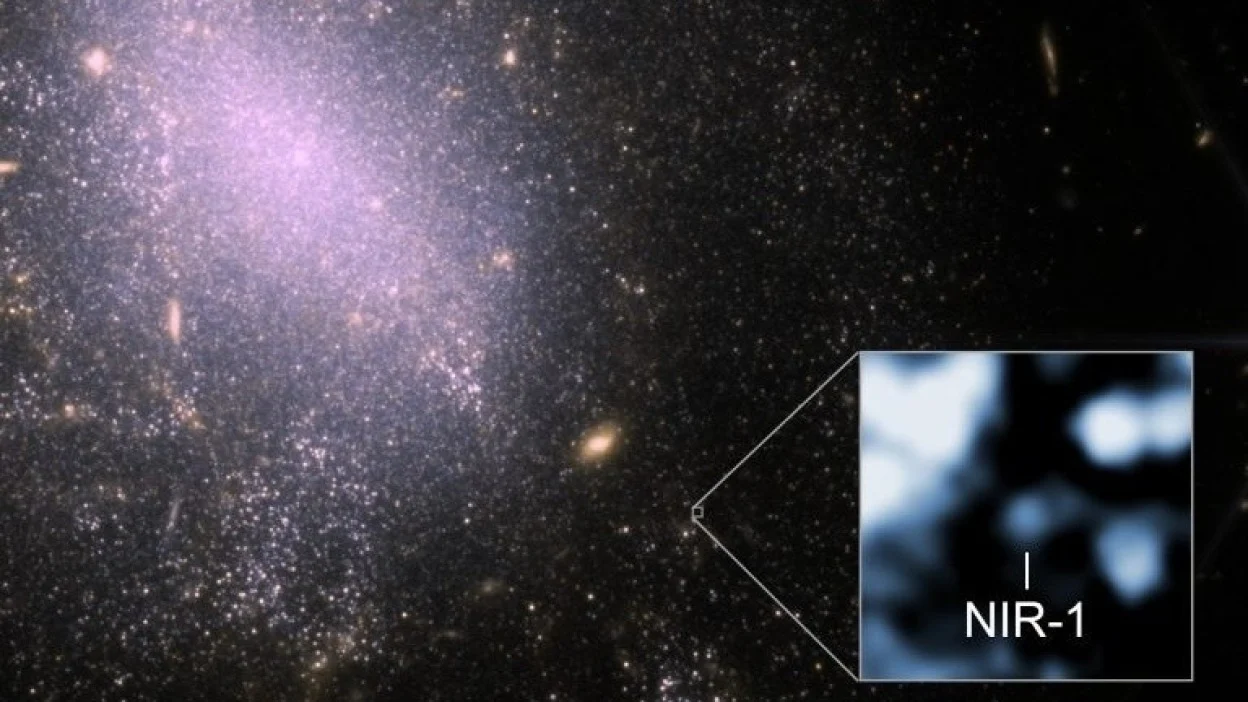
For decades, astronomers and astrophysicists have been captivated by strange, inexplicable radio signals emanating from deep space. These signals, often irregular and unpredictable, have fueled speculations about extraterrestrial intelligence, cosmic phenomena, and the universe’s hidden secrets. The recent development in tracking these enigmatic signals to their precise source has marked a significant milestone in our quest to understand what lurks beyond our planetary neighborhood.
Tracking the Cosmic Mystery: How Researchers Traced the Signals
According to the groundbreaking report published by Mashable, scientists have successfully pinpointed the origin of some of the most perplexing space radio signals. This achievement involved sophisticated array telescopes, enhanced data analysis techniques, and international collaboration, which collectively enabled astronomers to associate these signals with specific celestial locations.
The key steps in this tracking process involved:
- Enhanced radio telescope arrays: Utilizing multiple telescopes working in unison to improve directional accuracy.
- Signal triangulation: Cross-referencing data from different observatories worldwide to accurately locate the sources.
- Data analysis algorithms: Employing machine learning and pattern recognition tools to discriminate genuine signals from noise.
- Extended observation periods: Monitoring suspected sources over time to confirm persistent origins.
The Significance of Identifying Source Locations
Knowing the precise origins of these signals opens up an array of scientific opportunities. Researchers can now study the celestial bodies or phenomena responsible, which might include pulsars, magnetars, or even uncharted types of cosmic objects. This clarity may help answer questions about the nature and frequency of such signals, their potential links to extraterrestrial civilizations, or intriguing astrophysical processes occurring in those regions.
Furthermore, tracking these signals provides vital clues about the universe’s structure and the distribution of energetic events across different galaxies. Each identified source becomes a new chapter in our cosmic catalog, enriching our understanding of the universe’s complexity.
Potential Mysteries and Debates: Are We Alone in the Cosmos?
The identification of these signals inevitably rekindles age-old debates about extraterrestrial life. Among the notable recent discoveries is the detection of brightest fast radio burst (FRB) ever detected</>, a phenomenon that continues to mystify scientists. Such intense bursts could be indicative of highly energetic cosmic events or, tantalizingly, signal some form of intelligent origin.
According to The Times of India, some experts posit that these signals might be a form of communication or a byproduct of astrophysical processes that are yet unknown. The quest for understanding continues, as astronomers aim to decode the potential messages encoded within these bursts.
Implications for Extraterrestrial Life and Future Exploration
One of the most exciting aspects of this discovery is its implication for the search for life beyond Earth. As The Economic Times, highlights, these signals indeed may open new chapters in astrobiology—a field dedicated to finding signs of life beyond Earth.
In the coming years, with further advancements in telescope technology, data processing, and international collaboration, we may soon detect even more compelling signals. These breakthroughs could eventually lead us to confirm the existence of extraterrestrial intelligence or deepen our understanding of cosmic phenomena—transforming our perception of the universe forever.
Looking Ahead: The Road of Cosmic Discovery
The recent achievements in tracking cosmic radio signals are just the beginning of an exciting era in astrophysics. Ongoing surveys and future missions, such as the deployment of next-generation radio telescopes, hold promise for uncovering countless more mysteries. As technology progresses, humanity edges closer to answering fundamental questions: Are we alone? What is the true nature of the universe? And could there be intelligent life capable of communicating across the vastness of space?
The scientific community remains optimistic. Each discovery invites more questions, fueling the unending human curiosity about our cosmic habitat. As we continue exploring the depths of space, one thing is certain: the universe is a far more mysterious and fascinating realm than we could have ever imagined.
Conclusion
The detection and precise localization of space radio signals mark a milestone in astrophysics. It sets the stage for a deeper understanding of cosmic phenomena and the potential for discovering extraterrestrial life. While many questions remain unanswered, these discoveries underline the importance of persistent exploration, technological innovation, and international cooperation in unraveling our universe’s secrets.
As we await further revelations, one thing is clear—our cosmic journey has just begun, and the universe might be whispering answers to us from the depth of space. We need to listen carefully.
For more updated news please keep visiting Hourly Prime News.