

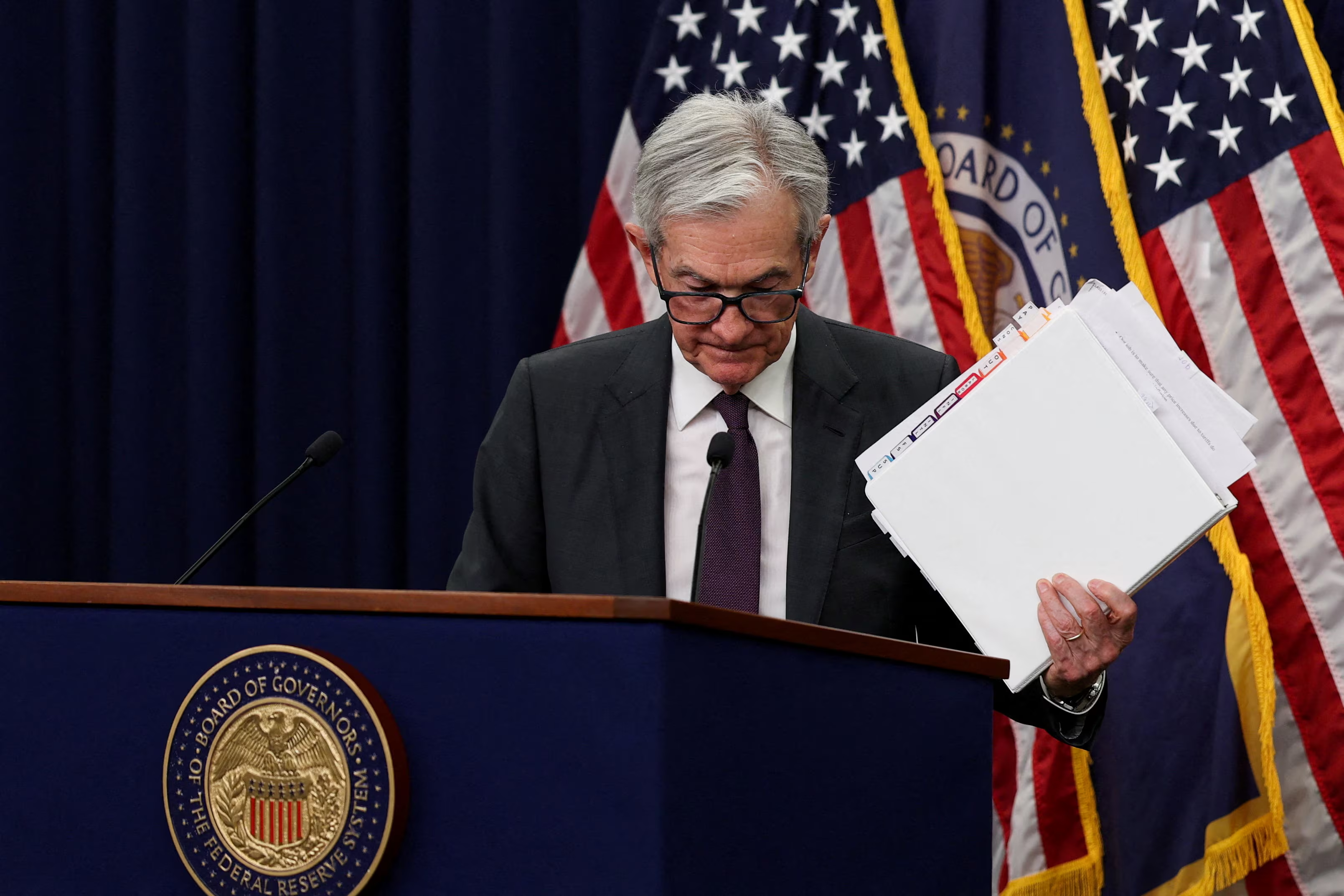
The financial markets have experienced a significant downturn in recent days, driven by a combination of escalating tariffs, concerning jobs data, and a startling political development—the firing of the Labor Bureau statistics chief by President Donald Trump. This sequence of events has created an atmosphere of uncertainty among investors, policymakers, and economic analysts alike, raising questions about the trajectory of the U.S. economy and the direction of government data transparency.
The market reactions reflect underlying fears about the stability of American economic data, potential disruptions in labor statistics reporting, and broader geopolitical tensions. As the global economy is sensitive to policy changes and political stability within the United States, such developments have immediate and far-reaching consequences.
The Role of Tariffs in Shaping Market Sentiments
One of the primary factors contributing to the recent market decline has been the ongoing trade tensions amplified by increased tariffs. The U.S. government’s decision to impose new or higher tariffs on various import categories has rattled global markets, igniting fears of retaliatory measures from trading partners and higher costs for consumers and manufacturers.
**Key points about the impact of tariffs:**
- Increased Costs for Businesses: Tariffs raise the cost of imported goods, squeezing profit margins for companies reliant on global supply chains.
- Consumer Price Inflation: Higher tariffs often lead to increased prices for everyday goods, reducing consumer spending power.
- Global Market Volatility: Tariffs can disrupt global trade flows, leading to erratic market movements and decreased investor confidence.
- Political Instability: Tariff escalations often coincide with political disagreements, further unsettling markets.
The imposition of tariffs, particularly in sectors like steel, aluminum, and technology, sparks fears of a trade war that could slow economic growth globally. Markets tend to react negatively to such uncertainties, fearing reduced international trade and economic slowdown.
Jobs Data and Economic Indicators: A Worrying Sign
Adding fuel to the market decline is the release of jobs data that has highlighted underlying weaknesses in the labor market. Recent reports indicate slower employment growth, wage stagnation, or increased unemployment rates, all of which serve as cautionary signs for investors and policymakers.
**Highlights of recent jobs data include:**
- Slower-than-expected job creation in key sectors such as manufacturing and services.
- Stagnant wages, which suggest limited income growth for the average worker.
- Rising unemployment rates in certain regions or industries, hinting at potential economic slowdown.
These data points contribute to a narrative that the U.S. economy may be experiencing cooling momentum just as tariffs and international trade tensions intensify. Stock markets are particularly sensitive to such indicators because they influence company earnings projections and consumer confidence.
Political Developments: Firing of the Labor Bureau Statistics Chief
Adding an unprecedented layer of complexity to the economic landscape was President Trump’s decision to dismiss the head of the Labor Bureau of Statistics. This agency, responsible for collecting vital economic data like employment figures, wage information, and productivity measures, plays a crucial role in shaping fiscal policies and market perceptions.
**Implications of this political move include:**
- Erosion of Data Transparency: Concerns over the politicization of economic data, leading to questions about the reliability of future statistics.
- Market Uncertainty: Investors may interpret the firing as an attempt to manipulate or withhold crucial economic information.
- Policy Confidence: Reduced confidence in government agencies responsible for economic oversight can hinder policy formulation and implementation.
In the wake of this decision, financial markets have reacted with volatility, reflecting fears about potential manipulation or suppression of economic data vital for making informed investment decisions.
Market Reactions and investor Sentiment
The sharp decline in market indices, including the Dow Jones Industrial Average, S&P 500, and NASDAQ, underscores the heightened anxiety among investors. The immediate sell-off was not only caused by direct economic indicators but was also exacerbated by political uncertainty.
**Key market reactions include:**
- Stock Market Slump: Major indices dropped sharply, with tech and manufacturing sectors experiencing heavy losses.
- Foreign Currency Fluctuations: The U.S. dollar weakened against major currencies amid concerns over economic stability.
- Investor Flight to Safe Assets: Increased buying of gold, Treasury bonds, and other safe-haven assets as confidence wanes.
- Increased Volatility: Extended periods of market turbulence as traders reassess risk factors.
This environment signals a shift in investor sentiment from optimism to cautiousness, which could continue until clarity is restored regarding trade policies, economic data integrity, and political stability.
The Broader Economic Implications
The recent market decline signifies more than just short-term fluctuations; it reflects deeper concerns about the future of the U.S. economy and the impact of political decisions on economic fundamentals.
**Economic implications include:**
- Potential slowdown in GDP growth: Persistent trade tensions and market volatility can dampen consumer and business spending.
- Investment Reductions: Uncertainty often leads to postponed or canceled investments in infrastructure, technology, and expansion plans.
- Federal Reserve Responses: The central bank may face increased pressure to adjust interest rates or implement other monetary policies to support the economy.
- Impact on Small and Medium Enterprises: Increased costs and market uncertainty can disproportionately affect smaller firms with limited financial buffers.
While some analysts remain optimistic about the long-term resilience of the U.S. economy, the current developments highlight the vulnerability of markets to geopolitical and policy shocks.
Potential Future Scenarios and Market Outlook
Looking ahead, several scenarios could unfold based on how the political and economic landscapes evolve:
Scenario 1: Diplomatic negotiations and trade agreements de-escalate tensions, restoring market confidence.
Scenario 2: Continued trade disputes and political instability lead to further declines and increased volatility.
Scenario 3: The government intervenes with policy measures aimed at stabilizing the economy, such as monetary easing or fiscal stimulus.
Investors should remain vigilant, monitor upcoming economic data releases, and evaluate their portfolios considering the heightened volatility.
Conclusion: Navigating Uncertain Waters
The recent market downturn underscores how intertwined political decisions, international trade policies, and economic indicators have become in shaping financial stability. The firing of the Labor Bureau statistics chief has raised legitimate concerns about data integrity, compounded by ongoing tariff disputes and shifting employment patterns.
As market participants digest this complex mix of factors, maintaining a diversified and cautious investment approach is advisable. Transparency, timely data, and prudent policy measures will be essential to restoring confidence and steering the economic ship through these turbulent times.
For more updated news please keep visiting Hourly Prime News.