

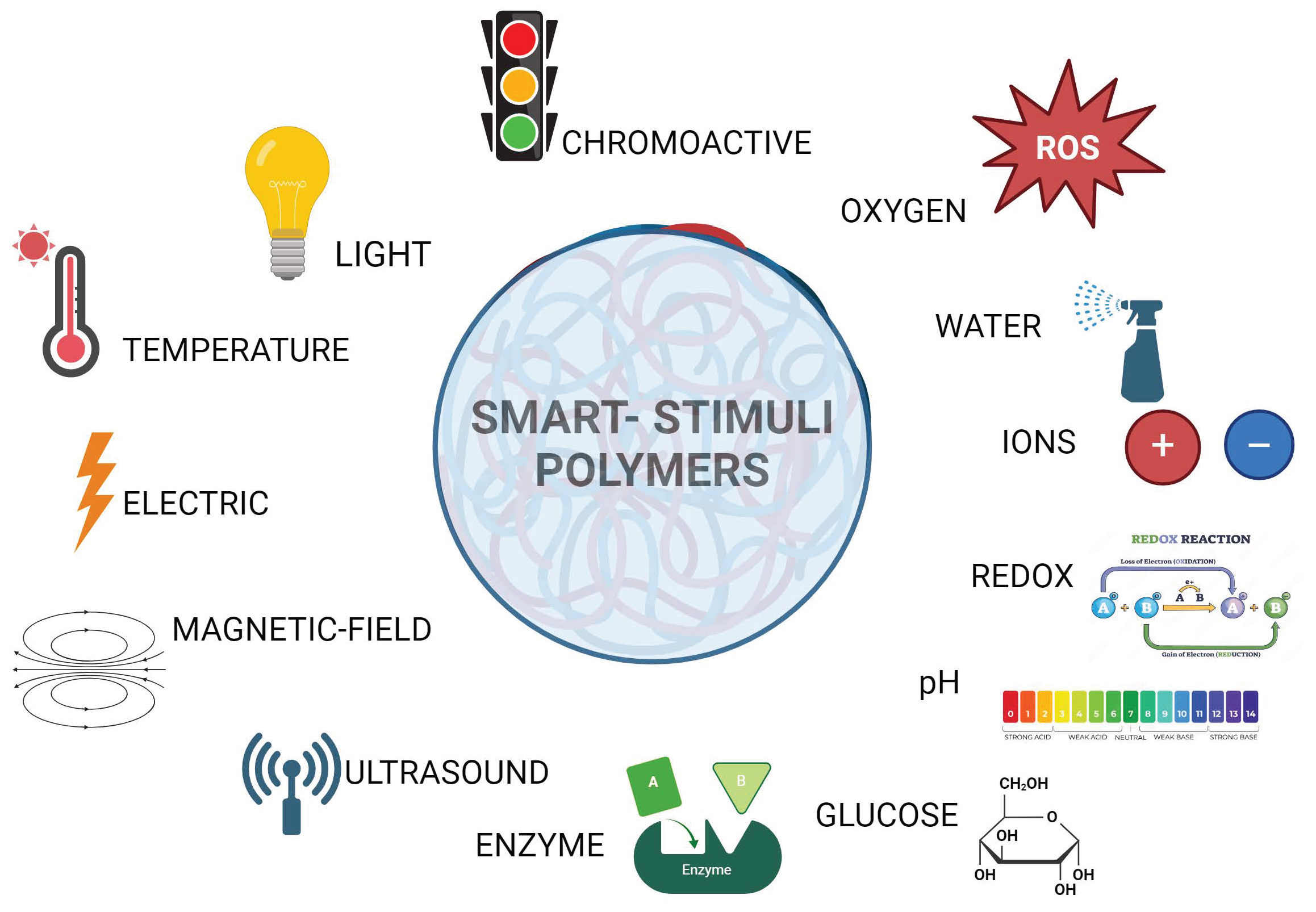
In recent years, the field of material science has witnessed a groundbreaking shift with the advent of smart polymers—materials that can respond dynamically to environmental stimuli such as temperature, pH, light, or mechanical stress. Coupled with a strong emphasis on sustainability, these innovative polymers are set to revolutionize sectors like medicine, electronics, and optics. Researchers at the Karabük Technical University (KTU) have been at the forefront of this evolution, developing sustainable smart polymers that promise exceptional performance while minimizing environmental impact.
The Rise of Sustainable Smart Polymers
Understanding Smart Polymers
Smart polymers are materials engineered to change their physical or chemical properties in response to specific external triggers. These adaptive capabilities make them ideal for applications that require precise control and responsiveness, such as drug delivery systems, flexible electronics, and adaptive optical devices.
The Sustainability Paradigm
Traditional polymers and plastics have long posed environmental challenges due to their non-biodegradable nature and reliance on fossil fuels. The shift towards sustainable polymers involves sourcing raw materials from renewable resources, designing for biodegradability, and reducing ecological footprints during production and disposal.
Research Breakthroughs at Karabük Technical University (KTU)
Development of Eco-friendly Smart Polymers
KTU researchers have pioneered the development of novel smart polymers made from renewable precursors like plant-based monomers and biodegradable components. These materials maintain excellent responsiveness while ensuring environmental safety. Their innovative synthesis processes reduce energy consumption and eliminate harmful chemicals, aligning with global sustainability goals.
Multifunctionality for Diverse Industries
The engineered polymers demonstrate multifaceted capabilities, including:
- Medical Applications: Targeted drug delivery, tissue engineering scaffolds, and wound dressings that respond to physiological cues and decompose safely after fulfilling their purpose.
- Electronics: Flexible, durable, and self-healing electronic components, sensors, and memory devices that adapt to operational environments, improving device longevity and performance.
- Optics: Smart lenses and coatings that adjust transparency or refractive index in real-time, enabling advanced imaging techniques, adaptive lenses, and energy-efficient windows.
The Significance of Sustainable Smart Polymers in Key Sectors
Revolutionizing Medicine
In biomedicine, these polymers facilitate the creation of stimuli-responsive drug delivery systems that release therapeutics precisely where needed, minimizing side effects. Additionally, biodegradable scaffolds promote tissue regeneration, reducing the need for invasive procedures and long-term implants. The sustainability aspect ensures that these medical devices are environmentally benign once disposed of, addressing concerns about medical waste accumulation.
Transforming Electronics
Electronics are increasingly dependent on flexible, lightweight, and adaptive materials. Sustainable smart polymers enable the fabrication of next-generation wearable devices, soft robotics, and sensor networks that are both environmentally friendly and highly functional. Their self-healing properties or ability to adapt to mechanical stress ensure longer lifespan and reliability of electronic components.
Advancing Optical Technologies
In optics, the ability of smart polymers to modify their optical properties dynamically opens new horizons for smart windows, tunable lenses, and optical sensors. These innovations contribute to energy savings, enhanced imaging systems, and more efficient communication technologies. Integrating sustainability into optical materials ensures that these advancements do not come at an environmental cost.
Potential Challenges and Future Directions
Technical Hurdles
While promising, the development of sustainable smart polymers faces challenges such as achieving high durability, consistent responsiveness, and scalability. Balancing biodegradability with functional performance remains a key area of research.
Environmental and Economic Impact
Large-scale deployment requires assessing environmental benefits against production costs. Researchers are exploring green synthesis methods and eco-friendly raw materials to make these polymers economically viable and environmentally sustainable.
Innovative Collaborations and Commercialization
The future of sustainable smart polymers hinges on interdisciplinary collaborations among chemists, biologists, engineers, and industry stakeholders. Commercialization efforts are focusing on integrating these materials into existing manufacturing processes, enhancing their accessibility and impact across various sectors.
Conclusion
The development of sustainable smart polymers by KTU researchers marks a significant milestone in material science, offering a pathway toward environmentally responsible and highly functional materials. With broad applications spanning medicine, electronics, and optics, these polymers are poised to deliver innovative solutions that are both effective and ecologically sound. As research continues and these materials mature, their integration into everyday technology promises to deliver smarter, greener, and more sustainable solutions for the future.
For more updated news please keep visiting Hourly Prime News.