

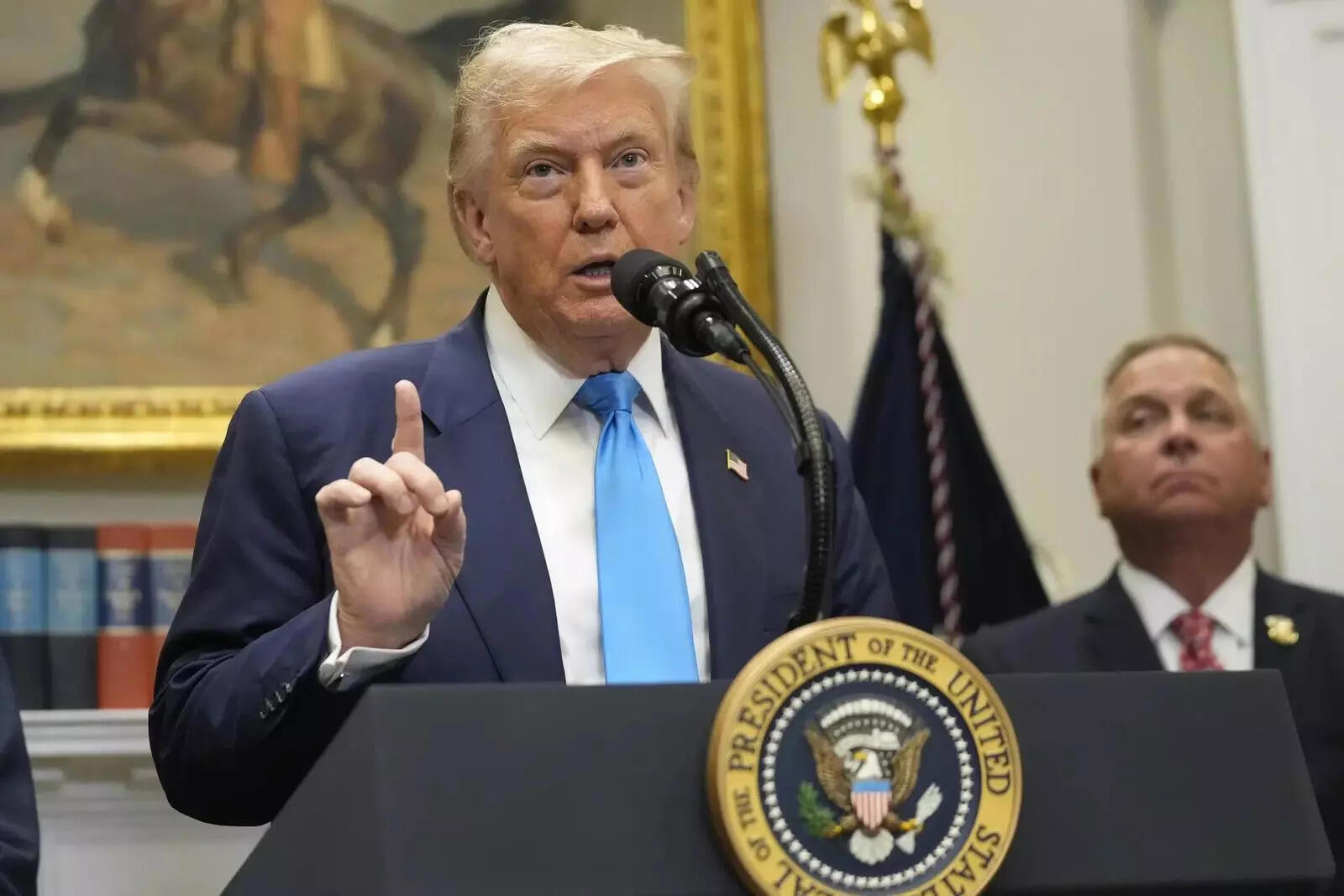
US Tariffs Targeted Countries Highlights
In a significant development on the global trade front, India has taken a firm position amidst the United States’ rollout of new tariffs affecting nearly 70 countries. Starting August 7, the US has implemented a broad tariff regime that aims to reshape international trade dynamics, and India’s reaction underscores its growing assertiveness in safeguarding its economic interests.
Background of US Tariffs and Their Global Impact
The recent move by the United States, spearheaded during the Trump administration, involves imposing tariffs on a wide array of imports from multiple countries. This strategy is part of a broader effort to rebalance trade deficits and exert economic leverage. According to here for the detailed report on the tariffs’ implications.
India’s Strategic Response to US’s Tariffs
India’s government has shown a clear inclination to stand its ground, signaling a recalibration of its trade strategy. The move is seen as a response not just to the tariffs but also to the broader context of trade tensions involving multiple major economies. The Indian stance involves several key components:
- Rejecting No-Go Areas for Trade Negotiations: India has emphasized that certain sectors and products should remain open for dialogue and negotiations, resisting US demands that might restrict India’s trade flexibility.
- Protecting Domestic Industries: With tariffs potentially impacting Indian exports and imports, the government aims to shield sensitive sectors from adverse effects, ensuring economic stability and growth.
- Engaging in Multilateral Forums: India is actively participating in international trade organizations, advocating for fair trade practices and resisting unilateral tariff impositions that could distort global markets.
Implications of the New Tariff Regime
The consequences of the US’s tariff policies are complex and multifaceted. On one hand, these tariffs might compel targeted countries to reconsider trade agreements, diversify supply chains, or seek alternative markets. On the other hand, they might provoke retaliatory measures and exacerbate global economic uncertainty.
For India, these developments create both challenges and opportunities:
- Challenges:
- Potential disruptions to Indian exports in sectors sensitive to tariffs, such as textiles, IT, and pharmaceuticals.
- Increased costs for imported goods, impacting domestic manufacturing and consumer prices.
- Trade tensions leading to uncertainty in international markets, affecting foreign investment.
- Opportunities:
- Strengthening bilateral and regional trade agreements outside the US-centric framework.
- Accelerating efforts to diversify exports and reduce dependency on traditional markets.
- Enhancing the competitiveness of Indian industries through reforms and innovation initiatives.
India’s Approach Moving Forward
Recognizing the evolving trade landscape, India is adopting a proactive stance. The government is engaging with its trade partners, exploring new markets, and reinforcing policies to boost domestic manufacturing, famously dubbed “Atmanirbhar Bharat,” or Self-reliant India.
At the same time, diplomatic channels are being utilized to communicate India’s interests and concerns to the US and other nations affected by the tariffs. The emphasis remains on dialogue, multilateral cooperation, and ensuring that India’s trade policies align with its long-term economic goals.
Expert Opinions and Future Outlook
Trade analysts suggest that India’s hardened stance signals a shift towards greater resilience and strategic autonomy. While immediate impacts may introduce volatility, the overall outlook is geared towards building a more self-sufficient economy capable of navigating unpredictable global trade policies.
This development is also a reminder of the interconnectedness of global markets. Countries like India are increasingly asserting their sovereignty in trade matters, balancing diplomatic negotiations with firm policies designed to protect their economic sovereignty.
Conclusion
The effective date of August 7 marks a pivotal moment in international trade relations, with the US’s broad tariff regime prompting responses from emerging economies like India. As the global economic landscape continues to evolve, countries are recalibrating their strategies, emphasizing resilience, diversification, and strategic alliances.
India’s firm response underscores its resolve to protect its economic interests while participating actively in multilateral efforts to promote fair trade practices. The coming months will reveal how these tensions adjust global supply chains and influence international trade policies moving forward.
For more updated news please keep visiting Hourly Prime News.