

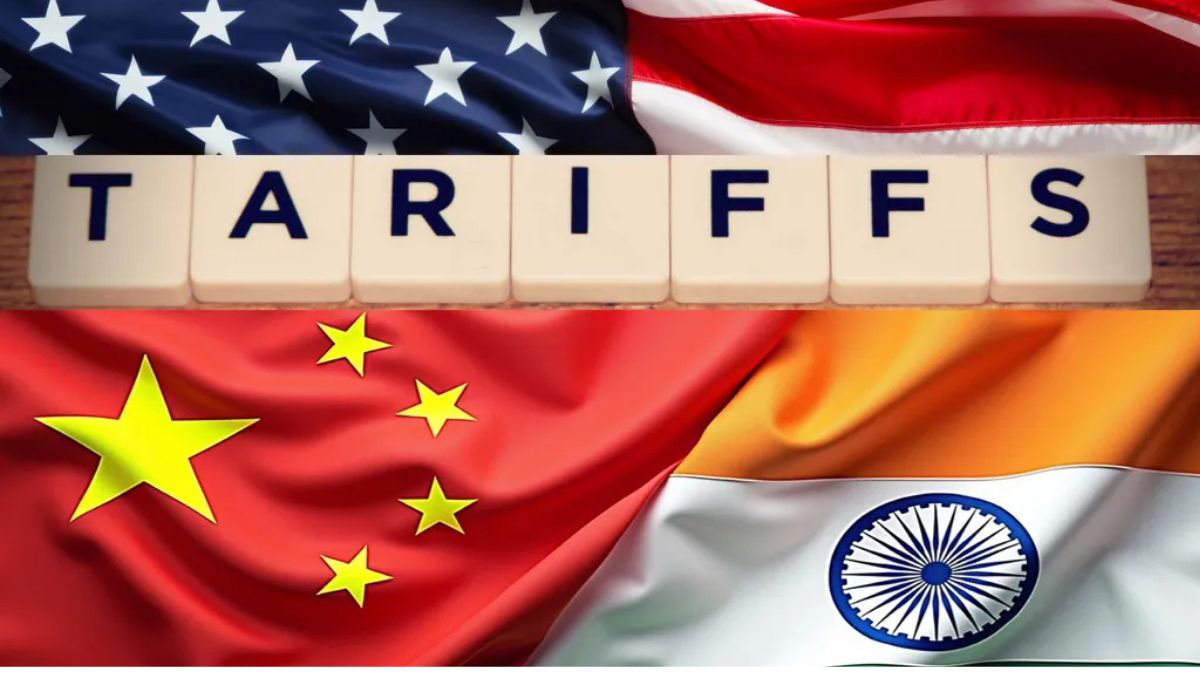
Trump Tariffs Highlights – Navigating the Trade Tensions
In an era marked by complex international trade dynamics, India stands firm against the recent tariffs imposed by the United States under the leadership of former President Donald Trump. As trade talks are set to resume on August 25, India’s unwavering stance highlights its commitment to protecting its national interests, particularly those of its farmers and key economic sectors.
Background of the Trump Tariffs and Their Global Impact
During Donald Trump’s presidency, the United States implemented a series of tariffs aimed at economic protectionism and recalibrating international trade relationships. While intended to bolster American industries, these tariffs inadvertently triggered a ripple effect across global markets, prompting nations to retaliate or negotiate to safeguard their own interests.
India, a significant player in the global economy and a major exporter of agricultural products, found itself in the crosshairs of these trade tensions. The tariffs posed a considerable threat to Indian farmers, whose livelihoods depend heavily on exports like basmati rice, spices, and other agricultural commodities. The Indian government’s stance has been clear: it refuses to compromise on its farmers’ interests, emphasizing the importance of fair trade without sacrificing sectoral stability.
India’s Firm Stance on Farmers’ Interests
One of the critical reasons behind India’s resistance is its dedication to safeguarding the welfare of its farmers. With a large proportion of the population engaged in agriculture, any adverse impact on this sector can have destabilizing effects on the entire economy.
India’s government has reiterated that it will not accept tariffs that could undermine the competitiveness of Indian agricultural exports. This stance is rooted in the recognition that farmers are the backbone of Indian society, providing food security and contributing significantly to the nation’s GDP. Protecting their interests is seen as a national priority, and India maintains that any trade agreements must respect this fundamental economic reality.
Trade Talks Resuming: A Path to Negotiation
The upcoming trade talks scheduled for August 25 signal hope for a constructive dialogue between India and the United States. Both nations acknowledge the importance of resolving trade tensions amicably, aiming to reach mutually beneficial agreements that balance fair trade practices with sectoral protections.
According to recent updates, negotiations are expected to focus on several key issues, including tariffs, market access, and intellectual property rights. However, India’s refusal to compromise on farmers’ interests is likely to be a central point of discussion, illustrating the country’s resolve to push back against policies perceived as unfair or detrimental to its economic sovereignty.
Some analysts suggest that these talks could pave the way for a new phase of trade relations, emphasizing cooperation over conflict. Yet, India’s firm stance indicates that it will not back down from protecting its domestic agriculture sector, which remains critical for millions of Indian households.
Geopolitical and Economic Implications
The resumption of trade negotiations between India and the United States holds broader implications for global economic stability. As two of the world’s largest economies, their policies and negotiations influence regional and international markets.
India’s resistance underscores a broader trend among emerging economies asserting their sovereignty in trade matters. While the U.S. aims to strengthen its domestic industries, countries like India seek to ensure that global trade policies do not disproportionately favor developed nations at the expense of developing economies.
This standoff also highlights the importance of multilateral trade agreements and the need for equitable frameworks that consider the unique challenges faced by different nations. For India, maintaining this balance is essential to foster sustainable economic growth and secure the interests of its citizens, particularly farmers and export-oriented sectors.
The Future Outlook: Balancing Protectionism and Cooperation
As trade talks progress, the future remains uncertain but filled with possibilities. India’s firm resistance to tariffs reflects a strategic approach—prioritizing protection of vital sectors while seeking avenues for dialogue and compromise.
Key strategies that India might pursue include:
- Engaging in constructive negotiations to reach fair trade agreements that respect domestic interests.
- Leveraging regional and bilateral alliances to diversify trade partnerships and reduce dependence on any single market.
- Implementing policy reforms aimed at strengthening agricultural productivity and export competitiveness.
Moreover, diplomatic efforts and stakeholders’ engagement will be crucial in ensuring that trade agreements serve the long-term economic interests of India without compromising its sovereignty or agricultural stability.
Global Reactions and the Role of Multilateral Institutions
International reactions to India’s stance have been varied. While some trading partners sympathize with India’s need to protect its farmers, others urge for a resolution that aligns with global trade norms. The World Trade Organization (WTO) and other multilateral institutions are likely to play a vital role in mediating and providing frameworks for dispute resolution.
India’s approach underscores the necessity for these institutions to evolve, accommodating the diverse needs of developing nations while maintaining global trade stability. Ensuring transparency and fairness in negotiations will be key to building trust and fostering a more balanced international trading system.
Conclusion: Navigating Challenges with Resilience and Diplomacy
India’s resolute opposition to Trump-era tariffs exemplifies its determination to defend its farmers and prioritize national interests amidst global trade upheavals. The upcoming trade talks represent a pivotal moment where dialogue, negotiation, and mutual understanding could pave the way for a more equitable trade framework.
While challenges remain, India’s strategic stance highlights the importance of safeguarding domestic sectors while engaging constructively on the international stage. As negotiations unfold, the country’s resilience and diplomatic efforts will be crucial in shaping its future trade relations and economic trajectory.
For more updated news please keep visiting Hourly Prime News.