

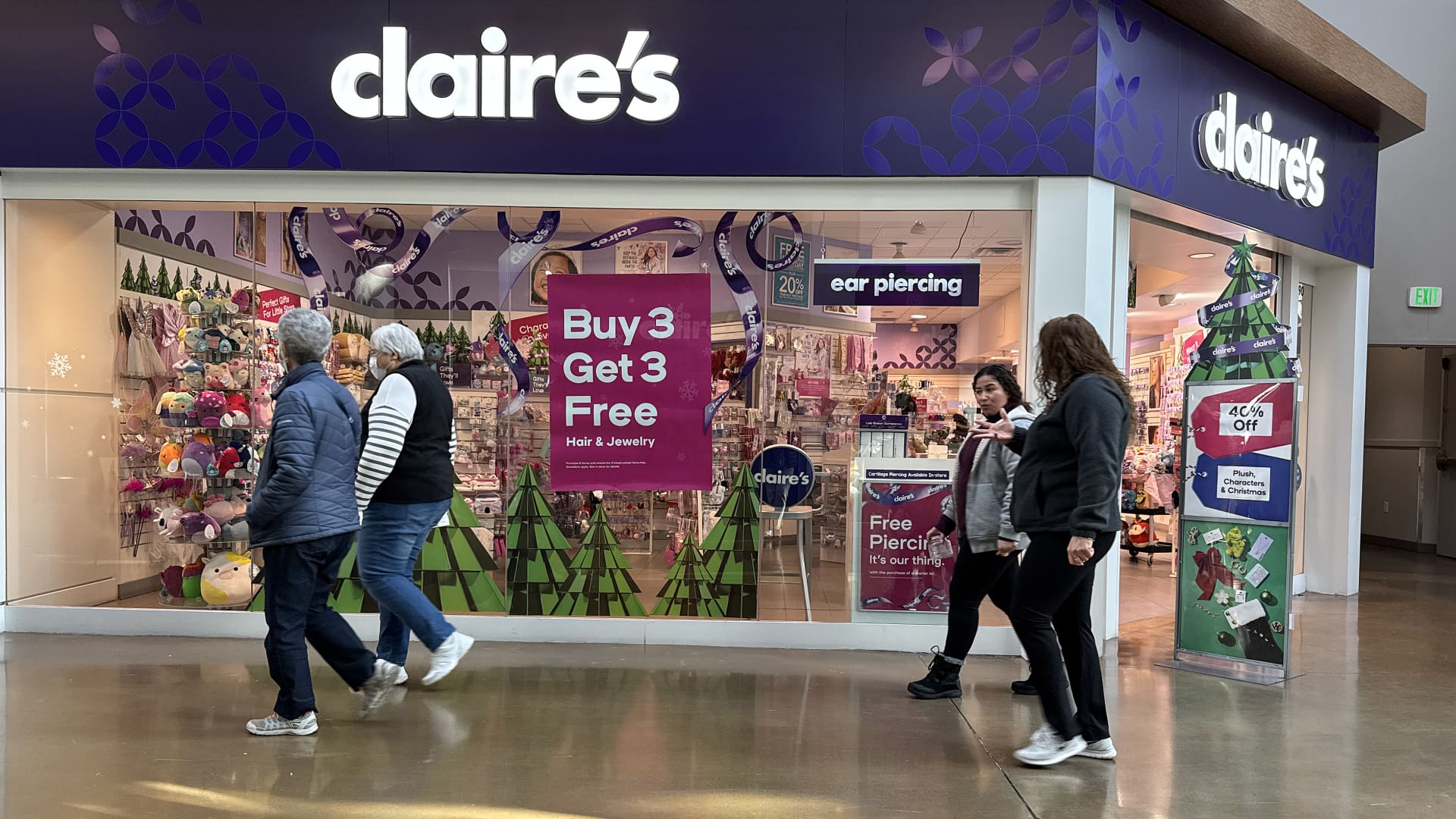
In a surprising development that has sent ripples through the retail industry, Claire’s, the well-known accessory and jewelry retailer, has filed for bankruptcy protection once again in the United States — this marks the second time in just seven years. This decision underscores increasingly challenging times faced by brick-and-mortar retail stores, especially those specializing in youth and fashion accessories, which have historically thrived on a fast-paced, trend-driven market.
The Context Behind Claire’s Bankruptcy Filing
The retail landscape has undergone drastic changes over the past decade, with e-commerce giants and shifting consumer behaviors forcing traditional stores to adapt or fade away. Despite Claire’s efforts to reinvent itself, including restructuring and attempting to modernize its offerings, ongoing financial difficulties have persisted. According to reports from The Guardian, the company’s latest filing highlights persistent challenges despite previous restructuring efforts.
Why Is Claire’s Declaring Bankruptcy Again?
Understanding the reasons behind Claire’s repeated financial struggles requires examining multiple factors influencing the retail sector:
1. Industry-Wide Decline of Physical Retail Stores
- Shift to E-commerce: Increasing consumer preference for online shopping has drastically reduced foot traffic in physical stores.
- Changing Shopping Habits: Today’s shoppers value convenience, often choosing online outlets over brick-and-mortar outlets.
- Impact of the Pandemic: COVID-19 accelerated the closure rates for many retail stores including Claire’s, which faced temporary shutdowns and reduced customer visits.
2. Economic and Market Challenges Specific to Claire’s
- High Competition: The accessory retail market is flooded with both small boutique stores and large online platforms offering similar products at competitive prices.
- Increased Operating Costs: Rising rent, wages, and supplier costs have squeezed profit margins.
- Inventory and Trend Risks: Fast-changing fashion trends pose inventory risks and lead to markdowns.
3. Strategic and Management Decisions
- Delayed Digital Transformation: Despite efforts, Claire’s lagged behind in adopting an effective omnichannel strategy.
- Store Closures and Restructuring: The company attempted multiple restructuring phases, but these measures only provided temporary relief.
- Debt Burden: Accumulated debt from previous periods hampered long-term strategic investments.
Impacts of the Bankruptcy Filing
The filing for bankruptcy protection will likely lead to:
- Store Closures: A significant reduction in the number of physical locations as part of the restructuring process.
- Restructuring of Debts: Negotiations with creditors to manage outstanding obligations.
- Focus on Core Competencies: Shifting strategic focus towards more profitable segments or online channels.
- Potential for Rebirth: If successful, bankruptcy could pave the way for a leaner, more agile Claire’s capable of adapting to modern retail demands.
What’s Next for Claire’s?
Following the bankruptcy filing, the future of Claire’s remains uncertain but potentially promising. Such legal proceedings often serve as a turning point, providing companies with the opportunity to streamline operations and innovate. Industry analysts predict that the company may:
– Focus more intensely on online sales platforms to capture the digital market.
– Close unprofitable stores and optimize remaining locations for better profitability.
– Reimagine product offerings to appeal to the current youth market, which may involve collaborations, limited editions, or eco-friendly products.
– Invest in technology to enhance the customer shopping experience, both online and offline.
What Lessons Can Retailers Learn from Claire’s Experience?
Claire’s trajectory offers valuable lessons for similar retailers:
- Adaptability Is Key: Staying ahead of market trends and embracing digital transformation is crucial.
- Financial Prudence: Managing debt and controlling costs can determine long-term survival.
- Understanding Consumer Shifts: Listening to customer preferences and shopping behaviors enables better product positioning and marketing strategies.
- Proactive Restructuring: Addressing financial difficulties early can prevent more severe consequences later.
Conclusion
Claire’s bankruptcy re-filing underscores the formidable challenges facing traditional retail chains in an increasingly digital and competitive marketplace. While the company’s future remains uncertain, bankruptcy does not necessarily spell the end. Instead, it can be an opportunity for reinvention, innovation, and renewed strategic focus. Retailers worldwide watch closely as Claire’s navigates this tumultuous phase, hoping for a comeback that aligns better with today’s consumer demands.
As the retail landscape continues to evolve rapidly, companies like Claire’s must prioritize agility, technological integration, and customer engagement to thrive. The road ahead may be difficult, but with the right strategies, a turnaround remains possible.
For more updated news please keep visiting Hourly Prime News.