

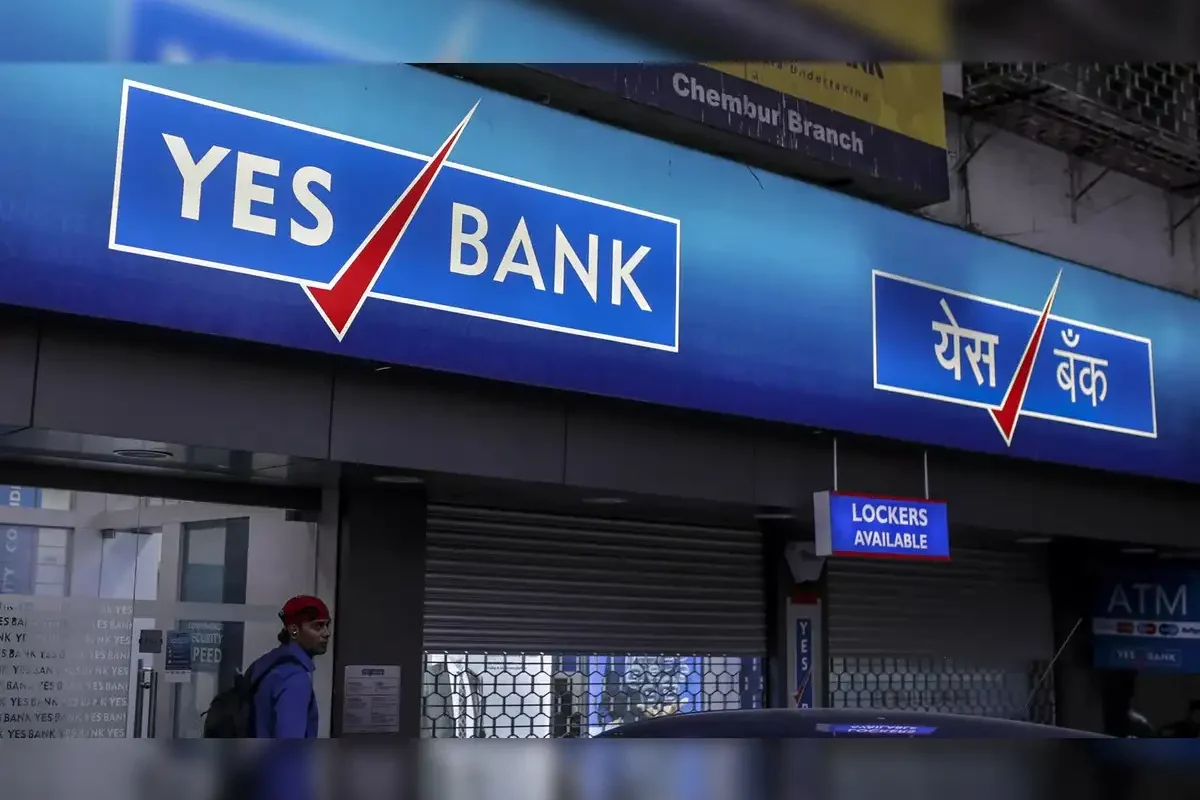
In recent weeks, investors and market analysts have been closely watching the movements of Yes Bank, one of India’s prominent private sector banks. The bank, which has faced a tumultuous financial history, is now experiencing a setback as its stock prices declined by over 4%. The primary cause behind this dip pertains to a crucial decision made by Sumitomo Mitsui Banking Corporation (SMBC)—a significant stakeholder in Yes Bank.
This article delves into the details surrounding this development, exploring the factors that led to the share price decline, the implications for Yes Bank’s future, and what this signals for investors and stakeholders alike.
Background: The Stakeholder Dynamics of Yes Bank
As of now, SMBC holds a sizable stake in Yes Bank, reflecting its strategic alliance and confidence in the bank’s long-term prospects. However, recent communications indicate that SMBC has ruled out increasing its ownership beyond the current level, citing internal policies and strategic priorities. This decision has sent ripples through the market, causing investors to reassess their positions and leading to a noticeable decline in Yes Bank’s shares.
The Key Development: SMBC’s Stake Limitations
The Official Announcement
According to a report on Moneycontrol, SMBC has explicitly stated that it will not increase its stake in Yes Bank beyond the existing threshold. This move, while aligned with internal governance standards, has been perceived by the market as a sign of limited confidence or a strategic pause, which in turn has triggered immediate negative sentiment among traders.
The decision can be attributed to several factors, such as regulatory frameworks, risk mitigation strategies, or a reassessment of the potential returns on further investment at this point in time.
Market Reaction and Share Price Impact
The immediate consequence of SMBC’s decision was a drop of over 4% in Yes Bank’s share price. This decline reflects market participants’ concerns about the bank’s growth trajectory, future capital infusion plans, and the overall confidence in its strategic partnerships.
Market analysts suggest that such a decline, while concerning in the short term, could be an opportunity for long-term investors to evaluate the bank’s fundamentals, given that the core issues faced previously are now being addressed through strategic decisions.
Implications for Yes Bank
Financial Health and Growth Prospects
- With SMBC choosing to maintain its stake at existing levels, the potential for capital infusion and support from this key stakeholder appears limited in the near term.
- This could impact the bank’s plans for expansion, technology upgrades, or loan growth initiatives that require additional funding.
- On the brighter side, this decision might encourage Yes Bank to seek alternative avenues for capital raising, such as issuing new equity or exploring partnerships with other international investors.
Strategic and Operational Outlook
- While the short-term sentiment seems bearish, the focus for Yes Bank should now shift towards strengthening its asset quality, reducing non-performing assets, and improving operational efficiency.
- In addition, maintaining transparent communication with investors and stakeholders will be essential to rebuild confidence following such market shocks.
Broader Market Context and Investor Sentiment
India’s banking sector has been navigating through a phase of consolidation and reform. The recent development with Yes Bank underscores the importance of strategic partnerships and stakeholder confidence. When a major investor like SMBC refrains from increasing its stake, it could be interpreted as a cautious stance amid global economic uncertainties or domestic regulatory pressures.
For investors, this scenario emphasizes the need for a balanced approach—considering not only short-term market reactions but also the long-term fundamentals of the bank. Factors such as asset quality, governance, and strategic initiatives should form the core of investment decisions.
Future Outlook and Recommendations
Although the current decline might seem disconcerting, it highlights opportunities to reevaluate Yes Bank’s valuation and fundamentals. Investors should monitor:
- Any new capital infusion plans or strategic partnerships that may emerge.
- The bank’s progress on restructuring its balance sheet and improving asset quality.
- Regulatory developments that could influence stakeholder engagement and ownership limits.
In the coming months, if Yes Bank manages to stabilize its operations and reassure investors of its growth prospects, the share prices could recover and even surpass previous levels. Conversely, persistent uncertainty or absence of strategic support might prolong volatility.
Conclusion
The recent drop in Yes Bank’s shares by over 4% in response to SMBC’s decision not to increase its stake is a significant market event that underscores the delicate balance of investor confidence and strategic partnerships in the banking industry. While short-term pressures exist, the long-term outlook will depend on Yes Bank’s ability to adapt, strategize, and communicate effectively with the market.
As the bank continues its journey of restructuring and growth, stakeholders must stay informed and vigilant to navigate the dynamic landscape of India’s banking sector.
For more updated news please keep visiting Hourly Prime News.