

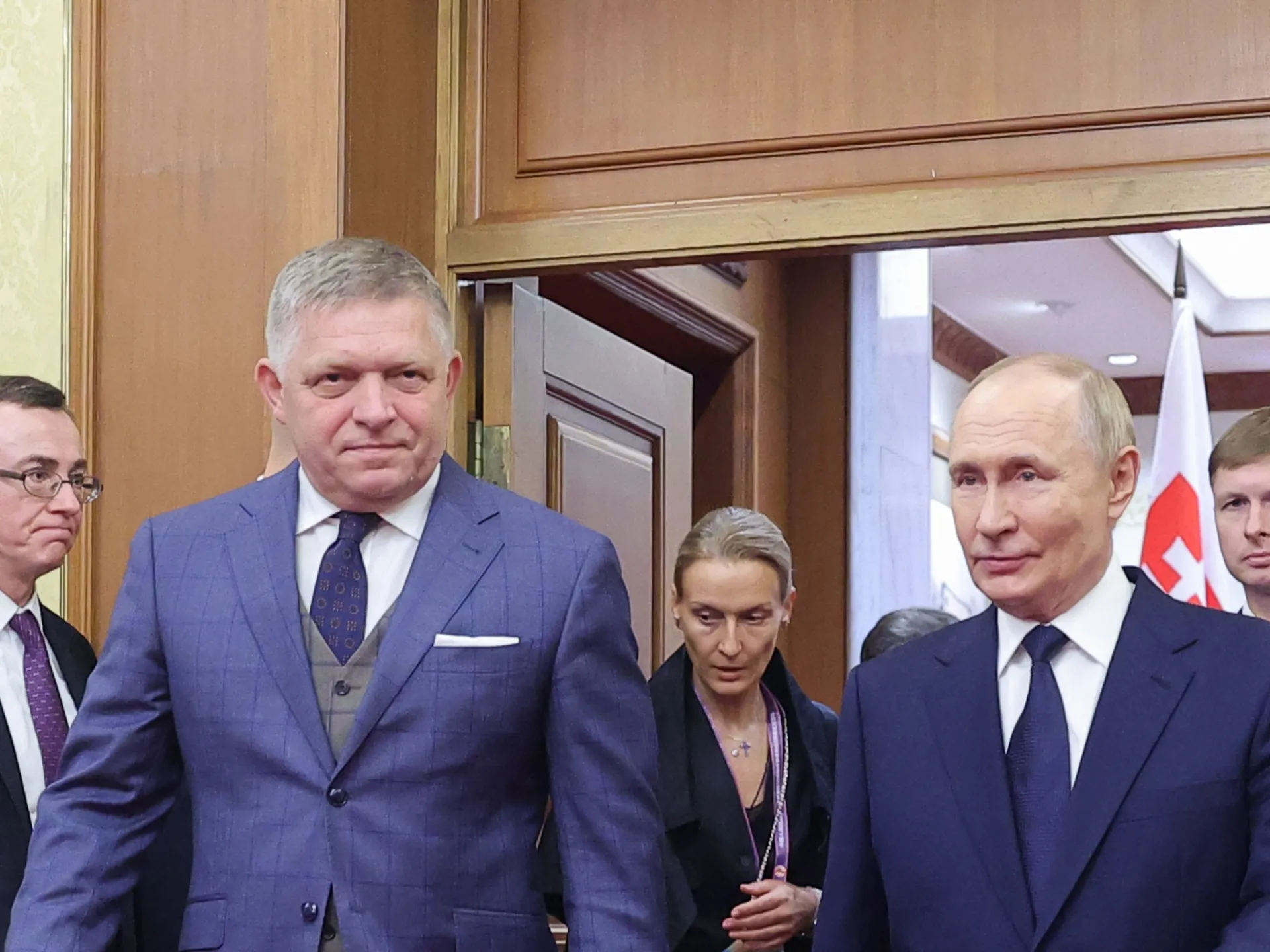
The recent high-profile event in Beijing, where President Xi Jinping welcomed Vladimir Putin and Kim Jong Un during a grand military parade, has sparked international attention and intensified geopolitical tensions. This gathering of key leaders from Russia and North Korea amidst the backdrop of rising US-security concerns underscores a shifting global power dynamic and rekindles debates on the evolving alliances and strategic military displays.
The Significance of the Beijing Parade
The China-led military parade, often seen as a demonstration of strength and unity, was not merely a display of military hardware but also a political message to the world. Hosting both Putin and Kim in such a grand setting signaled Xi Jinping’s intent to forge stronger ties with strategic allies, especially in the face of mounting US-led pressures and sanctions.
While the parade included showcase of advanced missile systems, fighter jets, and naval vessels, its underlying message was clear: China’s ambition to assert itself as a major global military power, and to present an image of stability and resilience amid international uncertainties.
Implications for Global Security and US Dynamics
Rising Tensions and the US Response
As Xi’s hosting of Putin and Kim drew global scrutiny, reactions from the United States were notably intense. Former President Donald Trump expressed discontent, claiming that the parade and the gathering were indicative of a ‘conspiracy against the US’. According to reports, Trump condemned China’s display, suggesting it was part of a broader strategy to challenge US dominance on the world stage.
Simultaneously, US officials have been vocal about their concerns regarding these alliances. The parade showcased China’s growing military prowess, which many analysts interpret as an attempt to project power and challenge US-led security arrangements, particularly in the Indo-Pacific region. The display of missile technology and naval strength poses a question: Will this lead to a new arms race, or will it push the US to realign its strategies to counterbalance China’s expanding influence?
Strategic Alliances and the Russia-North Korea Link
Putin’s presence at the parade underscores Russia’s ongoing strategic partnership with China. It signifies a shared stance against Western influence, especially considering the ongoing conflict in Ukraine and Russia’s desire to demonstrate resilience and international solidarity.
Kim Jong Un’s participation further complicates the security matrix, as North Korea seeks to bolster its geopolitical standing amidst economic sanctions and diplomatic isolation. The parade’s ICBMs and missile systems serve as a message that despite sanctions, North Korea remains a formidable force capable of deterrence.
Global Reactions and Future Prospects
- International observers viewed the parade as a reflection of China’s aspirations to challenge the current world order, emphasizing the importance of understanding China’s strategic narratives.
- Western countries expressed concern about escalating military capabilities and the potential for regional arms surges.
- Analysts warn that the display may deepen existing tensions, urging diplomatic engagement to prevent a spiraling arms race.
The Broader Context: US-China Rivalry and Global Power Shifts
The parade took place during a time of heightened US-China rivalry, with major diplomatic disputes over trade, technology, and military influence. The display of military strength by China, coupled with its alliance-building efforts, indicates a clear strategic stance: to contest US supremacy and establish a multipolar world order where China significantly influences global affairs.
Meanwhile, US policymakers have been vocal about their stance, with some dismissing China’s show of force as ‘posturing’. According to BBC reports, former President Trump rejected the narrative that China poses a serious challenge, viewing the US as capable of countering China’s ambitions. Yet, experts caution that the rapid militarization and alliance comings together indicate a more complex and competitive landscape.
Conclusion: What Lies Ahead?
The hosting of Putin and Kim at Beijing’s grand military parade is more than a ceremonial display; it symbolizes a strategic realignment and a challenge to US influence globally. While some see it as China consolidating its power, others worry about the risk of increased military confrontation. Moving forward, diplomatic engagement remains crucial to manage these rising tensions and prevent escalation into open conflict.
As the world witnesses these developments, the importance of understanding the underlying motives behind such displays cannot be overstated. The event underscores the evolving geopolitics, where alliances are tested and the balance of power continues to shift.
In this complex landscape, the role of diplomatic dialogue, strategic stability, and international cooperation will determine whether these military displays translate into peaceful progress or escalate into broader conflicts.
For more updated news please keep visiting Hourly Prime News.