

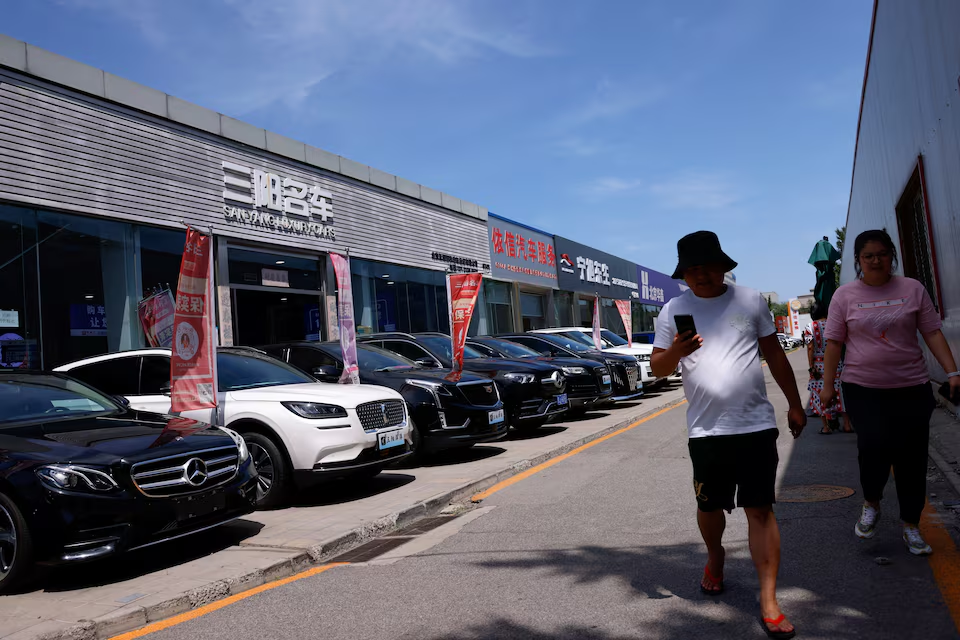
In recent years, the automotive industry worldwide has experienced a surge in the popularity of used cars, especially those labeled as zero-mileage used cars. These vehicles are often brand new in appearance and have driven very few, if any, kilometers. However, despite their seemingly pristine condition, the sale and purchase of zero-mileage used cars have sparked controversy and regulatory scrutiny, particularly in China. The Chinese government is now planning to implement a ban on the sale of these vehicles, aiming to improve the overall quality and safety standards of automobiles on its roads.
Understanding Zero-Mileage Used Cars
What Are Zero-Mileage Used Cars?
Zero-mileage used cars are vehicles sold as used but with minimal or no mileage on the odometer. They are often marketed as “new” or “like-new” despite being technically classified as used cars. These vehicles might be:
- Cars that have been used for test drives but never registered for personal ownership.
- Vehicles that have been used in promotional events or as display models.
- Cars that have undergone minor repairs or updates but remain essentially new in condition.
Such vehicles appeal to consumers seeking the appearance and quality of new cars but at a lower price point. The allure is their seemingly untouched condition, giving buyers confidence in their purchase. However, behind this attractive facade lies a complex issue concerning quality assurance and regulatory standards.
Why Is China Planning to Ban Zero-Mileage Used Cars?
Concerns About Vehicle Quality and Trustworthiness
China’s automotive market has burgeoned over the past decade, becoming the world’s largest car market. With this growth, issues related to the quality and reliability of vehicles have also surfaced. The primary concern with zero-mileage used cars is that their marked “unused” condition can be manipulated to mislead consumers and evade regulatory standards.
Many counterfeit or sub-standard vehicles are passed off as zero-mileage or new, which undermines consumer trust and safety. These cars might have hidden defects, poorly maintained components, or other issues that are difficult to detect during superficial inspections. The risk is that such vehicles could compromise road safety and lead to increased accidents or vehicle failures.
Protection of Consumer Rights and Ensuring Vehicle Safety
The Chinese government aims to regulate the automotive market lest consumers fall prey to unscrupulous practices. By banning the sale of zero-mileage used cars, authorities hope to:
- Protect consumers from deceptive marketing tactics.
- Ensure that vehicles on the road meet strict quality and safety standards.
- Reduce the prevalence of counterfeit and sub-standard cars entering the market.
Combatting Fraudulent Practices in the Automotive Trade
Many dishonest sellers artificially inflate the value of used cars by labeling them as zero-mileage or nearly new, often with fabricated documentation. Such activities distort market fairness and can lead to a rise in insurance fraud, car theft, and resale scams. The ban is seen as a move to curb these practices and foster a more transparent, trustworthy automotive ecosystem.
Implications of the Ban on the Automotive Market
Transition Towards Genuine Used Cars and Certification Systems
Instead of focusing on zero-mileage used cars, China is positioning itself to develop stringent certification systems for used vehicles. This involves comprehensive inspections, standardized reporting, and tracking of vehicle history to ensure quality. Buyers can thus feel confident in purchasing certified used cars that have undergone rigorous checks.
Boosting Genuine Car Ownership and Market Integrity
By discouraging artificially manipulated zero-mileage vehicles, the move encourages consumers to purchase cars based on genuine quality and reliability. This shift can also stimulate the growth of authorized used-car dealerships, which adhere to safety and quality standards, fostering a healthier automotive economy.
Encouraging Innovation in Vehicle Manufacturing and Maintenance
Manufacturers are incentivized to produce durable, high-quality vehicles and maintain high standards in vehicle upkeep. It also encourages the development of digital vehicle history records, blockchain-based tracking, and other technologies that promote transparency and consumer confidence.
Potential Challenges and Industry Response
Disruption to the Used Car Market
The ban may temporarily disrupt the market supply, especially for those involved in trading nearly new vehicles. Sellers and traders who rely heavily on zero-mileage vehicles will need to adapt their operations, possibly shifting toward more authentic and transparent sales practices.
Ensuring Fair Implementation and Consumer Awareness
For the ban to be effective, consumer education is vital. People need to understand the differences between genuine used cars and manipulated zero-mileage listings. Authorities should also enforce strict penalties on fraudulent practices to deter abuse of the system.
Industry Innovation and Compliance
Car manufacturers and dealerships may need to invest in certification programs, vehicle history databases, and inspection procedures to comply with forthcoming regulations. This could involve initial costs but will ultimately lead to a more sustainable and trustworthy automotive industry.
Conclusion
The Chinese government’s plan to ban zero-mileage used cars signifies a strategic move towards enhancing vehicle quality, consumer protection, and market transparency. While the immediate impact might pose some challenges for traders and sellers, the ultimate goal is to establish a fair, safe, and reliable automotive environment. This initiative highlights China’s commitment to improving its vehicle standards and safeguarding its citizens’ interests.
As China continues to refine its automotive policies, the emphasis will likely shift towards genuine quality assurance, technological innovations, and regulatory oversight. Consumers can look forward to a more transparent and trustworthy used car market, fostering long-term sustainability and safety on Chinese roads.
For more updated news please keep visiting Hourly Prime News.