

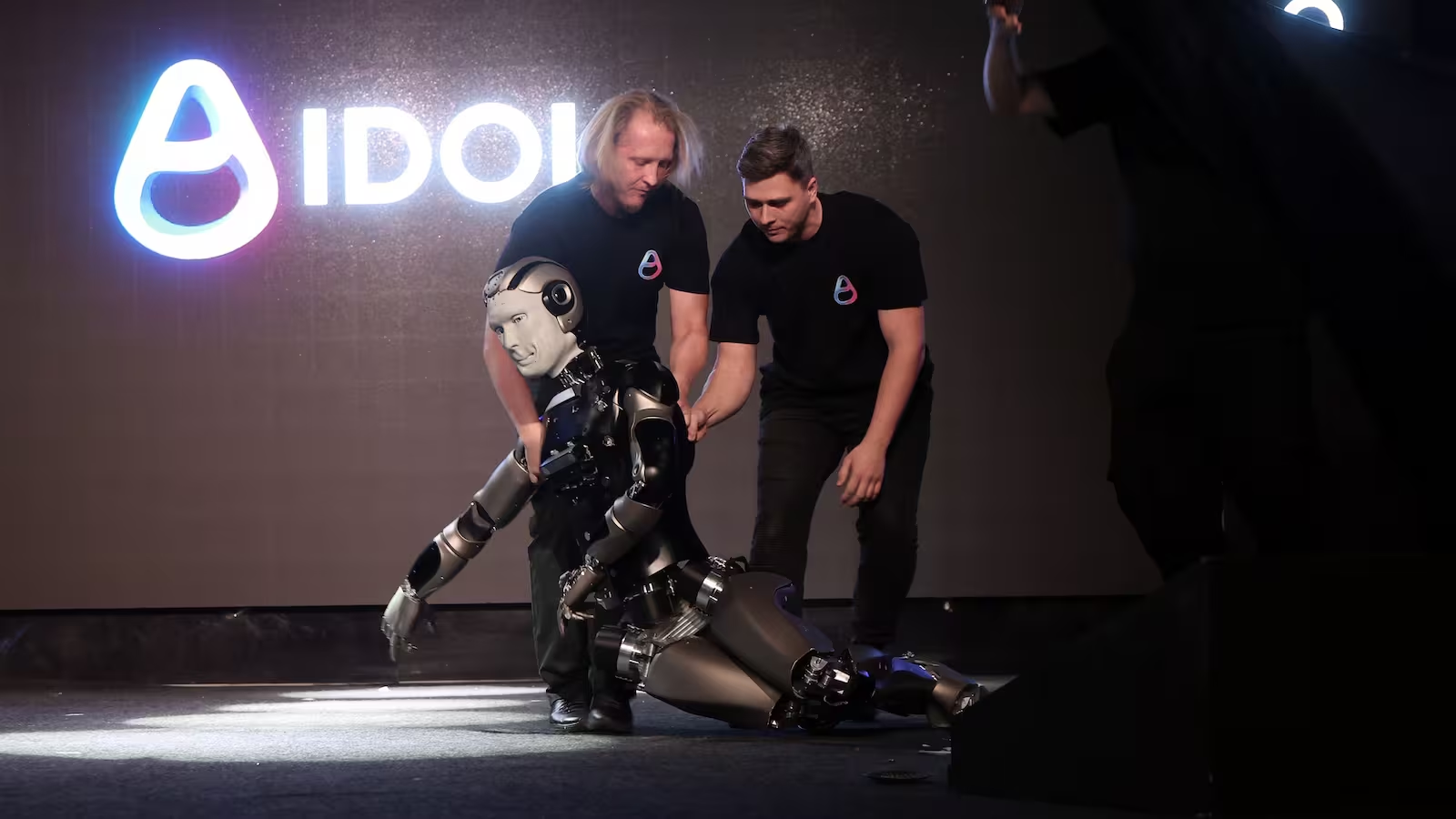
The field of robotics is rapidly transforming, blending advanced artificial intelligence (AI), machine learning, and mechanical engineering to create machines that can perform complex tasks traditionally handled by humans. As countries invest heavily in robotics research, notable incidents—such as Russia’s humanoid robot fall—offer crucial insights into the current state and future trajectory of this technology. While setbacks like these may seem setbacks, they serve as valuable learning points, highlighting both the technological challenges and the emerging potential of humanoid robotics.
India, meanwhile, is positioning itself as a significant player in this arena. With a burgeoning tech industry, growing AI capabilities, and increasing investment in innovation, India is poised to shape the future of robotics, even as global giants like Russia, the US, and China forge ahead. Understanding Russia’s recent robot mishap and where India stands enables us to grasp the broader picture of global robotics development.
The Russian Humanoid Robot Incident: A Reflection of Technological Realities
Recently, Russia’s humanoid robot faced a notable stumble during its public demonstration. As reported by News18,) this incident underscores some fundamental challenges faced by humanoid robots, especially when deployed in real-world scenarios.
**Key learnings from this incident include:**
– **Technical fragility:** Despite sophisticated programming, humanoid robots are still prone to balance issues, sensor errors, and unexpected failures.
– **Complexity of human-like movement:** Mimicking natural human movement and reaction remains a significant challenge.
– **Testing and safety protocols:** It highlights the importance of rigorous testing, safety measures, and contingency plans in robotics demonstrations.
– **This stumble serves as a reminder** that despite impressive progress, robotic systems are still very much works-in-progress. Failures are part of the learning process, and each stumble brings valuable data to improve future iterations.
What the Fall Tells Us About the Future of Robotics
The fall of a humanoid robot in a public setting is not just a glitch; it’s emblematic of the broader developmental hurdles in robotics technology. Yet, it also indicates the resilience and continuous innovation in the field. Here are some implications for the future:
**Resilience and Learning:** Mistakes and failures are intrinsic to technological advancement. As robotics engineers analyze these incidents, innovations accelerate, leading to more robust and adaptable machines.
**Need for Enhanced AI Integration:** Successful humanoid robots will require better integration of AI for perception, decision-making, and balance management. Advances in AI will make these robots more autonomous and capable of handling unpredictable environments.
**Incremental Progress:** Far from being insurmountable, setbacks like these catalyze incremental improvements. Development is iterative, with each fall providing insights for design refinements.
**Public Acceptance and Trust:** High-profile failures can impact public perception; however, transparency and continuous improvement can build trust in robotics technology.
**Global Race in Robotics:** Countries like Russia, the US, Japan, and China are investing heavily, emphasizing the importance of leadership in robotics innovation. Failures, while setbacks, also serve as milestones in this global race.
India’s Current Position in Robotics Development
India has traditionally lagged behind the leading nations in robotics. However, in recent years, the country has accelerated its efforts to catch up through multiple initiatives:
– **Growing AI Sector:** With startups and established firms working on AI-driven solutions, India is creating an ecosystem conducive to robotics development.
– **Government Initiatives:** Programs like ‘Make in India’ and digital transformation strategies aim to promote manufacturing and innovation, including robotics.
– **Educational and Research Institutions:** Universities and research centers are increasingly focusing on robotics, bringing fresh talent and new ideas.
– **Industry Adoption:** Sectors like agriculture, healthcare, manufacturing, and defense are exploring robotic solutions to optimize operations.
Despite these strides, challenges remain—especially in terms of infrastructure, investment, and R&D ecosystem maturity. Nevertheless, the foundation is there for India to become a significant player.
What India Can Learn from the Russian Humanoid Robot Mishap
India’s robotics community can glean several lessons from the Russian incident:
- Emphasize Robust Testing: Thorough testing under various scenarios is paramount to ensure safety and reliability.
- Focus on Design Improvements: Innovate to enhance balance, sensor accuracy, and adaptive responses.
- Invest in AI and Machine Learning: Developing smarter algorithms will make robots more autonomous and less prone to failures.
- Promote Collaboration: Partner with global leaders in robotics for knowledge exchange and technology sharing.
- Public Engagement: Educate the public and policymakers about the iterative nature of robotics development to foster support and realistic expectations.
Such proactive measures will help India develop more reliable humanoid robots and position itself as a formidable player in the global robotics arena.
The Broader Implications for the Future of Robotics
The incident highlights a universal truth: robotics is a field characterized by rapid, sometimes unpredictable, progress. The journey from lab prototypes to real-world applications is fraught with challenges; failures are a natural part of this evolution. Future innovations will likely include:
– **Emotionally intelligent robots:** Capable of understanding and responding to human emotions.
– **Collaborative robots (cobots):** Working alongside humans safely in factories, homes, and public settings.
– **Autonomous transport and delivery systems:** Reducing human error and increasing efficiency.
– **Robotics in healthcare:** Assisting with surgeries, patient care, and rehabilitation significantly improving quality of life.
India’s unique demographic, technological, and economic landscape presents opportunities to contribute meaningfully to these areas, especially through cost-effective solutions and innovative applications suited to local needs.
Conclusion: Embracing the Learning Curve
The fall of Russia’s humanoid robot, while momentarily embarrassing, exemplifies the ongoing learning curve of robotics technology. Each setback propels innovation, bringing us closer to highly capable, safe, and reliable robots that can serve humanity.
India’s position in this evolving landscape is promising but requires strategic focus, investment, and collaboration. By learning from global incidents and proactively addressing current limitations, India can accelerate its robotics journey and play a pivotal role in shaping the future.
As the world watches and learns from every stumble and success, the ultimate goal remains clear: to harness robotics for societal benefit, economic growth, and technological leadership.
Final Thoughts
The path toward advanced humanoid robots is complex yet exhilarating. Failures are not the end but stepping stones toward excellence. For India, this is an opportunity to build a resilient ecosystem, foster innovation, and emerge as a future leader in robotics technology, contributing solutions tailored to its unique challenges and opportunities.
For more updated news please keep visiting Hourly Prime News.