

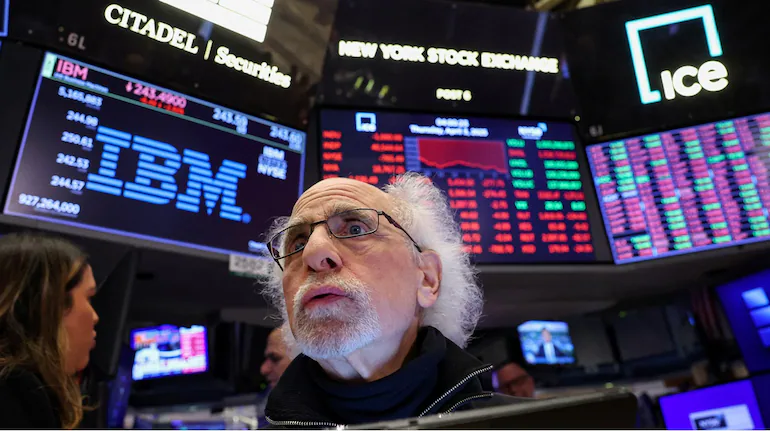
The financial markets experienced a notable dip as futures on Wall Street showed signs of decline, primarily driven by growing uncertainty surrounding US trade policies and tariff negotiations. Investors remain cautious as they await further clarity from policymakers on the pace and scope of tariffs that could impact global trade and economic stability. This hesitancy has led to subdued trading volumes and a cautious outlook among traders and market analysts alike.
Understanding the Current Market Sentiment
Market Anticipation and Investor Anxiety
Wall Street futures’ decline reflects a broader sense of unease within the investment community. While equities had previously rebounded from recent lows, the looming questions about tariffs have cast a shadow over optimism. Market participants are closely monitoring government statements and geopolitical developments that could influence tariff policies, especially as negotiations between major economic powers remain tense and unpredictable.
Many investors fear that aggressive tariff implementations or sudden policy shifts could disrupt supply chains, increase costs for consumers and businesses, and slow down economic growth. This climate of uncertainty often leads to market hesitations, as traders prefer to wait for more tangible signals before committing significant capital.
The Impact of Tariff Uncertainty on Global Markets
Trade Tensions and Their Rippling Effects
- Supply Chain Disruptions: Tariffs can increase costs for imported goods, leading to inflationary pressures and supply chain delays.
- Business Investment: Companies often become cautious with expansion plans, waiting for clarity on trade policies, which can choke off economic momentum.
- Global Trade Dynamics: Uncertain tariff policies can lead to shifts in trade alliances, retaliatory measures, and changes in international supply routes.
These factors collectively contribute to volatile financial markets. Investors are particularly concerned about the potential for a trade war escalation, which could have lasting repercussions on economic growth rates across various sectors.
Recent Developments and Market Reactions
News That Keeps the Market on Edge
According to recent reports, market participants are on high alert as government officials hint at the possibility of new tariffs or adjustments to existing ones. The Wall St futures slip as markets await clarity on tariffs from Mint, outlines the prevailing market anxiety fueled by the tariff situation.
Expert Opinions and Future Outlook
Analysts’ Perspectives
Many financial experts believe that the current decline in futures markets is a temporary reaction driven by uncertainty. Historically, markets tend to rebound once political and trade clarity emerges. However, some warn that prolonged diplomatic impasses could lead to more significant corrections, especially if tariffs result in a global slowdown.
Economists suggest that policymakers need to communicate their intentions clearly to restore investor confidence. A well-defined roadmap for tariff implementation or resolution could stabilize markets and pave the way for a rebound.
Potential Scenarios and Market Strategies
What Could Happen Next?
- Positive Resolution: If negotiators reach an agreement, markets are likely to surge, recognizing the easing of trade tensions.
- Prolonged Dispute: Continued uncertainty could lead to sustained declines and increased volatility, prompting investors to adopt safer assets.
- Escalation of Tariffs: If tariffs are increased or new ones introduced, the global economy may face headwinds, affecting corporate earnings and consumer confidence.
Investor Strategies
In times of such uncertainty, diversification becomes key. Investors might consider shifting towards defensive sectors like utilities, healthcare, or consumer staples. Additionally, keeping a close eye on geopolitical developments and central bank policies can help in making informed decisions.
Conclusion: Navigating Uncertain Waters
The decline in Wall Street futures underscores the delicate balance traders are trying to maintain amidst unpredictable trade policies. While short-term setbacks are common during turbulent times, a clear pathway forward on tariffs could restore confidence and stabilize markets. Investors are advised to stay informed, remain patient, and avoid impulsive decisions until the bigger picture unfolds.
Ultimately, market resilience depends on the resolution of trade tensions and the degree of clarity provided by policymakers. As the global economy continues to grapple with these uncertainties, prudent investing and vigilant monitoring remain essential.
For more updated news please keep visiting Hourly Prime News.