

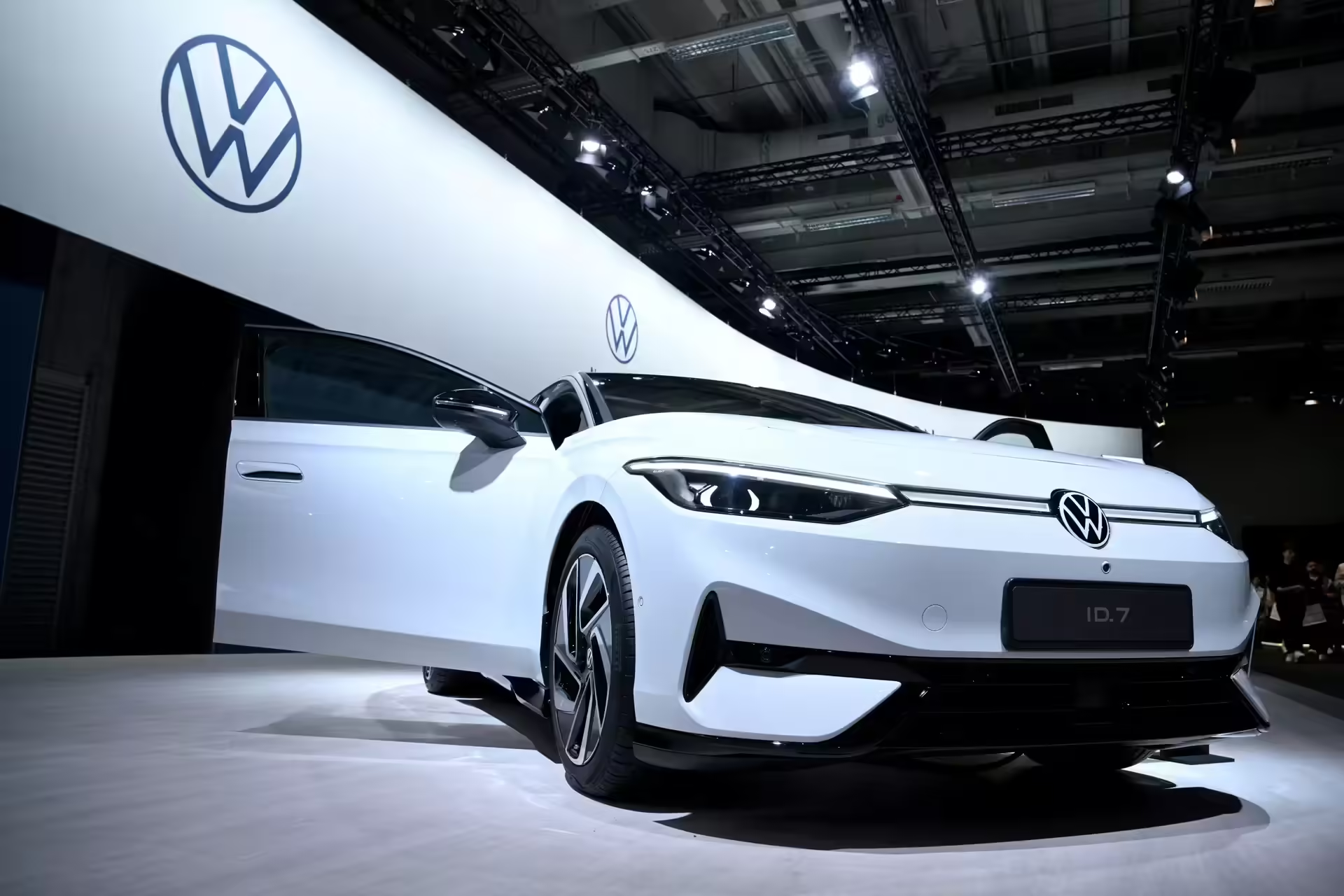
In recent years, China has emerged as a pivotal hub for automobile manufacturing and exports. Among the major global players, Volkswagen (VW) has identified China not only as a significant market but also as a crucial production and export base. As part of its strategic expansion, VW is now intensifying efforts to elevate its car exports from China to various international markets, aiming to enhance its global footprint and meet rising demand for quality automobiles worldwide.
Understanding VW’s Strategic Shift Toward China
Volkswagen, renowned for its extensive global presence and innovative vehicle lineup, recognized early the potential of the Chinese automobile industry. China’s growing middle class, urbanization, and increasing demand for high-quality, eco-friendly vehicles have prompted VW to establish a substantial manufacturing footprint within the country. Today, China is not just a domestic market for VW but also a vital export base that can leverage China’s manufacturing capabilities and cost advantages.
With production facilities in multiple cities, VW benefits from local expertise, cost efficiencies, and the capability to adapt quickly to global market needs. This strategic positioning allows VW to produce a diverse range of vehicles—from compact city cars to SUVs—specifically tailored for various international markets, including developing economies and regions with emerging demand for vehicles.
Factors Driving the Increase in Chinese Car Exports
1. China’s Robust Manufacturing Ecosystem
China boasts a mature automotive supply chain and manufacturing infrastructure that enables the mass production of vehicles at competitive prices. Volkswagen’s partnership with local suppliers and its investments in cutting-edge technology have facilitated the efficient assembly of vehicles that meet international quality standards.
2. Cost Advantages and Competitive Pricing
Lower production costs in China allow VW to price its exported vehicles competitively, especially in regions where affordability is a key market driver. This strategic price positioning has opened avenues for VW to penetrate markets traditionally dominated by local manufacturers or other global brands.
3. Growing International Demand
Emerging markets, including Southeast Asia, Africa, and parts of Latin America, are experiencing a surge in demand for reliable, affordable vehicles. VW’s Chinese exports position the company to capitalize on these trends by offering vehicles that combine quality with affordability.
Global Markets and VW’s Export Strategy
Volkswagen aims to expand its export volume significantly, targeting markets where it sees the potential for growth. This includes:
- Southeast Asia: Countries like Indonesia, Thailand, and Vietnam are witnessing increased auto sales. VW plans to introduce more models from its Chinese manufacturing units tailored to regional preferences.
- Africa and the Middle East: Rapid urbanization and infrastructure development are driving demand, providing opportunities for VW’s export-oriented production from China.
- Latin America: Countries such as Brazil and Argentina are crucial markets where VW intends to strengthen its position with competitively priced vehicles sourced from China.
Challenges and Considerations
While expanding exports from China presents promising opportunities, VW is also mindful of potential challenges:
- Trade Policies and Tariffs: Fluctuations in international trade agreements or tariffs could impact margins and pricing strategies.
- Regulatory Compliance: Ensuring vehicles meet diverse regulatory standards in different countries requires adaptability and compliance rigor.
- Logistical Complexities: Managing a global supply chain to deliver vehicles efficiently and cost-effectively demands meticulous planning and coordination.
The Future of Volkswagen’s Chinese Export Initiative
Looking ahead, VW envisions a multipronged approach to boost its global export capacity from China:
- Expanding Production Capacities: Increasing manufacturing capacities and investing in new facilities to elevate export volumes.
- Localizing Vehicle Designs: Developing models tailored for specific regional markets while maintaining global quality standards.
- Enhancing Sustainability: Incorporating eco-friendly technologies such as electric vehicles (EVs) and hybrid systems in exported models to meet environmental standards and consumer preferences worldwide.
- Strengthening Global Partnerships: Collaborating with local distributors, logistics providers, and government bodies to streamline export channels and market penetration.
Conclusion
Volkswagen’s strategic focus on increasing exports from China underscores the country’s rising importance in the global automotive landscape. By leveraging China’s manufacturing prowess and competitive advantages, VW aims to fulfill the growing global demand for reliable, affordable, and innovative vehicles. This initiative not only amplifies VW’s international presence but also signals a broader shift within the auto industry toward China as a key export hub.
As the company continues to navigate challenges and seize new opportunities, its success in expanding car exports from China will significantly influence its overall global performance and sustainability goals in the coming years.
For more updated news please keep visiting Hourly Prime News.