

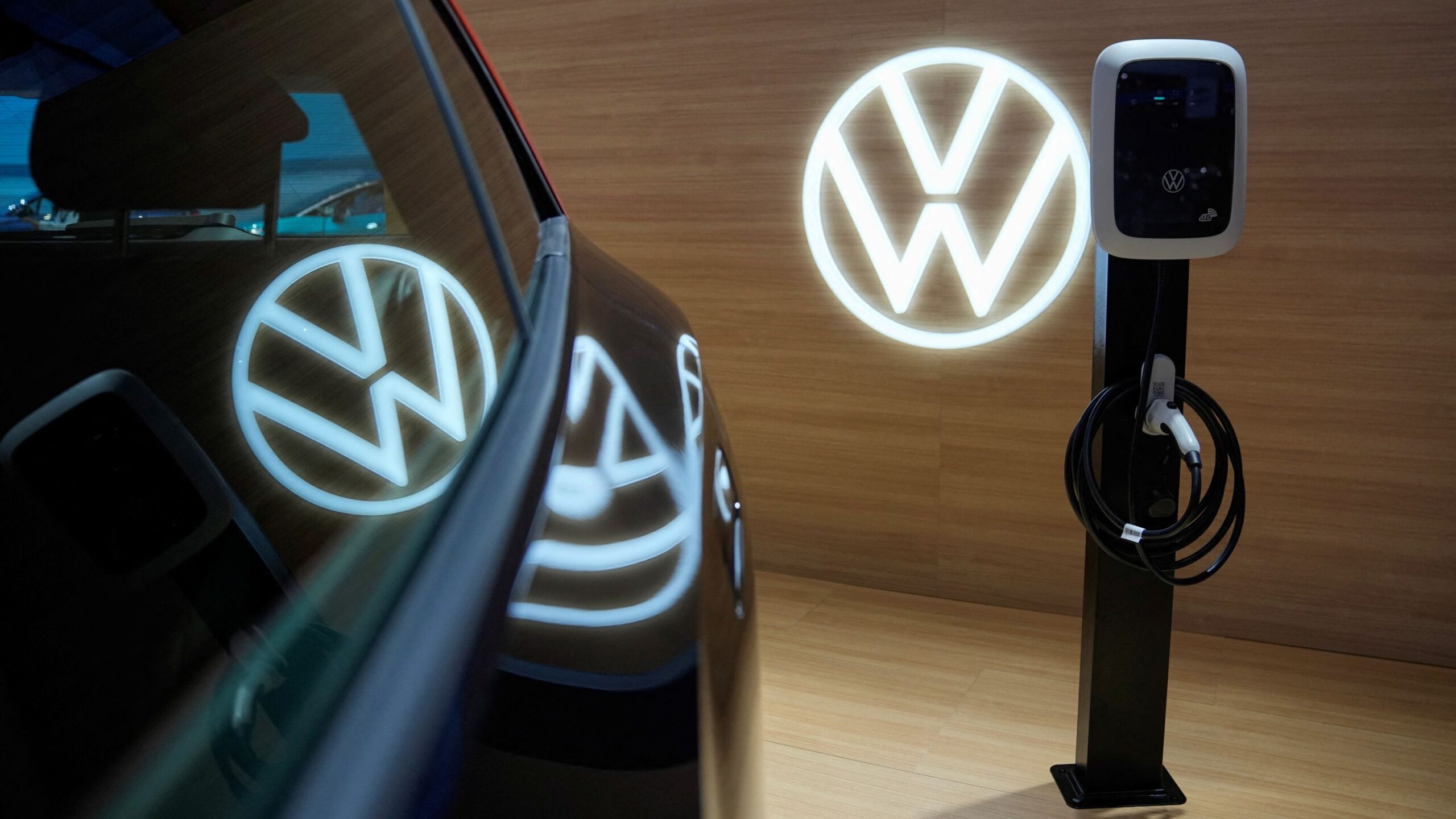
In a move that demonstrates the increasing importance of strategic partnerships in the global automotive industry, Volkswagen is collaborating with XPeng to strengthen its technological foothold in China. As the world’s largest automotive market evolves rapidly, traditional automakers like Volkswagen are adopting innovative approaches to stay competitive and relevant. This alliance aims to leverage XPeng’s expertise in electric vehicle (EV) technology and smart mobility solutions, ultimately enhancing Volkswagen’s offerings in the highly competitive Chinese market.
Context and Strategic Significance
The Chinese automotive landscape has experienced unprecedented growth over the past decade, driven mainly by the surge in electric vehicle adoption. Government policies favoring green transportation, along with consumer preferences shifting towards smart, eco-friendly cars, have made China a hotspot for EV innovation and expansion. European automakers, including Volkswagen, recognize the critical importance of having a robust presence in this market.
Historically, Volkswagen had entered China through joint ventures, establishing a significant local presence. However, to keep pace with nimble native competitors and tech-driven startups, the German automaker recognizes the need to innovate swiftly and incorporate cutting-edge technologies. Partnering with XPeng, a leading Chinese electric vehicle startup known for its smart driving and connectivity solutions, is a strategic move designed to accelerate Volkswagen’s electric and digital transformation in China.
Details of the Partnership
Bridging Technologies and Innovation
The collaboration will focus on integrating XPeng’s advanced electric vehicle platforms and smart features into Volkswagen’s vehicle lineup. This includes:
- Electric Powertrain Technology: Enhancing battery management systems and power efficiency
- Smart Connectivity: Developing vehicle connectivity solutions that offer seamless integration with digital ecosystems
- Autonomous Driving: Leveraging XPeng’s expertise in autonomous driving aids and driver-assistance systems
- Software Development: Co-creating intuitive user interfaces and AI-driven features for enhanced driving experience
Such developments are anticipated to accelerate Volkswagen’s push into smart EVs, making their offerings more appealing to tech-savvy Chinese consumers.
Joint Ventures and Future Outlook
The partnership will likely involve joint ventures or collaborative R&D centers focused on developing innovations tailored for the Chinese market. By working together, both companies aim to:
- Accelerate time-to-market for new EV models
- Upgrade existing models with smarter features
- Enhance local supply chain collaboration
- Build a competitive edge against local e-mobility giants like BYD, NIO, and XPeng itself
Moreover, this alliance underscores Volkswagen’s broader strategy to transition towards electric mobility globally, with a specific focus on aligning innovative Chinese tech companies’ knowledge and capabilities to its advantage.
Impacts on the Chinese Market
Meeting Consumer Expectations
Chinese consumers are increasingly demanding cars that are not merely transportation devices but integrated digital platforms offering connectivity, entertainment, and autonomous features. Volkswagen aims to meet these expectations by embedding advanced tech derived from XPeng’s expertise into their vehicles. This will allow consumers to enjoy functionalities like:
- Smart navigation
- Intelligent voice control
- Personalized user profiles
- Over-the-air (OTA) software updates
- Enhanced safety features, including autonomous maneuvering capabilities
Strengthening Competitive Position
By partnering with a local tech champion like XPeng, Volkswagen hopes to regain or solidify its market share in China’s EV segment. Local consumers tend to favor brands that exhibit innovation, digital connectivity, and adaptability to new mobility trends. The partnership enables Volkswagen to:
- Gain access to XPeng’s proprietary software and hardware solutions
- Reduce the time and cost associated with developing new intelligent vehicle features
- Offer competitive pricing while embedding state-of-the-art technology
The Broader Industry Repercussions
Volkswagen’s alliance with XPeng is not just a tactical move but a signal of a broader industry trend: traditional automakers partnering with native tech firms to accelerate innovation. As EV and autonomous driving technologies mature, such collaborations are becoming essential to stay ahead of the curve.
This trend also fosters an environment where automotive and tech industries increasingly blur, emphasizing software, AI, and connectivity as core components of mobility. The importance of agility, local insights, and technological expertise is evident as global giants realign strategies for a smarter, cleaner future.
Challenges and Opportunities
Challenges
- Integration complexities: Merging different organizational cultures and technological standards
- Regulatory hurdles: Navigating local policies, safety standards, and intellectual property concerns
- Market competition: Facing fierce rivalry from established Chinese EV brands and other global players
Opportunities
- Market leadership: Positioning as an innovative brand embracing smart mobility
- Technology exclusivity: Developing proprietary features that distinguish Volkswagen’s EV lineup
- Customer loyalty: Building a reputation for high-tech, safe, and eco-friendly vehicles tailored for Chinese preferences
Conclusion
The partnership between Volkswagen and XPeng exemplifies how traditional automakers are adapting to the fast-changing landscape of the Chinese electric vehicle market. By leveraging local tech expertise, Volkswagen is aiming to not only bolster its technological edge but also to better serve a new generation of consumers interested in connectivity, autonomous capabilities, and eco-friendly mobility solutions. As both companies work together, their collaborative efforts are expected to result in innovative vehicles that set new standards in the Chinese EV industry.
This alliance highlights a future where automotive innovation is increasingly driven by strategic partnerships, blending traditional manufacturing excellence with cutting-edge digital technology. Such collaborations are crucial in shaping the next era of mobility—more intelligent, sustainable, and digitally integrated than ever before.
For more updated news please keep visiting Hourly Prime News.