

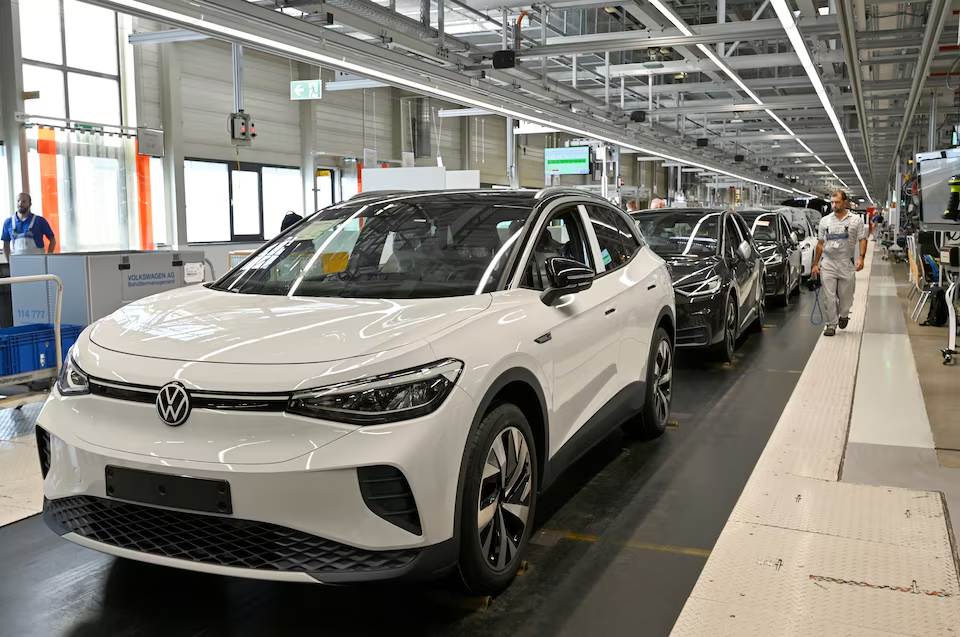
Volkswagen, one of the world’s leading automobile manufacturers, continues to project a positive outlook despite ongoing disruptions in the global supply chain, particularly regarding semiconductor chips. As the automotive industry navigates through unprecedented challenges, Volkswagen’s strategic responses and future projections have garnered attention from industry analysts, investors, and consumers alike.
Volkswagen’s Confidence in Business Guidance
Backing the Mid-Term Outlook
According to recent reports, Volkswagen has reaffirmed its financial guidance for the upcoming fiscal periods. The company remains optimistic about reaching its revenue and profit targets, emphasizing its resilience amid global supply chain hiccups. This confidence is rooted in the automaker’s robust product pipeline, innovative initiatives, and strategic market positioning.
Key highlights include:
- Commitment to achieving targets despite supply constraints
- Focus on expanding electric vehicle (EV) offerings
- Strategic investments in sustainable manufacturing and digitalization
Reasons Behind Volkswagen’s Optimism
Volkswagen’s belief in its outlook stems from multiple factors, including its diversified supplier base, adaptive production strategies, and growing demand for EVs. The company has also been proactive in adjusting its production schedules, prioritizing high-demand models, and leveraging technological advancements to mitigate supply chain disruptions.
The Challenge: Microchip Supply Disruptions
The Semiconductor Crisis and Its Impact
The global shortage of semiconductor chips, often described as the backbone of modern vehicles, has posed significant hurdles for automakers worldwide. Volkswagen, like its counterparts, has faced upstream supply chain glitches leading to production delays and temporary shutdowns of certain manufacturing lines.
In a recent article from The Wall Street Journal, the company explicitly acknowledged the supply-side challenges, yet emphasized its strategic flexibility and resilience.
Volkswagen’s Response to the Supply Chain Strain
The automaker has employed several measures to deal with the chip shortage, including:
- Securing alternative chip suppliers to diversify risk
- Adjusting production schedules to prioritize the most profitable and high-demand models
- Engaging in long-term contracts to stabilize supply sources
- Investing in new technologies and designs that can accommodate different types of chips
Future Outlook and Strategic Initiatives
Innovating in the Face of Adversity
Despite the ongoing adversity, Volkswagen is relentlessly pushing forward with its strategic initiatives. The company’s focus on electric vehicles is at the core of its future growth, with plans to significantly increase EV production capacity over the next few years.
Another vital aspect is Volkswagen’s investments in digital transformation, including automated manufacturing processes and advanced supply chain analytics. These efforts aim to build a more resilient infrastructure capable of adapting swiftly to disruptions, including those caused by semiconductor shortages.
Potential Long-Term Solutions
Volkswagen has also entered into collaborations and partnerships within the semiconductor industry, seeking to secure a steady supply of chips for future vehicle models. Additionally, the company is exploring the development of in-house chip design capabilities, which could reduce dependency on external suppliers and mitigate risks associated with global shortages.
The Broader Industry Context
Volkswagen’s experience reflects a broader trend within the automotive sector, where supply chain challenges have become a defining issue of the post-pandemic era. While some manufacturers have scaled back their forecasts, Volkswagen’s resilient approach showcases how strategic planning, diversification, and technological innovation can help sustain growth despite adversity.
Conclusion
Volkswagen’s commitment to maintaining its guidance underscores a strong belief in its operational resilience and future prospects. While caution regarding the semiconductor supply chain remains warranted, Volkswagen’s proactive strategies and diversified initiatives position it well to navigate current challenges and capitalize on emerging opportunities.
As the industry continues to adapt and innovate, Volkswagen remains a notable example of perseverance and strategic agility, demonstrating that even amid supply chain disruptions, with the right approach, companies can sustain growth and confidence in their outlook.
Final Thoughts
In conclusion, Volkswagen’s projected resilience amidst chip supply constraints highlights the importance of strategic foresight and adaptive management. The company’s focus on electrification, digital transformation, and supply chain resilience will be critical drivers of its future success.
For more updated news please keep visiting Hourly Prime News.