

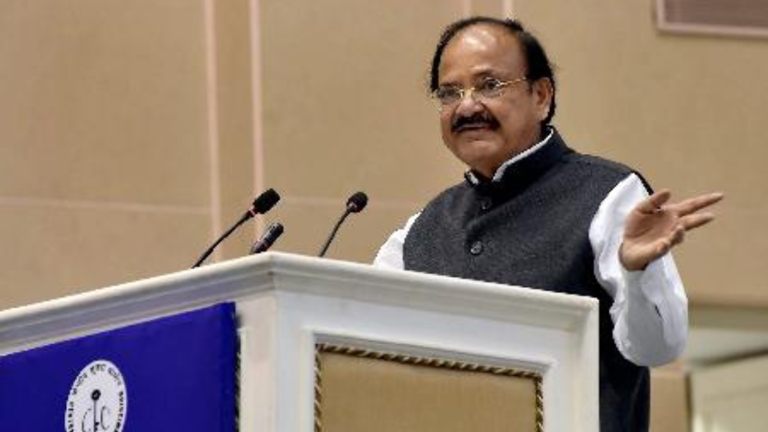
In recent years, the world has witnessed a significant shift in international trade policies, especially with the imposition of tariffs by major economies such as the United States. Among these, the tariffs on Russian imports have sparked considerable debate, with critics arguing that they disrupt global trade flows and hurt broader diplomatic relations. Venkaiah Naidu, a prominent Indian politician and former Vice President of India, recently voiced his concern about these US tariffs, highlighting their impact not only on global markets but also on nations like India that import from Russia.
The Criticism from Venkaiah Naidu: Unpacking the Concerns
US Tariffs: An Obstacle to Free Trade
Venkaiah Naidu emphasized that the US tariffs on Russian goods are a deviation from the principles of free and fair trade. These tariffs, often viewed as protectionist measures, can lead to heightened trade tensions and retaliatory moves from Russia and other affected nations. Naidu pointed out that such measures could destabilize the existing economic order, complicate international relations, and undermine global efforts towards economic integration.
Impact on Countries Importing from Russia
He specifically addressed how countries like India, which import essential commodities and military equipment from Russia, are adversely affected by these tariffs. As reported in , Naidu highlighted that such policies could harm the strategic and economic interests of allies and partner nations, including India.
Broader Implications of US Tariffs on Global Economy
Naidu’s criticism reflects a broader concern about the repercussions of unilateral tariffs on international economic stability. Trade disruptions can lead to increased costs for consumers and industries worldwide, and can cause uncertainty in markets. Countries heavily dependent on trade with Russia, such as India, face complex challenges in balancing diplomatic relations with economic interests.
Retaliation and Escalation of Trade Wars
One of the key risks associated with tariffs is the possibility of retaliatory measures. Russia, in response to US tariffs, might impose counter-tariffs or restrictions that could impact Indian exports, particularly in sectors like pharmaceuticals, textiles, and technology. The cycle of tit-for-tat tariffs can escalate into a full-blown trade war, detrimental to global economic growth.
Impacts on India and Developing Countries
Economic Consequences
India, being one of the world’s largest importers of Russian commodities—especially oil, defense equipment, and metals—stands to lose from US tariff policies. Increased costs could lead to inflationary pressures, affect domestic industries, and complicate India’s economic recovery strategies post-pandemic.
Diplomatic and Strategic Implications
Naidu emphasized that such fiscal policies can strain diplomatic ties and hinder efforts to foster regional stability. India’s independent foreign policy stance could be challenged if global powers prioritize their own economic gains over international cooperation.
Calls for a More Cooperative Global Approach
In his statement, Venkaiah Naidu called for greater cooperation among nations to address the root causes of trade disputes instead of resorting to tariffs. He stressed the need for adherence to international agreements and the importance of multilateral negotiations to find mutually beneficial solutions.
- Promoting Fair Trade: Ensuring that trade policies do not disadvantage developing nations
- Strengthening International Institutions: Leveraging WTO and other bodies to mediate trade conflicts
- Addressing Geopolitical Tensions: Recognizing that economic measures should not be used as tools of political coercion
Conclusion: The Path Forward
Venkaiah Naidu’s criticism of the US tariffs highlights the complex web of international economic relations and the need for a balanced approach to trade policy. While safeguarding national interests is important, cooperation and adherence to global norms are crucial for ensuring stability and prosperity for all nations involved.
As the world navigates this challenging scenario, the importance of diplomatic dialogue and multilateral frameworks becomes more evident than ever. Countries must work together to develop strategies that promote sustainable growth without undermining mutual trust or the principles of free trade.
Ultimately, policies that consider the broader implications for global peace and economic stability are essential. India, along with other nations, advocates for such a balanced approach, emphasizing the importance of sovereignty, fairness, and strategic cooperation in international trade.
Final Thoughts
The criticism from Venkaiah Naidu underscores a vital perspective in today’s interconnected world: that trade policies must be crafted with a long-term view, considering the ripple effects on global stability and development. As tensions around tariffs continue to unfold, the hope remains that nations will find common ground rooted in fairness and mutual benefit.
For more updated news please keep visiting Hourly Prime News.