

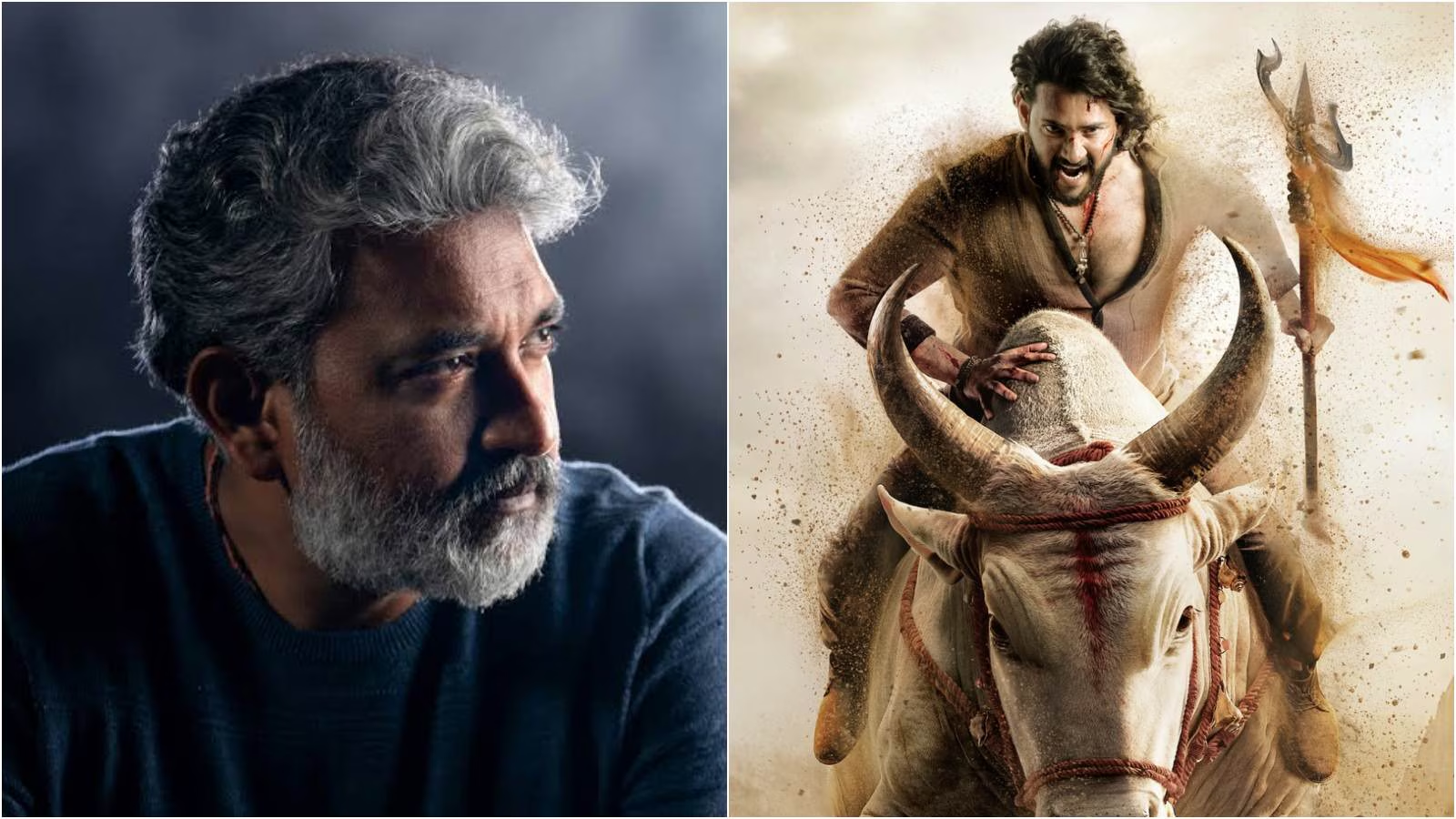
The recent comments made by acclaimed director SS Rajamouli regarding Lord Hanuman have ignited a firestorm of reactions across social media, political groups, and religious communities in India. The controversy primarily revolves around the director’s remarks that have been perceived as disrespectful or dismissive of Hindu religious sentiments, particularly concerning Lord Hanuman—a revered deity in Hindu mythology and a symbol of devotion, strength, and humility.
The incident gained prominence when reports surfaced that Rajamouli, during a public event or interview, made statements that were considered offensive or insensitively interpreted as disrespect towards Hanuman. Such comments triggered strong reactions from the public, leading to protests, social media outrage, and formal complaints against the filmmaker.
Public Outrage and Political Reactions
The outrageous response from religious communities was swift. Many saw Rajamouli’s statements as an attack on their religious sentiments, igniting emotional debates around freedom of expression versus respect for religious beliefs. Several individuals and groups registered grievances with local police authorities, demanding action against the filmmaker for alleged blasphemy or hate speech.
In the wake of these reactions, some politicians from various parties expressed their disapproval. The controversy has now become more than just a social media debate; it has political undertones, with calls for accountability and, in some cases, demands for censorship or bans on Rajamouli’s works.
The Role of Social Media and Media Coverage
Social media platforms acted as catalysts, amplifying the outrage. Hashtags criticizing Rajamouli trended widely, with supporters of both sides engaging in heated exchanges. Many users accused the director of intentionally provoking religious sentiments, while others defended his right to artistic freedom and expression.
Moreover, mainstream media outlets, including The Times of India and Hindustan Times, provided extensive coverage of the incident, further fueling the debate. Allegations and counter-statements appeared in headlines, creating a polarized environment that reflected the deep-seated cultural tensions present in Indian society.
The Historical and Cultural Context
India’s rich tapestry of religious beliefs and cultural traditions often leads to sensitive moments when public figures voice opinions about deities and mythology. Lord Hanuman, in particular, enjoys a veneration that crosses regional and social boundaries—his images are seen in temples, homes, and even on personal clothing. Disrespect toward Hanuman is considered a serious offense by many, often leading to protests and legal actions.
In this context, Rajamouli’s comments are not viewed in isolation but are seen against a backdrop of ongoing debates about secularism, religious identity, and freedom of speech. Critics argue that such remarks, whether intended as satire or commentary, can unintentionally hurt sentiments and undermine societal harmony.
Legal Actions and Complaints
Following the controversy, formal complaints have been registered with police authorities and legal bodies. As reported by , the police have initiated inquiries into Rajamouli’s remarks, and some legal channels have even filed FIRs accusing him of offending religious sentiments.
Historical Tweets and Past Statements Resurfacing
Adding fuel to the fire are past statements and tweets made by Rajamouli that have now resurfaced, creating a broader narrative around his views on religion. For instance, a tweet where he stated, “never liked Lord Rama,” has been widely circulated and criticized, especially in the context of ongoing debates about religious sensitivities and the filmmaker’s personal beliefs.
Many believe these past remarks reveal a pattern that may influence public perception of Rajamouli’s recent comments, intensifying the outrage among devotees and religious groups.
Broader Implications and Future Perspectives
This controversy highlights a larger issue within Indian society—the delicate balance between artistic expression and religious respect. While freedom of speech is constitutionally protected, it often clashes with deeply rooted cultural sentiments, especially when it involves revered religious symbols.
Some argue that artists and filmmakers should exercise caution while expressing provocative opinions, especially in a diverse society with varied beliefs. Others advocate for the importance of open dialogue and the right to challenge traditions, emphasizing that art often serves as a mirror to society’s evolving perspectives.
Moving forward, the incident raises questions about where the line should be drawn—should religious sentiments take precedence over free expression, or vice versa? It remains a contentious debate, with no easy answers.
Conclusion
The Varanasi controversy involving SS Rajamouli underscores the intense passions that religious and cultural identities evoke in India. It also serves as a reminder of the responsibility that public figures hold when making statements that resonate deeply with millions. While disagreements and dialogues are inevitable in a democratic society, respect for diverse beliefs must always be valued to maintain social harmony.
This incident will likely influence future conversations about artistic freedom and religious sensitivities, emphasizing the need for respectful discourse amid vibrant cultural dialogues.
For more updated news please keep visiting Hourly Prime News.