

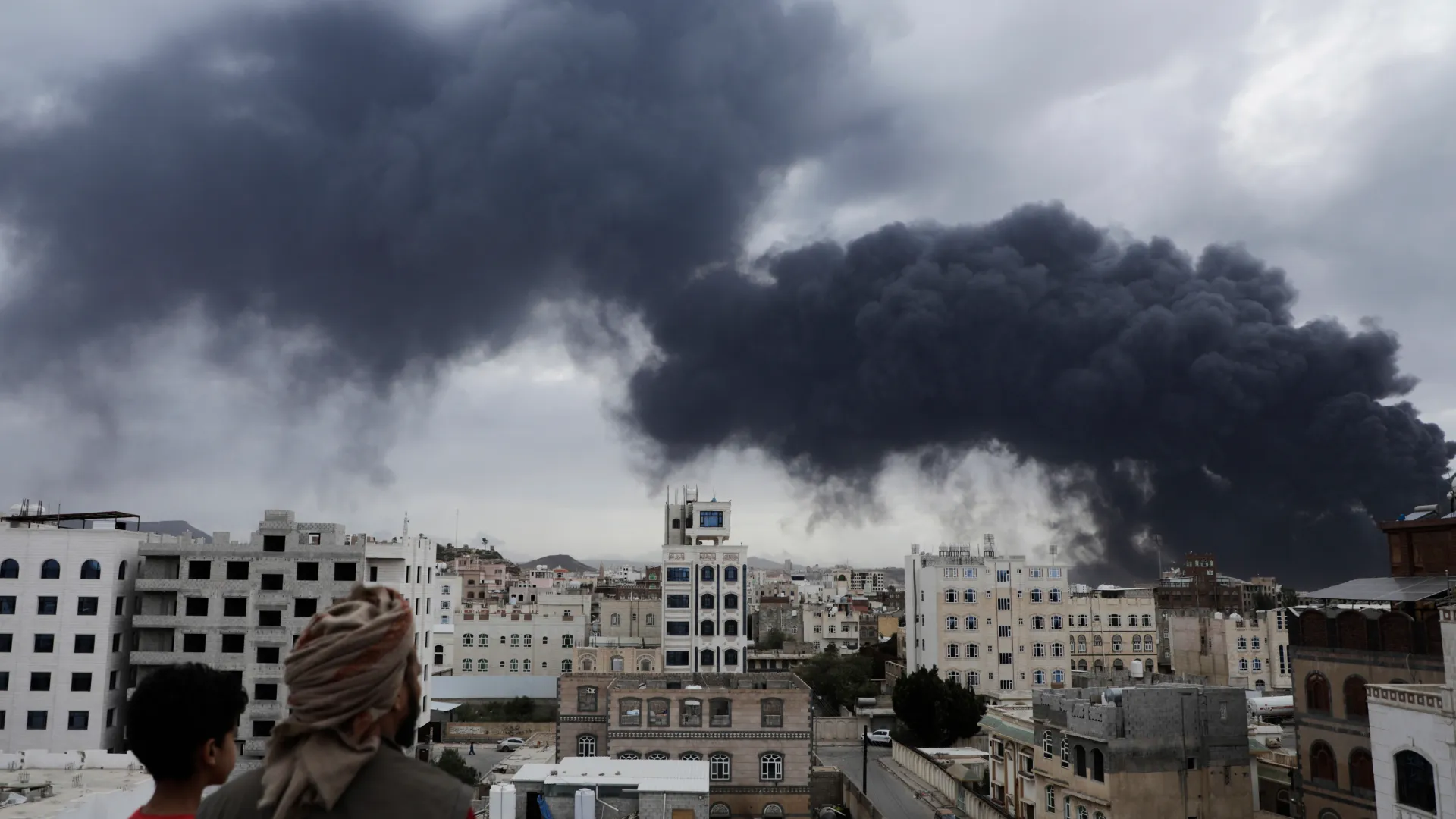
The recent escalation of Israeli military strikes targeting Gaza and Syria has captured global attention, igniting concerns over regional stability and international responses. The United States, as a key player in Middle Eastern diplomacy and security, has found itself navigating a complex landscape of strategic interests, diplomatic pressures, and military developments. News of surprise attacks and political tensions has sparked a range of responses from White House officials, military experts, and regional allies. This article explores the unfolding events, the reactions of US officials, and the broader implications for regional and global stability.
Background of the Recent Strikes
The recent Israeli military actions have targeted critical locations within Gaza and across Syria’s borders, including suspected militant hideouts and military installations. Reports indicate that Israel launched these strikes in response to mounting security threats and hostile activities from militant groups operating in these regions. However, these aggressive moves have not gone unnoticed by the international community, with some nations condemning the escalation and urging restraint.
- Israeli Strikes on Gaza and Syria: The strikes, reportedly meticulously planned, aimed to weaken militant capabilities but have also resulted in civilian casualties and infrastructural damage. The timing of these operations seems to be related to ongoing tensions in the region, with Israel citing the need to defend its sovereignty.
- Unexpected Developments: Notably, former President Donald Trump was reportedly ‘caught off guard’ by these events, reflecting possible gaps in intelligence or communication within the US administration regarding Israel’s military plans. The White House publicly stated that President Joe Biden responded swiftly to these developments, emphasizing the importance of diplomatic engagement and de-escalation.
US Response and Diplomatic Diplomacy
White House’s Immediate Reaction
According to sources such as President Joe Biden’s quick response emphasized the importance of diplomatic channels, urging all parties to avoid further escalation and work towards peace.
Diplomatic Challenges and Skepticism
Despite the White House’s swift public statements, skepticism remains about the US’s ability to influence events effectively. Reports, such as from Growing skepticism within the White House indicate concerns over the efficacy of US diplomatic efforts, especially amid conflicting intelligence reports and the unpredictable political landscape.
International Reactions and Regional Impact
Global Community’s Response
Global reactions to the recent Israeli strikes have been mixed. Some nations, especially within the Middle East, have condemned the attacks, citing concerns over civilian casualties and regional destabilization. Conversely, others have shown support for Israel’s right to defend itself but called for restraint and diplomatic solutions.
Implications for Syria and Iran
Syria, already embroiled in a complex civil war, faces increased instability due to Israeli operations. Reports, such as from Increased instability in Syria and potential for spillover effects underscore the dangerous trajectory of current hostilities.
US Political Dynamics and Military Readiness
Skepticism from Political Leaders
Within the US, political figures such as members of Congress and foreign policy analysts express varied opinions. While some support strong US backing for Israel, others advocate for cautious diplomacy to prevent wider regional conflict. Reports from Skepticism among US policymakers highlights concerns about escalating military involvement and the limits of US influence.
Military Preparedness and Strategic Considerations
The US military remains on alert, with commanders closely monitoring developments. Discussions focus on potential troop deployments, intelligence sharing, and strategic alliances. Despite diplomatic efforts, some analysts warn that continued Israeli strikes could necessitate direct US involvement, which carries significant geopolitical risks.
Broader Geopolitical Consequences
The current situation complicates the US’s broader Middle Eastern strategy, especially regarding Iran, Hezbollah, and other regional actors. Tensions are heightened, and the risk of wider conflict increases, prompting international calls for de-escalation.
As tensions mount, the global community watches with concern, emphasizing the importance of diplomatic solutions over military escalation. The implications extend beyond the region, potentially affecting global oil markets, international security alliances, and geopolitical stability for years to come.
Conclusion
The recent Israeli strikes on Gaza and Syria have placed the US in a challenging diplomatic position. While swift responses from the White House aim to contain the situation, skepticism remains about the effectiveness of US influence. The unfolding events underscore the fragile nature of Middle Eastern geopolitics and the critical need for renewed diplomacy to prevent further escalation and ensure regional stability.
For more updated news please keep visiting Hourly Prime News.