

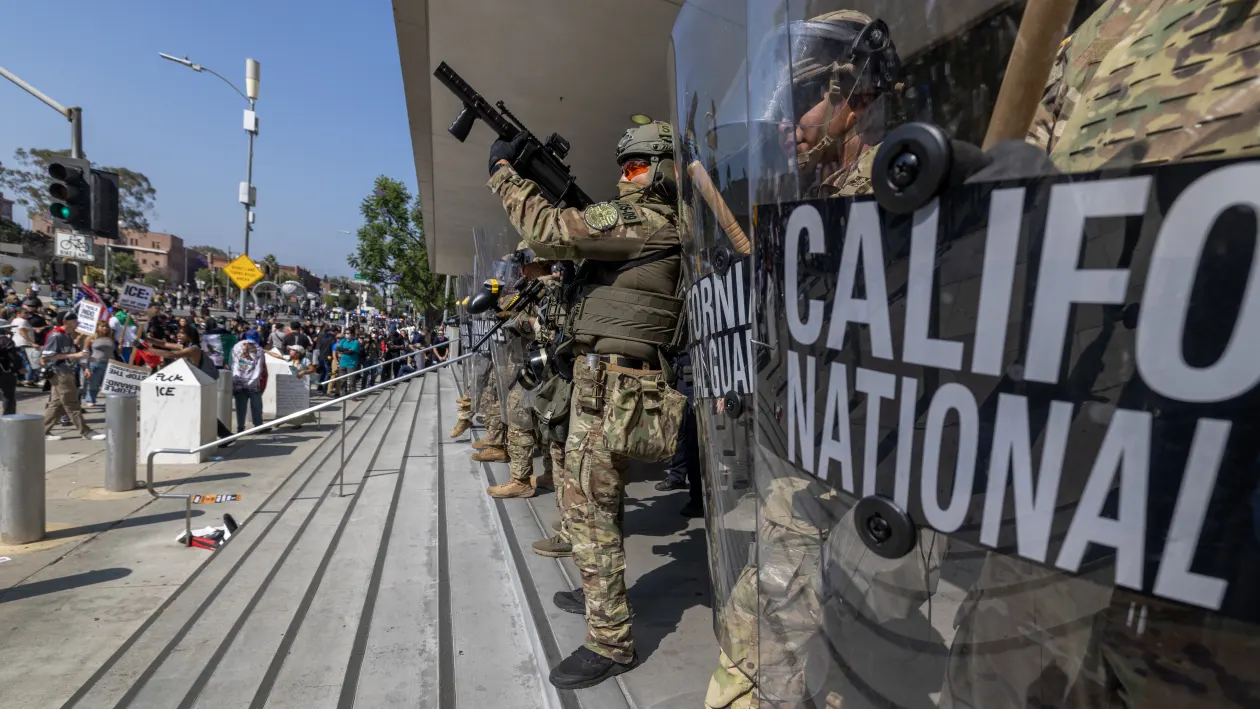
The recent announcement that the United States military intends to withdraw 2,000 National Guard troops stationed in Los Angeles marks a notable change in domestic security operations. This move, reported by various news outlets including The Hindu and others, highlights shifting priorities within the federal government and a reevaluation of the role of military forces within U.S. urban centers.
Background on Deployment and Its Objectives
Historically, deploying National Guard troops in metropolitan areas like Los Angeles has been aimed at managing civil unrest, supporting disaster responses, and assisting law enforcement agencies during peak tensions or emergencies. In the context of recent events, such as protests and immigration enforcement efforts, these troops played a critical role in maintaining order and supporting federal agencies.
Over the years, the deployment of National Guard units in cities like Los Angeles has been both a strategic move to ensure security and a politically sensitive issue, often sparking debates about civil liberties, community relations, and the militarization of domestic policy.
The Reasons Behind the Withdrawal
Changing Political and Security Priorities
The decision to remove 2,000 troops appears to be influenced by a combination of political directives and evolving security strategies. The Biden administration, emphasizing a shift towards diplomatic and community-based approaches, is likely aiming to reduce the visible military presence in urban spaces unless explicitly needed.
Reduction of Tensions and Misinformation
Some experts suggest that the heightened tensions related to immigration enforcement, particularly concerning ICE raids and protests, have lessened, enabling the government to scale back military involvement. As seen in reports from the Times of India, and NDT, the move seems aligned with the broader goal to ease tensions around immigration and law enforcement practices in California.
Impacts of the Withdrawal on Local Security and Communities
The removal of these troops raises questions about how security dynamics in Los Angeles will evolve. Critics argue that reducing military support could lead to increased vulnerabilities during civil unrest, border-related issues, or emergent crises.
Conversely, supporters contend that the presence of military units can strain community relations, especially in historically underserved neighborhoods that may perceive such deployments as overreach or intimidation. This shift might therefore foster a more community-centered approach to law enforcement and emergency management.
Historical Context and Previous Deployments
Deployment Patterns and Lessons Learned
- Earlier deployments: The National Guard has historically been deployed during major events like protests, natural disasters, and large public gatherings.
- Public perception: Community responses have ranged from appreciation for assistance during crises to protests against perceived militarization of law enforcement.
- Operational challenges: Maintaining a balance between support and civil liberties has been a challenge, prompting reevaluation of the scope and scale of military involvement.
The Role of Federal and State Governments
The shifting strategies highlight ongoing debates regarding the federal government’s authority versus state autonomy, especially in sensitive urban environments. While federal agencies aim to streamline security responses, states and localities often demand more control over how military resources are utilized within their jurisdictions.
The Broader Implications for National Security and Domestic Policy
The withdrawal signifies a potential recalibration of the role of the military domestically. It reflects a recognition that military resources should be reserved for genuine emergencies rather than routine law enforcement support unless formally justified. This change aligns with campaigns for reducing the militarization of police and promoting community-oriented policing models.
Furthermore, the move might set precedence for other cities and states contemplating similar actions, especially amid public debates about civil liberties and accountability in security operations.
Future Outlook: What’s Next?
While the specifics of the transition remain under discussion, experts anticipate a focus on community engagement and civilian-led security initiatives moving forward. The transition period will be critical in ensuring that public safety remains robust without the visible military presence that characterized certain periods in recent history.
It is also likely that federal and local authorities will strengthen civilian law enforcement agencies and emergency services to fill the gaps left by the withdrawal of troops, emphasizing training and community trust-building.
Concluding Remarks
The decision to withdraw 2,000 National Guard troops from Los Angeles underscores a significant shift toward a more measured, interaction-based approach to urban security. It reflects evolving perspectives on military involvement in domestic affairs, emphasizing community trust, civil liberties, and localized control. As the city adapts to these changes, ongoing dialogue between government agencies and community stakeholders will be vital to ensure safety, liberty, and social harmony.
For more updated news please keep visiting Hourly Prime News.