

The Announcement of Copper Tariffs and Its Context
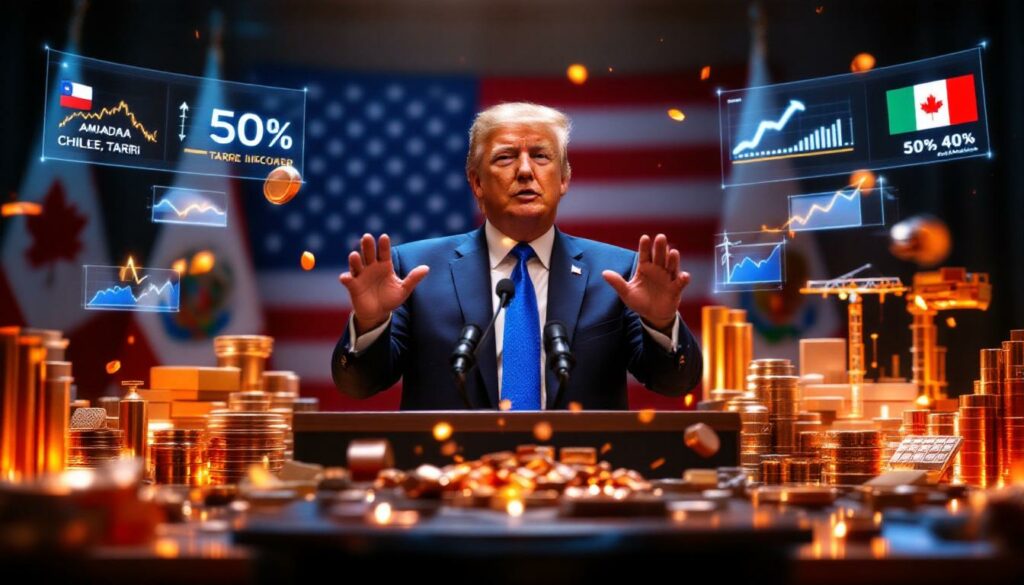
In a major development that sent ripples across international trade and commodity markets, US President Donald Trump officially announced a 50% tariff on copper imports, effective August 1. This decision is part of a broader strategy to protect domestic industries amid ongoing trade negotiations and geopolitical considerations. According to News18.
Implications of the Tariff on Global Markets
This sudden imposition of a significant tariff on copper—the metal heavily relied upon across various industries including construction, electronics, and transportation—poses substantial challenges for global supply chains. Copper prices, which had been relatively stable, experienced immediate volatility, with traders reacting swiftly to the news. Market analysts predicted that such tariffs could lead to increased costs for manufacturers worldwide, potentially causing inflationary pressures and shifts in trade flows.
Effects on Global Supply Chains
- Increased Costs— Manufacturers sourcing copper from Mexico and other affected countries may face higher procurement costs, which could be passed down to consumers.
- Disruption of Trade Flows— Companies might seek alternative sources or stockpile copper in anticipation of future tariffs, leading to short-term market disruptions.
- Impact on Related Commodities— Since copper is a key input in many electronic devices and infrastructure projects, its price change could influence related markets like aluminum and other base metals.
This decision not only affects the immediate supply and demand but also signals a shift in the US’s trade policy approach, emphasizing protectionism and potential trade barriers that could cascade into broader economic consequences.
Regional and Domestic Impacts
Within the United States, the copper industry may experience short-term benefits through increased reliance on domestic sources. However, expanding tariffs on imports often result in higher construction and manufacturing costs, which can slow down economic growth and increase the prices consumers pay for everyday goods.
On the international front, countries that export significant quantities of copper—such as Mexico, Chile, and Peru—are particularly vulnerable. These nations might see a decline in copper exports, impacting their trade balances and economic stability.
Economic Responses and Market Reactions
Stock markets showed mixed reactions following the announcement. While some investors anticipated a possible rebound in domestic copper production, others feared inflation and reduced global trade volume. Central banks and policymakers are closely monitoring these developments, considering measures to mitigate adverse effects on economic stability.
Broader Trade Tensions and Future Outlook
The tariff announcement on copper is perceived as a component of the broader trade tensions between the US and trading partners like Mexico, China, and the European Union. Historically, tariffs have been used as leverage in negotiations, but they often result in retaliatory measures, creating a cycle of trade restrictions that can stifle economic growth.
If the tariffs remain in place or are expanded to other commodities, the global economy could face prolonged uncertainty. Industries reliant on copper might seek to diversify their supply chains, investing in alternative materials or domestic production, which could reshape industry dynamics over the coming years.
The Role of Mexico in the Copper Trade
Mexico, being a significant copper exporter, stands at a crossroads due to this tariff policy. The imposed tariffs could reduce Mexico’s export revenue and strain bilateral trade relations. For Mexican copper exporters, the increased US tariffs mean diminished competitiveness, prompting a reevaluation of trade strategies.
Furthermore, Mexico’s economy, already sensitive to US trade policies, may experience ripple effects across other sectors, underscoring the interconnectedness of North American trade relations and the need for diplomatic negotiations to maintain stability.
What Can Industries Do in Response?
Faced with these tariffs, industries are exploring multiple strategies:
- Supply Chain Diversification— Relying less on imports from Mexico and seeking alternative sources in other countries such as Chile, Canada, or Africa.
- Investing in Domestic Production— Increasing local mining and refining capabilities to mitigate reliance on imports affected by tariffs.
- Innovating Material Use— Developing new materials or technologies that reduce dependence on copper, particularly in electronics and construction sectors.
While these measures may involve initial costs, they could prove advantageous in creating a more resilient and adaptable manufacturing infrastructure in the long run.
Global Trade and Market Outlook
The announcement underscores the fragility and interconnectedness of modern global trade networks. The impact of tariffs on copper may be a precedent for similar measures on other commodities, prompting a reevaluation of international trade agreements and economic alliances.
Market analysts suggest that, in the short term, volatility is likely to persist, with price swings reflecting uncertainties about policy stability. Meanwhile, countries and companies that proactively adapt their strategies could emerge with competitive advantages once markets stabilize.
Concluding Thoughts
The decision by the US to impose a 50% tariff on copper imports from Mexico marks a significant turning point in international trade relations, highlighting the potential for widespread economic repercussions. From impacting global commodity prices to reshaping supply chains and diplomatic relations, the ripple effects are profound and far-reaching.
As nations and industries navigate this new landscape, understanding the broader implications of such tariffs becomes critical. The ongoing developments will undoubtedly influence trade policies, economic stability, and industry strategies for years to come.
Stakeholders worldwide must stay vigilant, adapt swiftly, and engage in diplomatic dialogues to mitigate negative impacts and foster resilient economic partnerships.
For more updated news please keep visiting Hourly Prime News.