

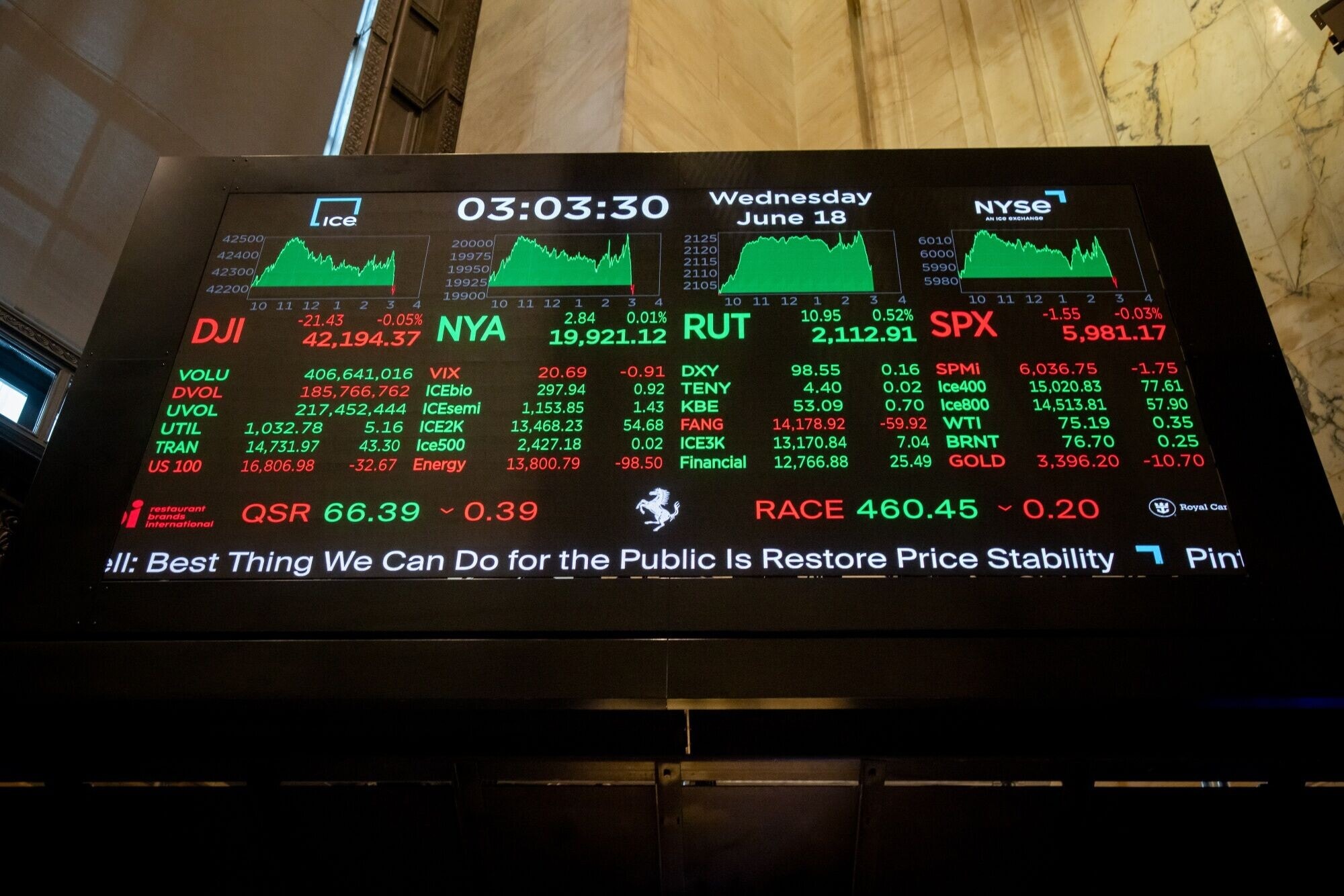
The recent trading session on Wall Street showcased a mixed sentiment among investors, with the US stock markets edging down from record-high levels, reflecting growing concerns over potential tariff escalations announced by the Trump administration. Despite reaching historic peaks earlier this year, the markets demonstrated a cautious tone amid geopolitical uncertainties and trade tensions. This dynamic scenario underscores the complex interplay of economic optimism and policy-induced risks shaping the current market landscape.
Background: The Market’s Bullish Run
Over the past year, the US markets have experienced a remarkable bull run, driven by robust economic growth, strong corporate earnings, and supportive monetary policies. Investors have been optimistic about continued expansion, with major indices such as the S&P 500, Dow Jones Industrial Average, and NASDAQ hitting multiple record highs. This bullish trend has been sustained by advantageous fiscal policies, low unemployment rates, and technological innovation fueling growth sectors.
However, amid these highs, signs of vulnerability began to surface, primarily linked to externally triggered risks. One of the most prominent concerns recently has been the potential imposition or escalation of tariffs by the United States, which could disrupt global supply chains and dampen corporate profitability.
The Impact of Trump’s Tariff Threats
According to recent reports, the Trump administration’s tariff threats have injected a dose of uncertainty into the markets. As trade tensions with China and other trade partners intensify, investors have grown wary of possible retaliatory measures and the broader implications for global trade. The article from Read more about the Trump tariff threats.
This political and trade-related tension has led to market hesitation. Traders are concerned about how tariffs might impact corporate earnings, especially within supply-dependent sectors like technology, manufacturing, and agriculture. Some sectors are already exhibiting signs of stress, with shares experiencing modest declines as investors await clearer policy signals.
Market Performance: Factors Contributing to the Slight Decline
Global Trade Uncertainties
The primary catalyst for the market’s slight dip has been the escalating trade tensions. The possibility of tariffs affecting imports and exports raises concerns about future profitability and cost structures for countless US companies. This uncertainty often triggers profit-taking among investors, pulling the markets back from their record levels.
Geopolitical Risks
Aside from tariffs, geopolitical issues—including diplomatic disputes and defense tensions—also contribute to increased volatility. These factors create an environment where risk premiums rise, making investors more cautious in deploying capital into equities.
Economic Data and Earnings Reports
Despite record-highs, recent economic data suggest a slightly cooling economic momentum, with some indicators hinting at slower growth. Additionally, quarterly earnings reports from major corporations have shown mixed results, leading traders to re-evaluate valuations and growth prospects.
The Broader Market Sentiment
While the overall market sentiment remains cautiously optimistic, the recent decline signals that traders are أصبحت more attentive to risks than they were during the peak of the bullish rally. Many analysts suggest that the market’s resilience will depend heavily on how the trade dispute between the US and China evolves, and whether diplomatic negotiations yield any meaningful breakthroughs.
Some market participants view the recent dip as a healthy correction—a necessary pause that could pave the way for a more sustainable ascent once uncertainties are resolved. Others warn that if tariffs continue to escalate, the market could face more pronounced declines, especially if investor confidence erodes significantly.
Looking Ahead: The Future of US Markets
Investors are now closely monitoring policy developments and macroeconomic indicators to gauge the trajectory of the markets. Key considerations include:
- Potential for tariff de-escalation or escalation
- Trade negotiations between the US and China
- Upcoming economic reports and employment data
- Corporate earnings outlook amid potential supply chain disruptions
- Geopolitical stability in other regions impacting investor confidence
In addition, market volatility is expected to persist, with fluctuations likely as new headlines emerge. Diversification, risk management, and a focus on long-term fundamentals will be vital for investors aiming to navigate this volatile phase.
Conclusion
In summary, the US stock markets have recently experienced a slight retreat from record highs, primarily driven by concerns over the Trump administration’s tariff threats. While the markets remain fundamentally solid, trade tensions and geopolitical risks inject a degree of caution among traders. The key to navigating this landscape lies in staying informed, maintaining a diversified portfolio, and being prepared for continued volatility.
The ongoing developments in trade policies and global economic conditions will significantly influence market direction in the coming months. Both seasoned investors and newcomers should keep a close eye on these indicators to adapt their strategies accordingly.
Overall, the markets are at a pivotal juncture—balancing between record-breaking highs and the risks posed by policy uncertainty. The next few weeks will be critical in determining whether the current dip morphs into a more substantial correction or a buying opportunity for gains ahead.
For more updated news please keep visiting Hourly Prime News.