

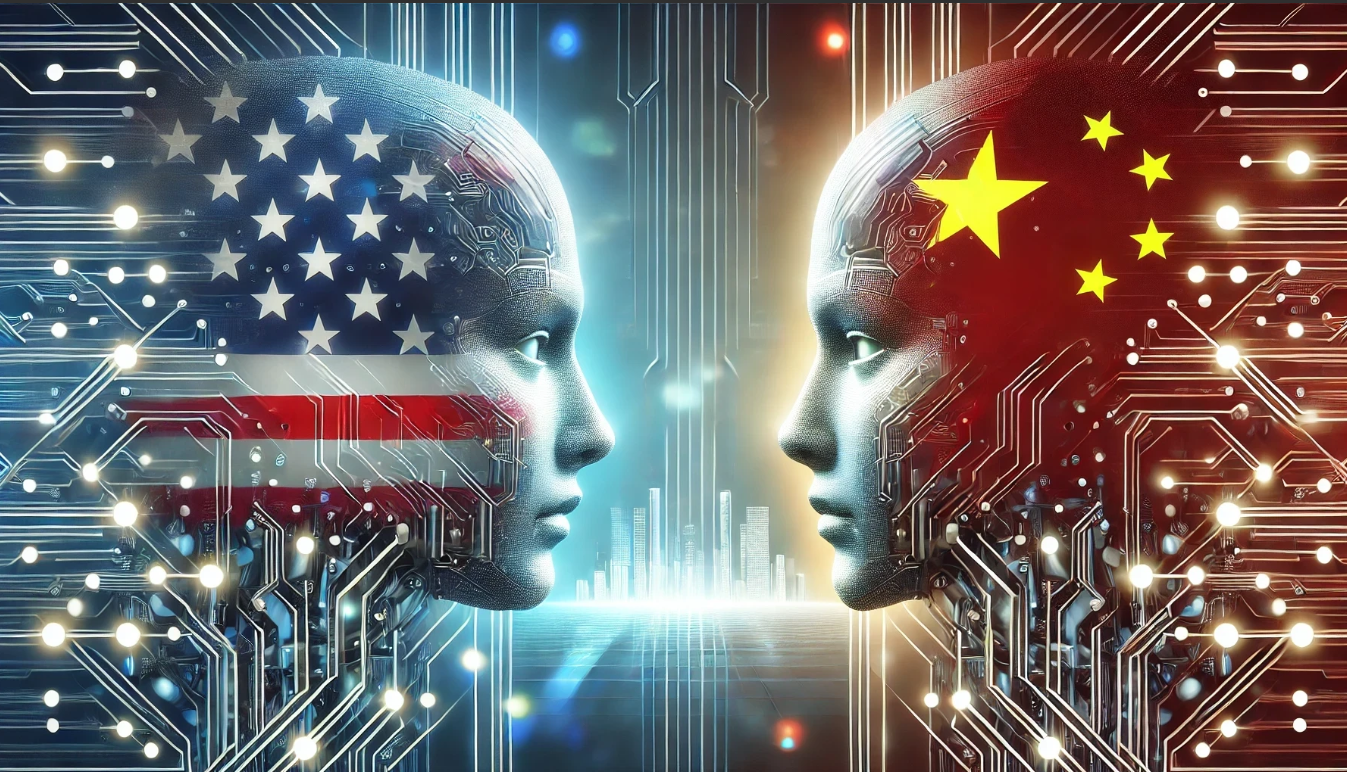
In recent months, the geopolitical landscape has been intensely charged with technological rivalry between the United States and China. Central to this tension is the scrutiny of Chinese artificial intelligence (AI) systems, particularly concerning concerns about their potential ideological biases. As AI continues to evolve at a rapid pace, the US government has intensified its focus on evaluating Chinese AI models for possible biases that could influence perceptions, policies, or even international relations. This comprehensive investigation reflects broader concerns about technological sovereignty, security, and the ideological implications embedded within AI systems developed in China.
The Rising Concerns Over AI Bias and Its Geopolitical Implications
The use of AI technology is no longer confined to commercial or research applications; it has become a battleground for geopolitical influence. The United States, striving to maintain its technological edge, is scrutinizing Chinese AI tools to detect potential biases rooted in ideological or political motives. A recent memo, obtained and analyzed by independent sources, reveals that US officials are concerned about the ways in which Chinese AI may reflect state-sponsored narratives, propagate certain ideological perspectives, or undermine democratic values.
These concerns are not unfounded, considering the way AI systems learn from massive datasets—often sourced from the internet or other open platforms—that can contain biased or skewed information. Chinese AI models, which are predominantly built with datasets curated under stringent state control, may embody specific ideological biases that differentiate them from western counterparts. This raises essential questions about transparency, freedom of information, and the role of AI in shaping public opinion both domestically and internationally.
An Internal Memo Sheds Light on US Concerns
According to the leaked memo, US intelligence agencies have been closely examining Chinese AI platforms for signs of ideological bias. The document indicates that several models exhibit signs of being aligned with Chinese governmental perspectives, which could pose challenges to US interests and global influence.
Specifically, the memo highlights concerns about:
- Ideological Bias: Chinese AI systems may prioritize narratives aligned with Chinese government policies, potentially de-emphasizing or censoring perspectives that are critical of China.
- Propagation of State-Sponsored Narratives: The models could be used to subtly influence both domestic and international audiences through content moderation and generation that aligns with Beijing’s strategic interests.
- Impact on International Discourse: As Chinese AI becomes more prevalent, there could be significant implications for global information flow, especially in regions where Chinese AI products are widely adopted.
The memo suggests that the American intelligence community is considering several response strategies, including increased surveillance, development of counter-AI tools, and diplomatic efforts to regulate the deployment of Chinese AI systems in critical sectors.
Broader Concerns: Technological Sovereignty and Ethical Dilemmas
Technological Sovereignty
The US investigation underscores an ongoing debate regarding technological sovereignty—how nations can and should regulate foreign AI systems to safeguard national security. As China advances its AI capabilities, the US perceives this as a strategic challenge that could impact everything from cybersecurity to economic competitiveness. The scrutiny of Chinese AI is part of a broader strategy to prevent dependencies on foreign technology that might be exploited for ideological or strategic advantages.
Ethical Concerns and Global Impacts
The bias inherent in AI systems is not merely a technical issue but also a profound ethical concern. When AI systems are influenced by ideological biases, they risk perpetuating misinformation, discrimination, or censorship. In the Chinese context, these biases might suppress dissenting voices or control narratives aligned with the state, raising questions about freedom of expression and human rights.
Moreover, as Chinese AI products are exported to other countries, these biases could have far-reaching effects—ranging from shaping electoral processes to influencing social norms in different cultural contexts. The US fears that unchecked Chinese AI influence might tilt the global information ecosystem towards authoritarian-leaning narratives, thereby diluting the values of openness and democracy.
The Competition in Tech: The US and China Clash
The investigation into Chinese AI forms a part of the broader US-China tech rivalry that has intensified over the years. Both nations are pouring resources into developing cutting-edge AI technology, with China aiming to surpass Western innovations and establish itself as a global AI leader by 2030. The US, meanwhile, has sought to restrict Chinese access to critical technologies through tariffs, bans, and stringent export controls.
This tension also manifests in the realm of standards and regulations. The US fears that Chinese AI models, if left unchecked, could set global benchmarks rooted in different ideological frameworks, possibly adverse to Western principles of openness, privacy, and individual rights. Consequently, the US is advocating for international regulation and transparency standards to prevent the proliferation of biased AI systems that could destabilize the global digital order.
The Future of US-China Technological Relations
The ongoing investigation into Chinese AI bias symbolizes a complex intersection of technology, geopolitics, and ethics. While the US aims to safeguard its strategic interests, there is also a need for international consensus on AI governance to prevent a digital Cold War from escalating further.
Possible pathways forward include:
- Developing Multilateral Frameworks for AI Transparency
- Enhancing Domestic AI Capabilities to Reduce Dependence on Foreign Systems
- Engaging in Diplomatic Dialogues to Address Ethical and Ideological Concerns
- Fostering Global Norms for Responsible and Bias-Free AI Development
Such efforts could foster a more balanced approach, ensuring that AI advances benefit humanity without exacerbating ideological divides or enabling authoritarian tools of influence.
Conclusion
The US investigation into Chinese AI for potential ideological bias underscores the growing recognition that AI systems are not merely technical artifacts but also powerful tools that reflect and perpetuate societal values and biases. As both nations compete for technological supremacy, the importance of transparency, regulation, and ethical considerations becomes even more critical. Addressing these issues head-on is essential to ensuring that AI enhances global cooperation and aligns with democratic principles rather than undermining them.
This evolving scenario highlights the necessity for international cooperation in setting standards for AI development and deployment, aiming for systems that are fair, transparent, and unbiased — regardless of their country of origin.
As the global community navigates this complex landscape, vigilance and proactive governance will be key to mitigating risks associated with ideological biases in AI, ultimately shaping a future where technology serves all of humanity fairly and ethically.
For more updated news please keep visiting Hourly Prime News.