

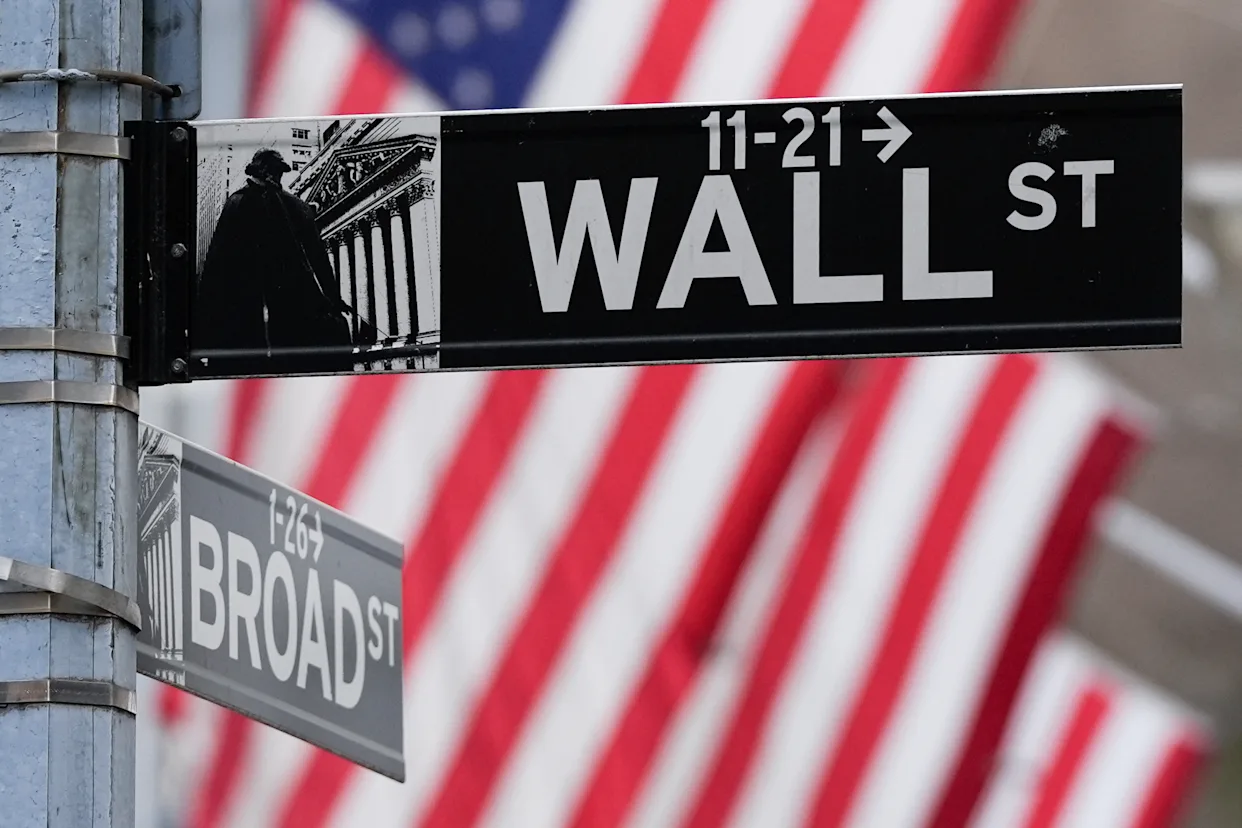
Recent developments in the US economy have sparked a wave of optimism across financial markets, particularly on Wall Street. After months of heightened inflationary pressures and unpredictable market reactions, the latest data suggest a promising slowdown in inflation rates. This easing in inflation not only alleviates fears of runaway prices but also paves the way for more stable financial conditions. As a result, investors and analysts are cautiously optimistic about the future, with market indicators pointing toward a more resilient and predictable economic landscape.
Inflation Eases: What the Data Show
The core of the recent positive sentiment comes from a series of reports highlighting a slowdown in inflation. According to Reuters, the latest figures indicate a significant decline in the Consumer Price Index (CPI), signaling that inflationary pressures are gradually cooling off. This shift provides relief to the markets which have been largely laser-focused on inflation readings over the past year.
Such a slowdown is critical because it influences the monetary policy outlook and the Federal Reserve’s upcoming decisions. As inflation continues to stabilize at lower levels, the Fed may opt for a less aggressive stance on rate hikes, permitting more room for economic growth without the overshadowing concern of overheating.
Market Reactions: Wall Street Inches Higher
Stock Market Gains
The direct impact of easing inflation is evident in the stock markets. As reported by Times of India, US stocks responded positively, with the Dow Jones Industrial Average surging over 300 points, and the S&P 500 experiencing a notable rise. The market’s uptick indicates investor confidence that inflation pressures are no longer as disruptive as they were in previous months.
Wall Street’s optimism is also reflected in the bond yields remaining stable, signifying a balanced perception of the economic outlook by traders and institutional investors alike.
Sector Highlights & Investor Sentiment
Within the broader markets, sectors like technology, consumer discretionary, and healthcare have witnessed upward momentum. These sectors tend to be sensitive to inflation and interest rate changes, so their positive response suggests expectations of a more dovish stance from the Federal Reserve.
Market analysts are also watching the stability in yields, which suggests that bond investors are increasingly confident that inflation will ease further, and the central bank will avoid aggressive rate hikes. The collective market sentiment appears to be leaning toward sustainability and gradual growth rather than abrupt volatility.
Feds and the Inflation Outlook: Maintaining the Course
Despite the recent easing, experts at Yahoo Finance emphasize that the Federal Reserve is likely to stay the course with its policy approach. “The recent inflation figures are unlikely to derail the Fed’s plans for more rate hikes or halting its tightening cycle,” they affirm. This stability in policy approach is essential for maintaining market confidence and preventing sudden shocks.
This view is supported by the fact that inflation readings remain sticky, especially in core services, suggesting that the Fed will need to remain vigilant but cautious about future rate changes.
Consumer Spending & Economic Resilience
Another positive sign coming from recent reports is the continued strength in consumer spending. As highlighted by The Economic Times, household spending remained robust in August, reinforcing the theme of a resilient economy despite the inflation slowdown. Consumer expenditure is a key driver of growth, and its strength indicates confidence among Americans to keep spending, which in turn supports the overall recovery momentum.
Looking Ahead: Challenges and Opportunities
While the current data paint a positive picture, experts caution that inflationary pressures can still resurface. External factors such as global supply chain disruptions, geopolitical tensions, or rises in commodity prices could potentially complicate the outlook. Nonetheless, the current stabilization provides room for policymakers to assess and adapt strategies without urgent market panic.
Investment opportunities are now emerging as the market adjusts to this new inflation landscape. Sectors that benefited from inflation concerns may see a pause or correction, while those poised to gain include consumer staples, technology, and health care — which stand to benefit from a more predictable environment.
Conclusion: A Step Toward Sustainable Growth
The recent trend of easing inflation in the US marks a pivotal moment for financial markets, signaling potential stability and a foundation for sustainable growth. It offers hope that the Federal Reserve’s policies are nearing a balanced point, reducing the risk of abrupt rate hikes that could hamper economic activity.
As investors and policymakers continue to monitor economic signals, the overall sentiment remains cautiously optimistic. The key will be maintaining this stability and ensuring that inflation stays under control without stifling growth.
For more updated news please keep visiting Hourly Prime News.