

The Global Ripple Effect of US Healthcare Decisions
The United States has long been a dominant player in global health initiatives, especially in the realm of vaccination efforts. However, recent shifts in US healthcare policies are causing significant ripples across the world, threatening to undermine decades of progress in controlling preventable diseases. As policies evolve domestically, their consequences stretch beyond borders, impacting countries that rely heavily on global vaccine support and collaboration.
One critical concern is how vaccine patent protections and supply chain disruptions stemming from US policy adjustments influence the accessibility and affordability of vaccines worldwide. When the US tightens its control over vaccine manufacturing or restricts export policies, it inadvertently hampers the global supply chain. Countries like India, which serve as manufacturing hubs and distribution centers for vaccines, find themselves caught in a complex web of policies that can delay or diminish vaccine availability in low and middle-income nations.
Impact of Political Rhetoric on Vaccine Confidence
The politicization of vaccines within the US has profound implications for global public health. High-profile figures such as RFK Jr. and others associated with anti-vaccine movements have gained prominence, seeding doubt and skepticism among the American populace. This anti-vaccine rhetoric often spills over into international perceptions, affecting vaccine acceptance in other countries. When influential voices question vaccine safety or efficacy, it weakens confidence in immunization programs, thereby endangering efforts to eradicate diseases like measles, polio, and COVID-19 worldwide.
For instance, recent campaigns led by anti-vaccine advocates challenge the scientific consensus, citing unfounded safety concerns. These campaigns are not merely domestic issues but influence international health messaging, particularly in developing regions where trust in health systems is fragile. The USA’s stance can either bolster or undermine efforts elsewhere, making it imperative for US policies and political discourse to support fact-based, science-driven vaccination campaigns.
Policy Shifts and Funding Cuts Hampering Vaccine Research
US federal policies have historically prioritized research and development (R&D) in vaccines, contributing to breakthroughs in global health. Yet recent budget cuts and regulatory hurdles threaten to stifle innovation. When funding for agencies like the CDC or NIH diminishes, the capacity to develop, test, and distribute vaccines diminishes accordingly. This slowdown in research affects not only domestic health but also global efforts to respond swiftly to emerging infectious diseases.
Furthermore, an inward-looking approach can reduce collaboration with international agencies, NGOs, and private sector partners. Such partnerships are vital for the rapid development and equitable distribution of vaccines. As the US policymakers prioritize domestic concerns or adopt protectionist policies, the global response to pandemics and endemic diseases risks becoming less coordinated and less effective.
Intellectual Property and Patent Policies: Barriers to Equitable Access
Another crucial aspect involves the US stance on intellectual property rights related to vaccines. While IP protections incentivize innovation, they also hinder the manufacture of cost-effective vaccines in resource-limited settings. The push for stricter patent enforcement can delay the entry of generic or biosimilar vaccines into the market, prolonging global disparities in vaccine access.
Conversely, calls for waivers during health crises, such as the COVID-19 pandemic, have faced resistance from US policymakers. Limiting patent waivers keeps vaccine manufacturing under tight control, reducing supply and increasing prices. This approach disproportionately affects poorer nations, delaying immunization and prolonging the duration of outbreaks.
Domestic Policies and Their Global Consequences
US healthcare policies that focus on privatization, insurance deregulation, or vaccine mandates influence other countries’ health systems. Countries often look to US models for guidance; thus, policy shifts can shape international vaccination strategies either positively or negatively.
For example, policies that weaken public health infrastructure or reduce investment in immunization programs at home can signal a deprioritization of vaccination importance globally. Conversely, policies that support robust funding and equitable access can serve as models for emerging economies. Therefore, US policy orientation plays a critical role in setting global standards and priorities concerning vaccine efforts.
Emerging Challenges and the Anti-Vaccine Movement
The resurgence of anti-vaccine sentiments in the US represents a formidable barrier to achieving herd immunity nationwide and globally. The anti-vaccine movement, often fueled by misinformation and distrust in government or scientific authorities, has gained momentum in recent years. According to recent reports, figures like RFK Jr. have pushed initiatives aimed at limiting vaccine mandates and undermining expert consensus.
This anti-vaccine push not only endangers US citizens but also influences other nations where vaccine acceptance is fragile. Countries with less resilient health misinformation countermeasures find it more challenging to sustain immunization campaigns when faced with skepticism propagated by high-profile figures in the US.
The Broader Public Health Implications
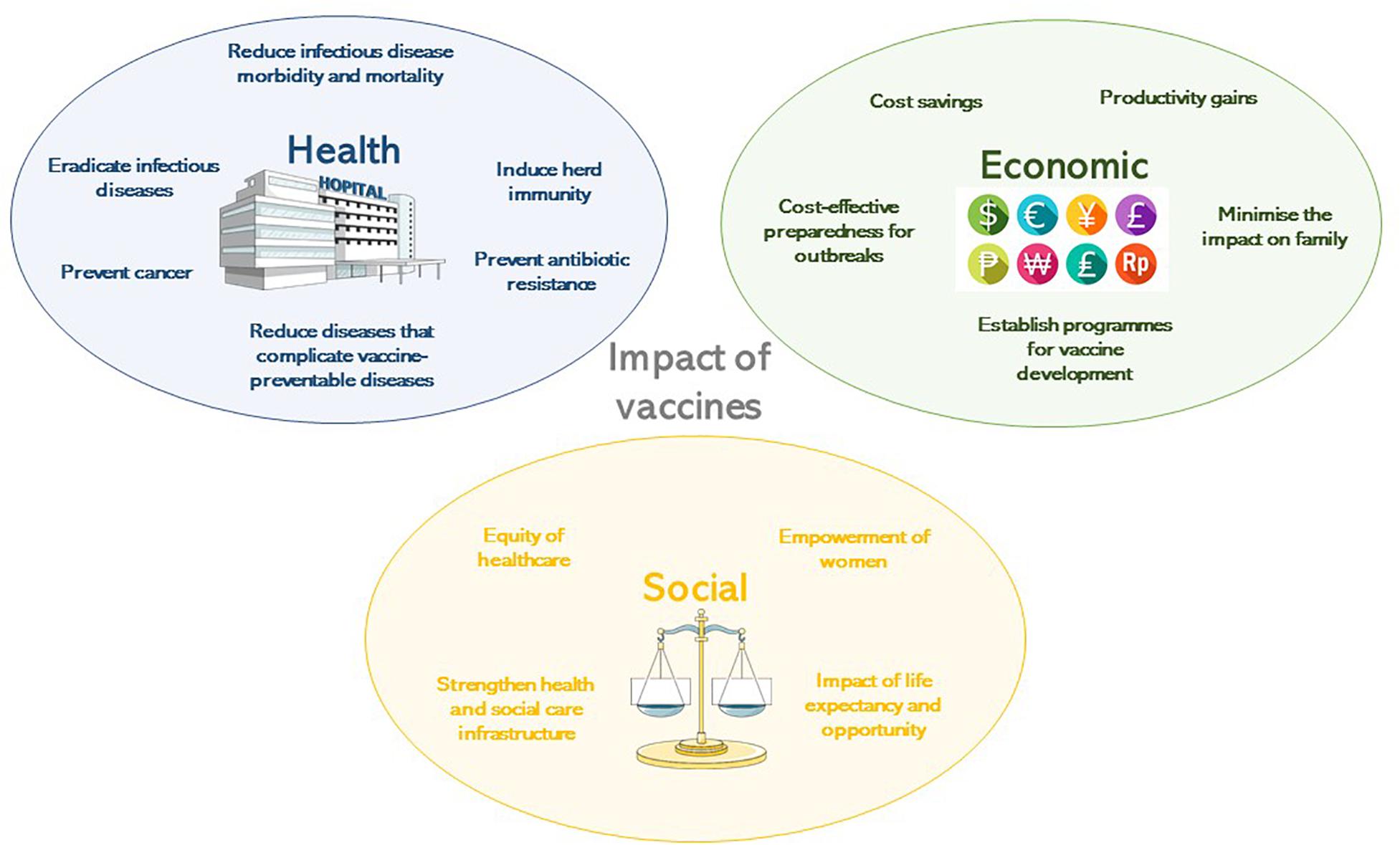
When immunization coverage declines due to policy shifts or misinformation, the WHO and other international bodies warn of resurgence risks. Diseases once thought under control—such as measles and polio—are making comeback appearances in several regions. This setback is not only a health crisis but also an economic and developmental challenge, particularly for vulnerable populations.
Additionally, delays in vaccine development, approval, and distribution caused by US regulatory changes can hinder global preparedness for future pandemics. The interconnected nature of health security makes it clear that US policies have a domino effect far beyond its borders, emphasizing the need for a balanced, science-based approach rooted in global solidarity.
Conclusion: The Need for a Cooperative, Science-Driven Approach
In conclusion, US healthcare policies wield tremendous influence over global vaccine efforts and public health outcomes. Policies that prioritize short-term domestic gains at the expense of international collaboration threaten to undo years of progress against infectious diseases. To secure a healthier future worldwide, the US must recommit to policies that support vaccine research, equitable access, and evidence-based public health strategies.
Global health challenges require collective action; US policies should serve as catalysts, not barriers, for collaborative efforts to end preventable diseases. Recognizing the interconnectedness of our health systems is vital in forging policies that promote resilience, trust, and innovation for a healthier, safer world.
For more updated news please keep visiting Hourly Prime News.