

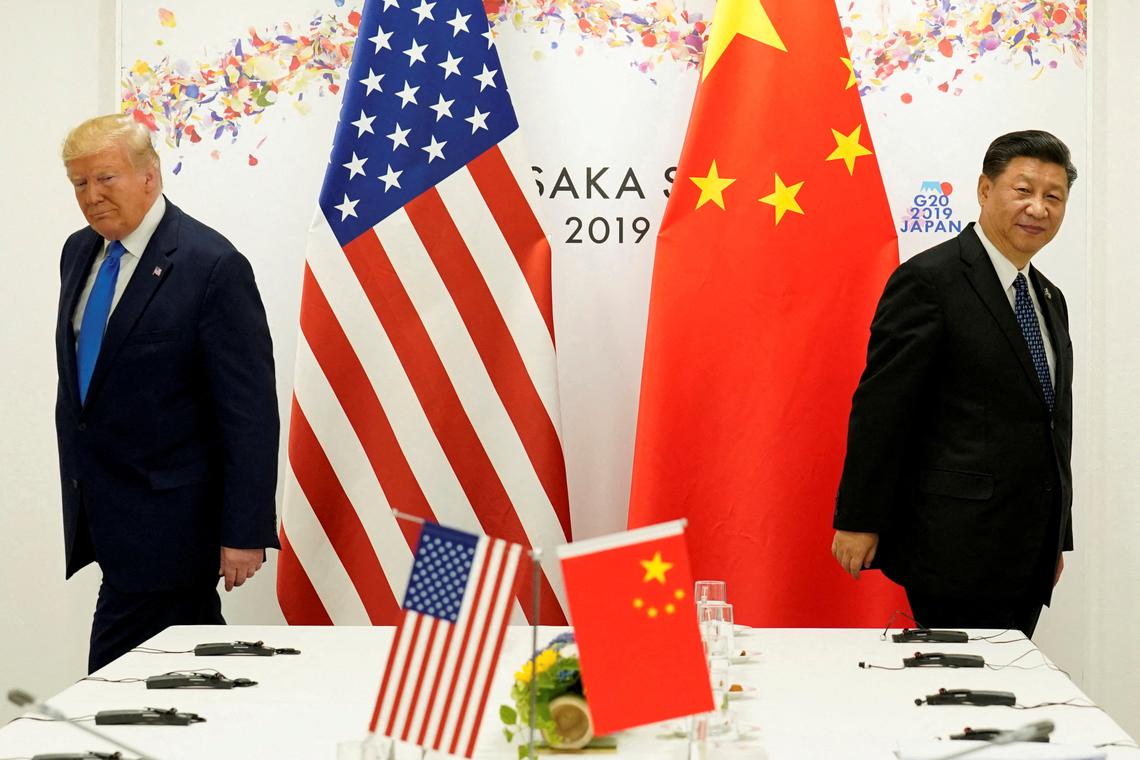
Trump-Xi Summit Highlights
The trade relationship between the United States and China remains a focal point of global economic discourse, especially at a time when diplomatic signals hint at a potential high-level summit between President Donald Trump and President Xi Jinping. Recently, the US government announced an extension of the existing tariffs on China, delaying tariff escalations for another 90 days. This move signals a cautious step towards de-escalation, possibly paving the way for renewed negotiations or even a summit that could reshape the economic landscape.
The Context Behind the Tariff Extension
Since 2018, the trade war between the US and China has been characterized by a series of tariffs imposed on billions of dollars worth of goods, aiming to address concerns over intellectual property theft, trade imbalances, and unfair trading practices. The tariffs have had wide-ranging impacts on global supply chains, commodity prices, and international market stability.
In recent months, however, both nations have shown signs of diplomacy. The US has moved to extend the tariff truce multiple times, aiming to avoid further escalation while negotiations continue behind the scenes. The latest extension, for 90 days, is viewed by analysts as an opportunity for both sides to recalibrate their approaches and determine whether a broader deal or a high-level summit is feasible.
The Significance of the 90-Day Extension
This extension is significant for several reasons:
- Stabilization of Markets: By delaying tariff hikes, market volatility is reduced, allowing businesses and investors to operate with more certainty.
- Opportunity for Negotiations: The extension provides a window during which US and Chinese negotiators can iron out issues without the pressure of imminent tariffs.
- Diplomatic Signals: It indicates a willingness from both sides to continue dialogue, possibly setting the stage for a summit.
The US government’s formal order to extend tariffs was signed amidst mounting speculation that President Trump and President Xi Jinping might meet soon. Such a summit could serve as a pivotal moment to negotiate on tariffs, intellectual property rights, technology transfer, and broader economic cooperation.
Potential Outcomes and Implications
What Could a Trump-Xi Summit Achieve?
If the high-level talks come to fruition, several outcomes are possible:
- Trade Deal Reinforcement: Both leaders might reaffirm commitments made previously, potentially rolling back some tariffs or agreeing to new trade frameworks.
- Addressing Core Issues: Major sticking points like intellectual property rights, forced technology transfer, and cybersecurity could be addressed directly.
- Strategic Stability: A summit could ease geopolitical tensions, fostering a more stable environment for international trade and cooperation.
Risks and Challenges
Despite the optimism, there are hurdles:
- Unmet Expectations: Negotiations may fall short of expectations, leading to renewed hostility or escalation.
- Internal Political Pressures: Both Trump and Xi face domestic pressures that influence their negotiation stances—US concerns over trade deficits and Chinese priorities for sovereignty and economic growth.
- Global Economic Uncertainty: Broader issues such as pandemic recovery, global supply chain disruptions, and geopolitical tensions could complicate negotiations.
International Reactions and Market Impact
Market participants watch these developments closely. The extension has been perceived positively by global investors, contributing to a modest rise in stock markets and currency stability. However, caution persists, as unresolved issues could re-emerge once the extension expires.
International partners, including the European Union and other Asian economies, are also keenly observing the US-China relationship, as global supply chains and trade routes are deeply interconnected with these two economic giants. A successful summit could bolster confidence worldwide, whereas a breakdown might deepen global economic uncertainties.
What to Expect Moving Forward
Short-Term Outlook
Over the next 90 days, diplomatic activities are expected to intensify. Both sides could engage in frequent talks, backchannel negotiations, and possibly formal summit preparations. Furthermore, businesses will keep a keen eye on tariff policies, adjusting their strategies accordingly.
Long-Term Implications
The outcome of this extension—and the potential summit—will likely set the trajectory for US-China economic relations in the coming years. A positive resolution could lead to sustained trade cooperation and a less confrontational approach to global economic governance.
Conversely, if negotiations stall or break down, we might see renewed tariffs, retaliations, and increased economic fragmentation. This scenario could cause ripple effects across global markets, affecting supply chains, commodity prices, and investment flows.
Conclusion
The US’s decision to extend the China tariff truce for another 90 days marks a tentative but potentially transformative phase in the ongoing trade dialogue. As speculation about a possible Trump-Xi summit grows, the next few months will be critical in shaping the future of international trade relations between two of the world’s largest economies. Diplomatic prudence, mutual concessions, and strategic vision will be key to turning this extension into a broader agreement that benefits not just the US and China, but the global economy as a whole.
Developments within this period could define the tone of US-China relations well into the next decade, emphasizing diplomacy over confrontation, economic cooperation over rivalry.
In a world eager for stability and growth, the hopes rest on these high-stakes negotiations—where every move counts.
For more updated news please keep visiting Hourly Prime News.