

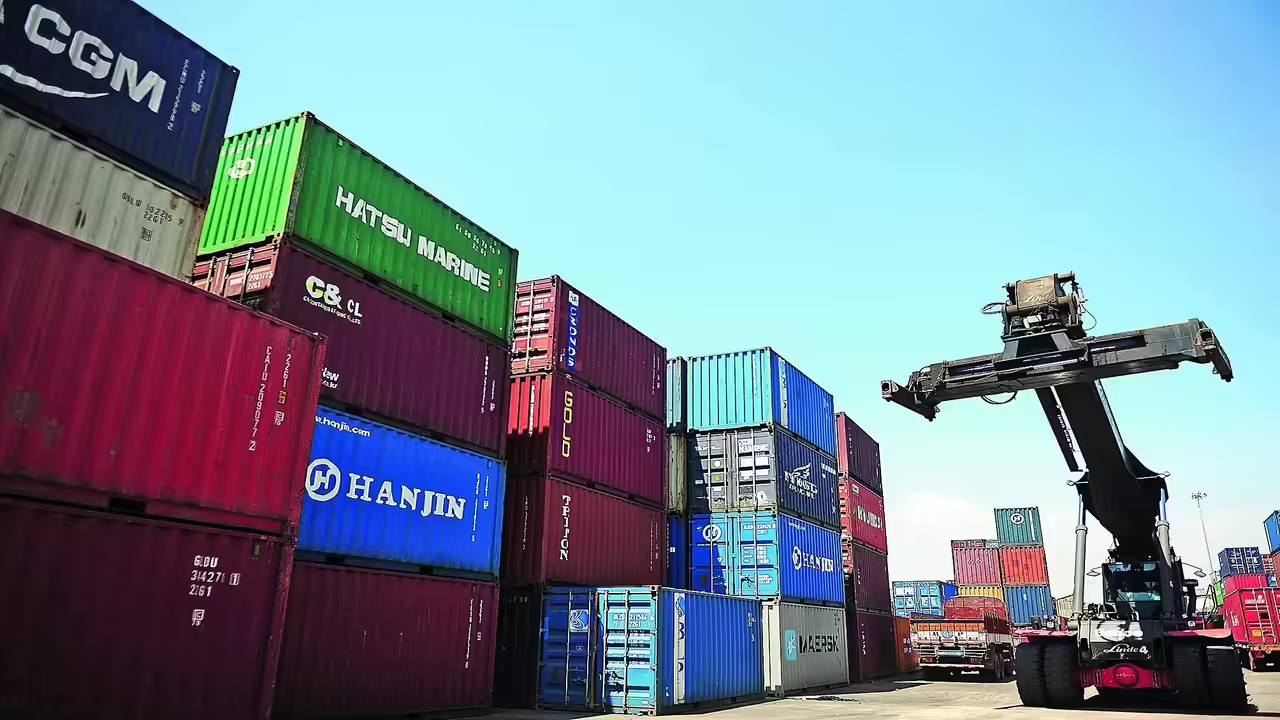
In recent months, the global trade landscape has experienced a remarkable transformation, with US exports outpacing overall economic growth by a staggering margin. According to recent reports, exports to the United States increased at a rate **seven times faster** than the general growth of international trade, signaling a significant shift in global market dynamics. This phenomenon not only highlights the resilience and strength of certain exporting nations but also underscores changing patterns in international trade relations.
Understanding the Surge in US Exports
Unpacking the Data
The Times of India reports that the rise in exports to the United States is unprecedented, with the growth rate being approximately **seven-fold** compared to the overall rise in global exports. This surge indicates that countries across various continents are increasingly targeting the US market, driven by a multitude of factors including economic recovery, supply chain realignments, and shifting consumer demands.
Specifically, the data suggests that while global exports may have experienced moderate growth, the exports destined for the US have expanded at an exponential rate. This differential growth underscores the importance of the US as a pivotal market for international trade and highlights shifts in global supply chain strategies.
Factors Driving the Exceptional Growth
1. Revitalization of US Economy
The rapid economic recovery post-pandemic has been a significant catalyst for increased imports and exports. As consumer confidence and spending levels rebound, US demand for various goods—ranging from raw materials to finished products—has soared. Countries eager to tap into this burgeoning market are ramping up their exports accordingly.
2. Supply Chain Realignments
Recent disruptions caused by the pandemic forced many companies to re-evaluate and diversify their supply chains. A trend towards reshoring and nearshoring has emerged, with several businesses seeking closer proximity to their end markets, notably the US. This reconfiguration has led to increased logistical activity and export volumes from certain regions.
3. Shifts in Consumer Preferences
There has been a noticeable shift in global consumer preferences, with a higher demand for technological gadgets, healthcare equipment, and eco-friendly products—categories that the US imports in large quantities. The pandemic also accelerated the adoption of e-commerce, further boosting international trade activities aimed at satisfying American consumers.
Impact on Exporting Countries
Opportunities for Exporters
This surge presents substantial opportunities for exporting nations, particularly those in Asia, Europe, and Latin America, which have strengthened their trade ties with the US in recent times. Exporters are now exploring new markets, increasing production capacities, and investing in quality enhancements to meet rising US demand.
- Asia: Countries like China, India, and Vietnam are experiencing record export volumes, driven by competitive pricing and manufacturing prowess.
- Europe: The European Union has ramped up exports of machinery, pharmaceuticals, and luxury goods to the US.
- Latin America: Regions such as Mexico and Brazil are benefiting from proximity and regional trade agreements, boosting their export figures significantly.
Challenges Faced
However, this rapid growth also presents challenges:
- Supply chain bottlenecks due to increased demand.
- Logistical constraints in ports and transportation sectors.
- Compliance with US trade regulations and standards.
- Fluctulating currency rates impacting export competitiveness.
What Does This Mean for the Global Economy?
Trade Balance and Economy
The disproportionate growth in exports to the US could influence the trade balances of exporting nations, potentially leading to trade deficits or surpluses. Countries that capitalize effectively on this trend are likely to see economic benefits, including increased foreign exchange reserves and job creation in manufacturing and logistics sectors.
Geopolitical Implications
This surge also has geopolitical dimensions. Strong trade ties with the US can foster diplomatic relationships, create economic dependencies, and influence international policy decisions. Countries are now strategically positioning their trade policies to leverage the US market’s growth potential.
Future Outlook and Strategic Recommendations
Businesses Should Prepare for Continued Growth
Given the current trajectory, businesses involved in international trade should:
- Invest in supply chain resilience and diversification.
- Enhance compliance frameworks to meet US regulations.
- Adopt technological solutions for supply chain automation and tracking.
- Expand product portfolios to meet evolving consumer preferences in the US.
Policy Makers Need to Facilitate Sustainable Growth
Governments can also play a role by:
- Streamlining export procedures and reducing bureaucratic hurdles.
- Improving trade facilitation infrastructure.
- Negotiating trade agreements that favor fair and balanced growth.
- Supporting industries in meeting international standards.
Conclusion
The recent report indicating that US exports have grown **seven times faster** than the overall international trade expansion marks a landmark moment in global commerce. It reflects not only the strength of the US economy but also signals a shift in global trade dynamics where certain regions are capitalizing on US demand in unprecedented ways. This trend offers significant opportunities but also warrants strategic planning and resilience-building for exporting nations and businesses.
As the global economy continues to evolve, staying informed and agile will be essential for businesses seeking to harness these opportunities. The US’s role as a major trade hub remains vital, and the current growth trajectory suggests a promising future for exporters aligned with US market needs.
For more updated news please keep visiting Hourly Prime News.