

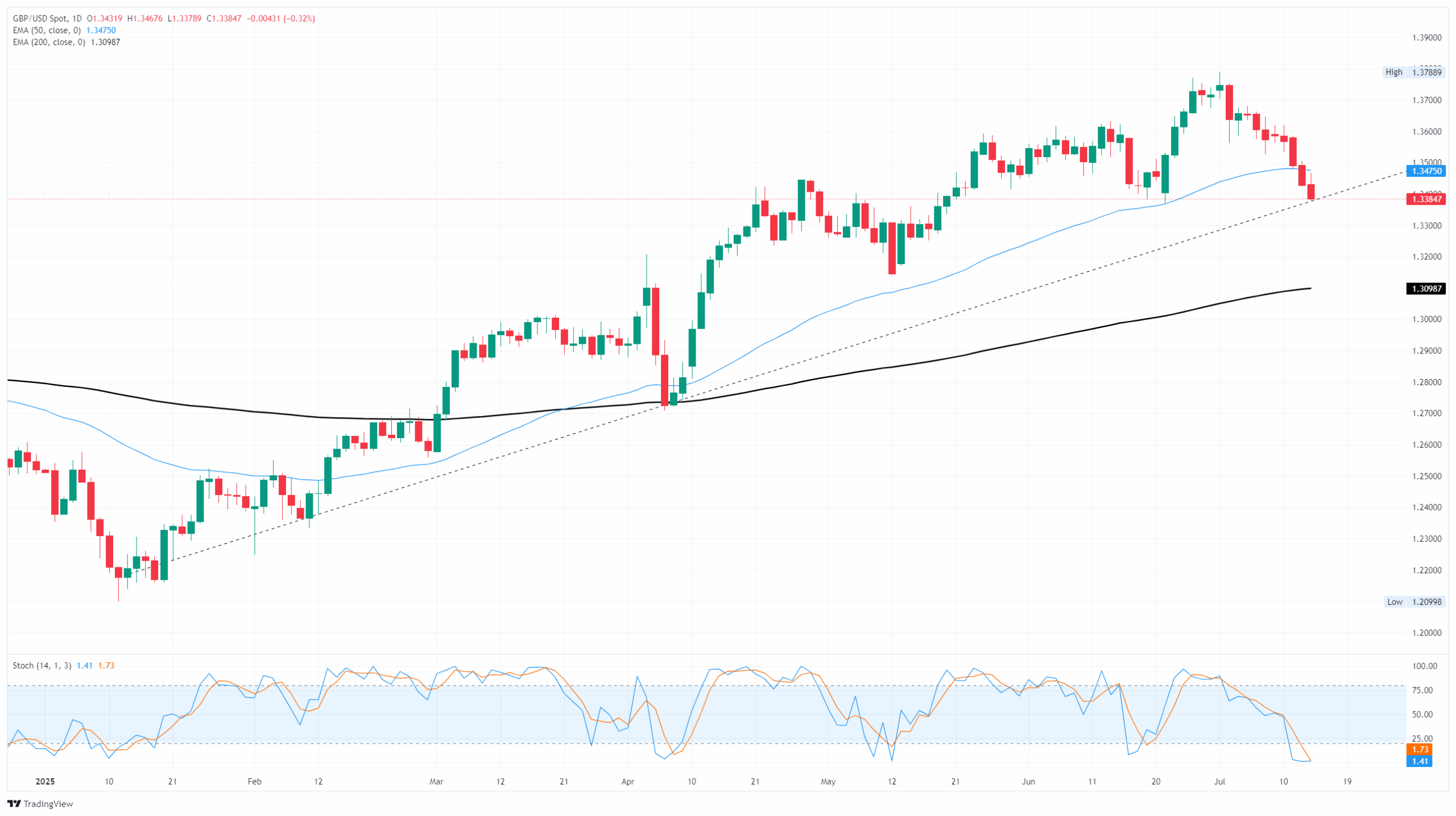
The Recent Trajectory of the US Dollar Index
The US Dollar Index, a crucial measure of the dollar’s performance against a basket of major currencies, has recently been exhibiting a pattern of rally and consolidation. Following a significant surge triggered by the latest Consumer Price Index (CPI) data, the index is now consolidating, reflecting a period of stability and market hesitation. This recent movement signifies a thoughtful pause in the currency markets, as traders digest crucial economic indicators and geopolitical developments. Understanding the dynamics behind this consolidation is essential for investors, policymakers, and forex enthusiasts seeking to grasp the broader implications for the US dollar and global financial markets.
The CPI-Induced Rally: What Sparked the Surge?
The rally in the US Dollar Index was primarily fueled by the release of the latest CPI figures, which indicated evolving inflation levels within the United States. A lower-than-expected inflation rate or signs of easing inflation often bolster the dollar, as they reduce fears of aggressive interest rate hikes by the Federal Reserve. Conversely, inflation data that remains persistent or surging can have mixed impacts, but in this instance, the data suggested that inflationary pressures might be moderating, leading to increased confidence in the dollar’s strength.
FXStreet reported that the US Dollar Index, after the CPI release, experienced an impressive rally, pushing beyond previous resistance levels. Investors interpreted this development as a signal of the Fed’s possible caution in tightening monetary policy further, which in turn supported the dollar’s upward momentum. This rally was also bolstered by broader economic optimism and increased safe-haven demand amidst geopolitical uncertainties.
The Consolidation Phase: A Market Pause
Following the initial rally, the US Dollar Index has transitioned into a period of consolidation. Such phases are common in financial markets after sharp movements, as traders and investors closely evaluate upcoming economic data, geopolitical developments, and Central Bank signals.
During this consolidation, the index hovers around key support and resistance levels, with reduced volatility. The market participants appear cautious, possibly awaiting further clues before committing to larger positions. This behavior aligns with typical market psychology, where after significant moves, markets prefer to ‘pause and assess’ before resuming any prolonged trend.
According to FXStreet, the dollar’s current state suggests that traders are weighing the recent CPI data against upcoming employment reports and Fed communications. Consequently, the dollar’s direction remains fluid, reflecting a battle between bulls and bears seeking clearer signals on the future monetary stance.
Factors Supporting the Dollar’s Stability During Consolidation
- Inflation Trends: The moderation of inflation fuels expectations that the Fed might slow the pace of interest rate hikes, thus maintaining dollar strength without aggressive tightening.
- Interest Rate Differentials: The differential between US interest rates and those of other major economies, like the Eurozone or Japan, continues to support the dollar, especially if the Fed shows resilience in its tightening stance.
- Safe-Haven Demand: Geopolitical tensions and global economic uncertainties maintain the dollar’s status as a safe-haven currency, supporting its stability during periods of market fluctuation.
- Technical Support Levels: Technical analysis indicates that the index is consolidating around significant support levels, which could prevent deeper declines unless new economic data trigger a breakout.
Implications of the Consolidation for Forex Traders
For forex traders, this phase of consolidation offers both challenges and opportunities. On one hand, the subdued volatility might diminish short-term profit opportunities; on the other hand, it signals potential for a breakout in either direction once fresh catalysts emerge.
Traders are likely to focus on upcoming economic releases, such as employment figures, retail sales, or inflation reports, to gauge the next directional move. Technical indicators like RSI, MACD, and support/resistance levels will guide tactical entries or exits. Caution is advised during consolidation phases, as false breakouts can occur, leading to quick losses if not carefully monitored.
Market Sentiment and Broader Impacts
The overall market sentiment remains cautiously optimistic, with participants projecting that the dollar’s current stability might precede another move higher or a reversal. The broader implications extend to commodities, equities, and cross-border trade. A steady dollar can influence import prices, corporate earnings, and inflation expectations, shaping central bank policies worldwide.
For instance, a strong or stable dollar tends to dampen commodity prices such as oil and gold, which are usually priced in dollars. Conversely, a weakening or volatile dollar could lift these markets, impacting inflation and global economic stability.
Looking Ahead: What’s Next for the US Dollar Index?
As the markets await further economic data, the focus remains on several key indicators and events:
- Upcoming Fed Statements: Clarity on the Fed’s future interest rate trajectory will significantly influence dollar direction.
- Employment and Wage Data: Labor market strength or weakness will impact expectations of inflation and monetary policy adjustments.
- Global Geopolitical Developments: Tensions or resolutions in international conflicts and trade negotiations influence risk sentiment and dollar demand.
While the current consolidation phase suggests caution, it also indicates a potential buildup for the next significant move. Investors should stay attentive to macroeconomic news and technical signals to navigate the coming weeks effectively.
Conclusion
The US Dollar Index’s recent behavior exemplifies the nuanced interplay between economic data, monetary policy expectations, and global risk sentiment. After an impressive CPI-driven rally, the index’s stabilization reflects a cautious market awaiting further clarity. This consolidation period offers opportunities for strategic positioning, but also warrants vigilance against false signals. As market conditions evolve, the dollar’s trajectory will remain a critical indicator of economic health and a barometer of global financial stability.
In summary, the US Dollar Index’s recent stability signifies a thoughtful market pause following a CPI-fueled rally. Traders must monitor upcoming data releases and central bank communications to anticipate the next move, all while maintaining a careful stance amidst ongoing geopolitical and economic uncertainties.
For more updated news please keep visiting Hourly Prime News.