

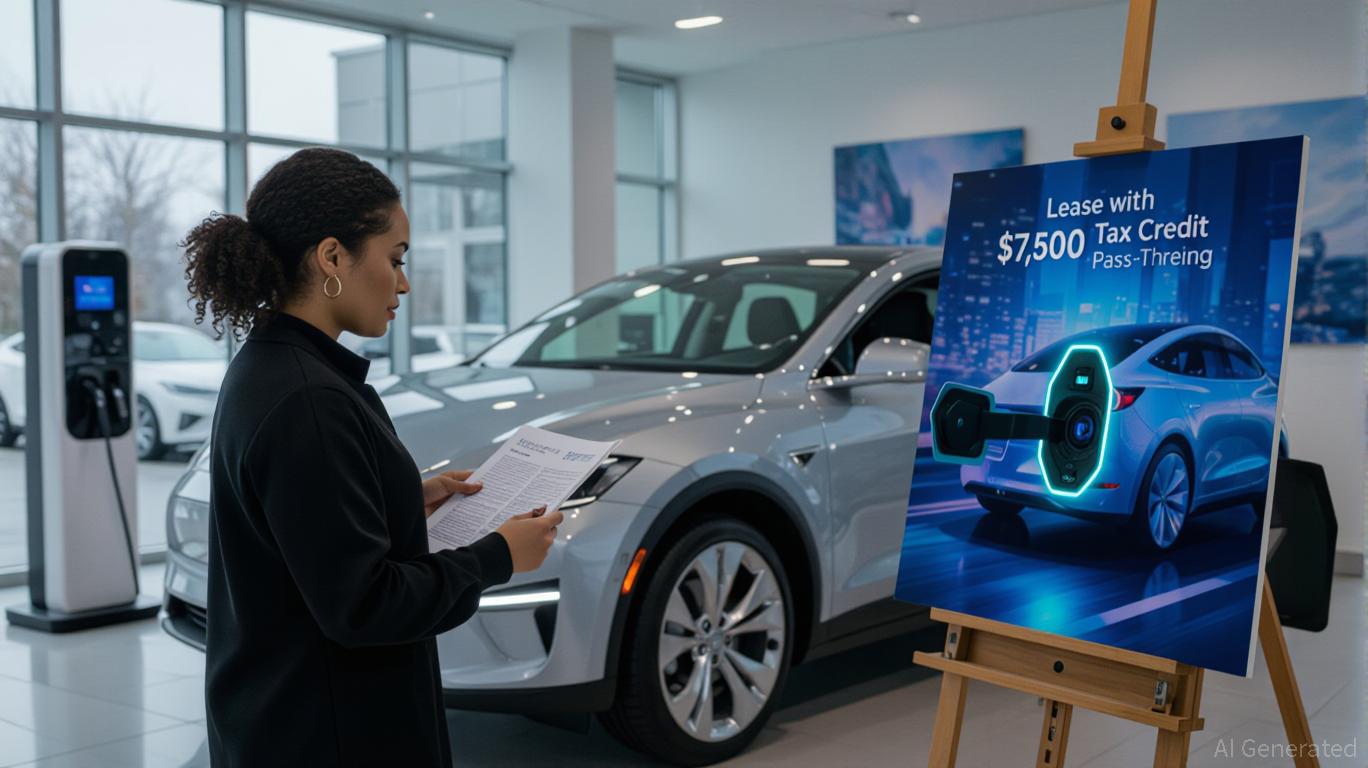
The landscape of the American automotive industry is undergoing a significant transformation. With the push towards electric vehicles (EVs) gaining momentum, government incentives such as EV credits have played a crucial role in encouraging consumers to adopt cleaner transportation options. However, recent developments have introduced new challenges that are reshaping this market. Notably, the expiration of EV credits and the surge in tariffs are forcing automakers to reconsider their strategies, leading to a notable shift in who bears the financial burden — ultimately passing increased costs directly onto consumers.
The Role of EV Credits and Tariffs in Shaping Industry Economics
The Impact of EV Credits
Electric Vehicle incentives or credits are typically offered by the government to make EVs more affordable for consumers. These subsidies serve as a catalyst for increased adoption, helping manufacturers clear inventory and encouraging consumers to switch from traditional internal combustion engines to electric alternatives. However, when the EV credits expire, this initial financial advantage diminishes, making EVs relatively more expensive for buyers.
The Rising Tariffs and Their Effect
Adding to the woes of automakers are mounting tariffs, which have been implemented over the years as part of trade policies. These tariffs increase the cost of imported materials and components critical to EV manufacturing, such as batteries and electronic systems. As tariffs increase, the overall production cost for EVs rises, further putting pressure on automakers’ profit margins. To maintain profitability, many manufacturers have found no choice but to transfer these additional costs to consumers.
How Automakers Are Shifting Costs to Consumers
Strategic Price Adjustments
Due to the combined effect of expired EV credits and heightened tariffs, automakers are increasingly raising the prices of their electric models. Instead of absorbing these costs, manufacturers are choosing to pass them directly to the end-users. This shift results in a less affordable EV market for consumers who previously benefited from government incentives and competitively priced vehicles.
Reduced Incentives for Buyers
Before the expiry of EV credits, consumers often enjoyed substantial savings, making electric vehicles more accessible. Now, without these incentives, the onus is on the consumer to shoulder the full cost. Moreover, the higher prices may influence consumer decision-making, leading some to delay or reconsider their EV purchases altogether, potentially slowing the overall adoption rate.
Implications for the US Automotive Industry
Market Dynamics and Consumer Behavior
The increased costs are likely to alter market dynamics significantly. Potential buyers might opt for lower-priced internal combustion engine vehicles or consider used EVs, which are usually more affordable. This shift could impact new EV sales and slow the momentum toward electrification that automakers and policymakers have been striving for.
Automaker Strategies and Responses
Manufacturers are deploying various strategies to contend with these challenges, including:
- Introducing more budget-friendly models that can still be profitable despite reduced incentives
- Expanding affordable leasing options to lower the upfront cost for consumers
- Investing in domestic battery production to reduce dependency on imported materials and tariffs in the long run
Long-Term Industry Outlook
Though current market conditions pose hurdles, they may also catalyze industry innovation and efficiency improvements. Automakers could accelerate research into alternative battery chemistries and manufacturing methods to lower costs. Additionally, increased focus on local sourcing of parts could mitigate the impact of tariffs over time. Ultimately, these developments could lead to a more resilient and cost-effective EV ecosystem, although the short-term effects are likely to include higher prices for consumers.
Government Policy and Future Prospects
Governments are continually adjusting their policies to promote clean transportation. While the expiration of EV credits removes a financial incentive for consumers, policymakers may introduce new initiatives to stimulate adoption, such as tax rebates, investment in charging infrastructure, or stricter emission standards. The balance between regulatory incentives and economic pressures will significantly influence how the industry evolves.
Consumer Advocacy and Industry Responsibilities
As costs increase, consumer advocacy groups are urging automakers and policymakers to ensure affordable access to EVs. Transparent pricing, flexible financing options, and targeted incentives could help maintain the momentum toward electrification. Industry players must also prioritize customer value and affordability to avoid a slowdown in EV adoption.
Conclusion
The decision by US automakers to pass higher costs onto buyers amid the end of EV credits and escalating tariffs marks a pivotal moment in the industry’s transition. While challenges are evident, this shift could ultimately stimulate innovation and efficiency, paving the way for a more sustainable and resilient automotive future. Consumers and industry stakeholders alike will need to navigate these changes carefully to ensure continued progress in electric mobility.
Final Thoughts
As the scenario develops, it remains to be seen how automakers will balance profitability with consumer accessibility. Policymakers also play a critical role in shaping future incentives that could ease this transition. What is certain is that the next phase of the EV revolution in the US will require adaptive strategies, collaborative efforts, and a shared commitment to sustainable progress.
For more updated news please keep visiting Hourly Prime News.