
The world faces an unprecedented challenge in safeguarding the future of education as global crises continue to unfold with alarming intensity. The latest Education in Danger Monthly Brief, May 2025 by ReliefWeb highlights the critical plight facing educational systems worldwide. This report underscores urgent needs and calls for collective action to protect access to quality education for vulnerable populations amid ongoing crises.
The Escalating Global Crisis and Its Impact on Education
Understanding the Magnitude of the Crisis
May 2025 marks a pivotal point in global history, as multiple crises—ranging from political instability, armed conflicts, economic downturns, to climate-induced disasters—have collectively placed unprecedented pressures on educational infrastructures. According to the Lesson from the May 2025 Report, the educational landscape is rapidly deteriorating in many regions, especially where conflict zones coincide with poor governance and economic instability.
- Disrupted Learning: Displacement of children and teachers due to violence and destruction of schools.
- Infrastructure Damage: Widespread damage to school buildings—including destruction, neglect, and inadequate facilities—hindering access to safe learning environments.
- Resource Scarcity: Severe shortages of learning materials, trained educators, and essential utilities like electricity and clean water.
- Psychosocial Impact: Trauma and mental health issues among students and teachers caused by ongoing crises, affecting their well-being and capacity to learn or teach effectively.
The Consequences of Neglecting Education During Crises
Long-term Socioeconomic Effects
Failing to prioritize education during these turbulent times risks creating a lost generation. Children who are deprived of schooling face challenges not only in personal development but also in contributing positively to their communities and economies in the future. Studies within the report emphasize that interrupted education correlates with increased unemployment, poverty, and social unrest in the long run.
Widening Inequality Gaps
The crisis exacerbates existing educational disparities. Vulnerable groups—such as refugees, internally displaced persons, girls, and children with disabilities—are disproportionately affected, further entrenching inequality. This division hampers efforts towards sustainable development goals related to quality education for all.
Strategies and Urgent Actions to Protect Education
Emergency Response and Immediate Relief
As outlined in the Daily Brief, immediate actions are essential to mitigate the crisis’s impact on education. These include:
- Establishing Safe Learning Spaces: Temporary learning centers equipped with basic resources and security measures.
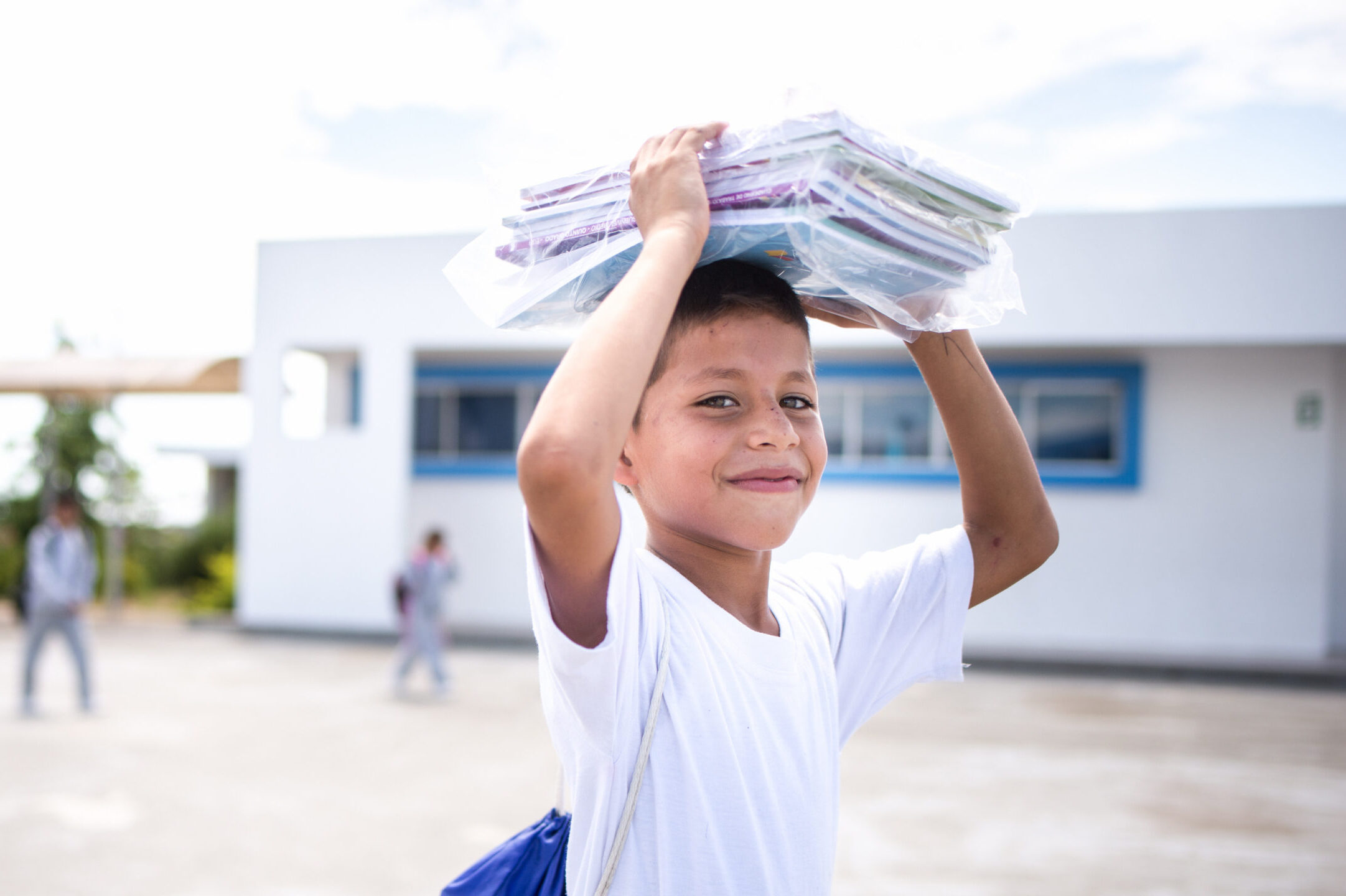
- Provision of Educational Supplies: Distribution of books, stationery, and digital devices to ensure continuous learning.
- Training and Supporting Educators: Psychological support and training to adapt to remote or flexible teaching methods under crisis conditions.
- Community Engagement: Local involvement to rebuild trust, support children’s education and facilitate safe access to schools.
Leveraging Technology for Education Continuity
The integration of digital tools can serve as a lifeline for disrupted education systems. Virtual learning platforms, radio and TV broadcast lessons, and mobile learning applications are vital in reaching children in remote or conflict-affected zones. However, addressing digital divides remains crucial to ensure equitable access for all.
Policy Reforms and Long-Term Investment
Protection of education must be embedded into national and international policies. Governments should prioritize:
- Allocating Emergency Funds: To rebuild and maintain educational infrastructure.
- Developing Resilient Education Systems: That can withstand crises and adapt swiftly.
- Inclusive Education Policies: Ensuring marginalized groups are not left behind.
- Partnerships and Funding: Collaborating with international agencies, NGOs, and the private sector to mobilize resources and expertise.
Global Solidarity and Collective Responsibility
The current crisis underscores the importance of a unified, global response. Education must be prioritized alongside health and security efforts to ensure no child is denied the right to learn. International organizations, governments, civil society, and local communities must band together to protect educational access as an integral part of crisis management.
Empowering Local Communities
Local stakeholders are instrumental in designing context-specific solutions that reflect the unique needs on the ground. Community-based programs, local capacity building, and culturally sensitive approaches are critical for sustainable impact.
Looking Ahead: Ensuring Resilience and Recovery
While the current crises pose significant challenges, they also offer an opportunity to rethink and rebuild education systems to be more resilient. Building back better involves investing in infrastructure, technology, teacher training, and inclusive policies that safeguard education against future shocks.
It is imperative that global leaders, policymakers, and all stakeholders act decisively now. Protecting education in times of crisis is not merely a moral obligation but a strategic necessity for securing a sustainable and equitable future for all children.
Conclusion
May 2025 has highlighted the pressing need to intensify efforts to protect our educational systems amid ongoing global crises. The lessons learned from the recent report call for immediate action, innovative solutions, and unwavering commitment at all levels. The future of countless children depends on our collective resolve to safeguard their right to learn, grow, and succeed regardless of circumstances.
In the face of adversity, resilience and proactive measures can turn the tide towards an inclusive, equitable, and enduring educational future. This is the moment to prioritize and invest in education—because every child deserves the chance to build a better tomorrow.
For more updated news please keep visiting Hourly Prime News.