

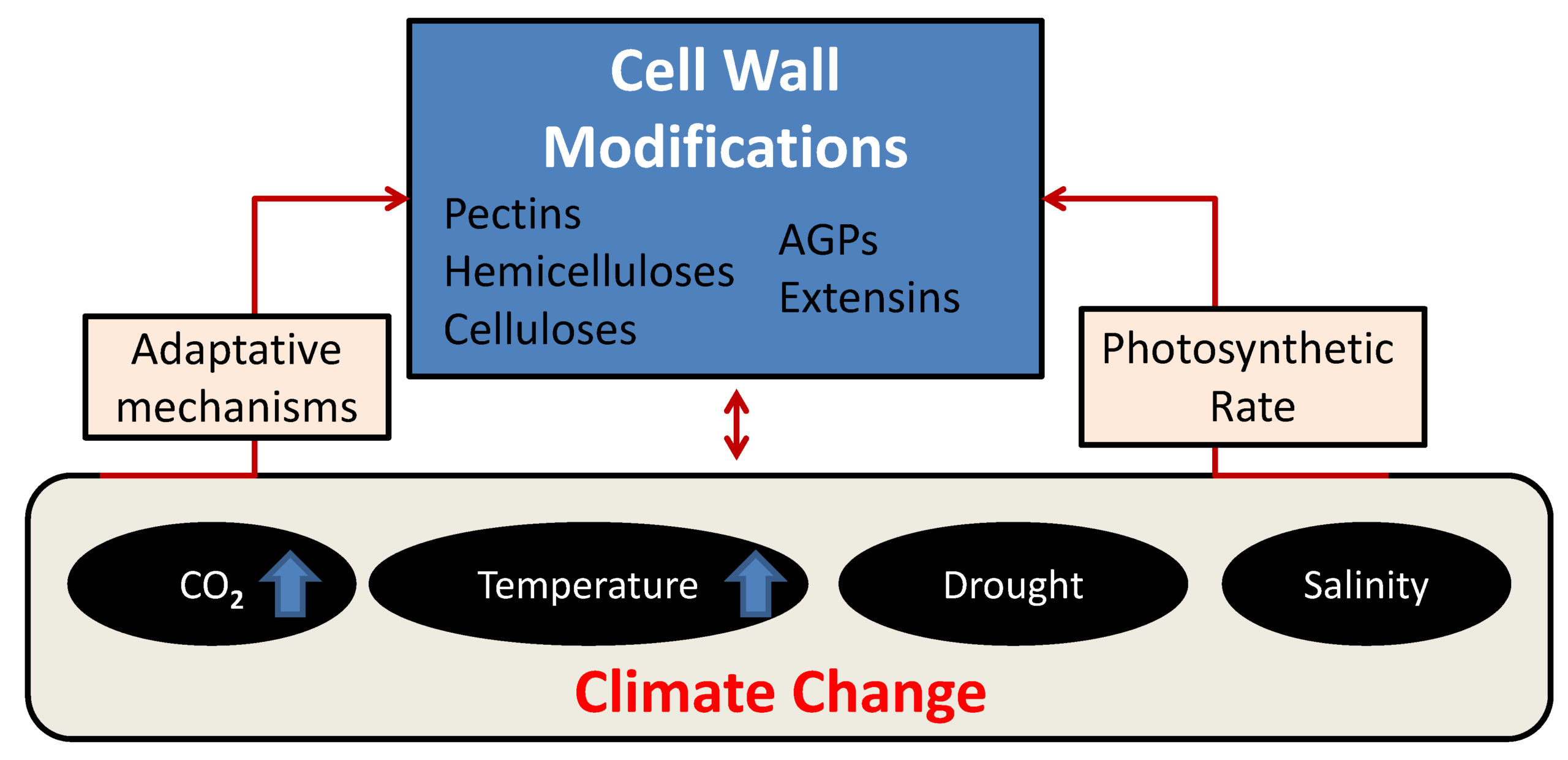
Plants are the backbone of life on Earth, essential for maintaining ecological balance and providing vital resources such as food, fiber, and fuel. A key aspect of plant physiology that influences their growth, resilience, and adaptability is the structure and mechanics of their cell walls. Recent advances in plant science highlight the critical role of plant cell wall mechanics in developing sustainable growth strategies, which can revolutionize agriculture, bioengineering, and environmental conservation.
Introduction to Plant Cell Walls: The Structural Foundation
The plant cell wall is a complex and dynamic structure that surrounds the cell membrane, providing mechanical support and defining the cell’s shape. Composed primarily of cellulose, hemicelluloses, pectins, and proteins, the cell wall functions as both a protective barrier and a facilitator for growth and communication. Understanding its mechanics is essential to optimize plant development, especially under environmental stresses.
Unlike animal cells, which have flexible membranes, plant cells are encased in rigid walls that must accommodate cell expansion during growth. This expansion depends heavily on the mechanical properties of the cell wall, which must balance strength with flexibility to allow for cell enlargement without compromising integrity.
The Role of Mechanics in Plant Growth and Morphology
Recent research evidences that the mechanical properties of cell walls directly influence plant morphology, including leaf shape, stem strength, root penetration, and overall plant architecture. Mechanical cues can guide directional growth (known as tropism) and influence how plants respond to their environment. For example, the stiffness or plasticity of the cell wall determines how a plant can stretch or resist external forces like wind and gravity.
This understanding enables scientists to manipulate wall mechanics for desired outcomes, such as increased crop yield, improved stress resistance, and optimized form development. Recognizing the interplay between mechanical properties and biological signals leads to promising avenues for engineering plants with tailored traits.
Innovations in Measuring and Modulating Cell Wall Mechanics
Advances in microscopy, spectroscopy, and computational modeling have made it possible to precisely measure plant cell wall mechanics at cellular and molecular levels. Techniques such as atomic force microscopy (AFM) allow scientists to assess the elasticity and stiffness of cell walls directly, revealing how different components contribute to overall mechanical behavior.
Moreover, genetic engineering approaches enable the modification of key cell wall components. For instance, by altering cellulose synthesis pathways or pectin cross-linking, researchers can produce plants with customized wall properties. This precise manipulation fosters growth under challenging conditions like drought, salinity, or poor soil quality.
Sustainable Strategies Derived from Cell Wall Mechanics
1. Enhancing Crop Resilience
- Stress-tolerant crops: By understanding how cell wall mechanics contribute to stress responses, breeders can develop varieties with enhanced resistance to environmental pressures. For example, plants with stiffer cell walls may resist wind damage or pathogen invasion better.
- Water use efficiency: Modifying wall flexibility can influence transpiration and water retention, leading to crops that require less water—a crucial trait amid climate change and water scarcity.
2. Improving Biomass Production for Biofuels
- Optimizing cell wall composition: Adjusting cellulose and lignin content to facilitate easier breakdown during biofuel processing without compromising plant growth.
- Reducing the environmental footprint: Engineering plants with specific wall mechanics can decrease the need for harsh chemical pretreatments, lowering pollution and energy consumption.
3. Promoting Sustainable Agriculture Practices
- Reduced reliance on chemical inputs: Understanding mechanical cues can inform natural pest and disease resistance mechanisms, decreasing pesticide use.
- Soil and terrain adaptation: Developing plant varieties with root systems optimized for different soil types, improving stability and nutrient uptake.
Interdisciplinary Approaches and Future Directions
The future of sustainable plant growth strategies hinges on interdisciplinary collaborations between plant biologists, material scientists, engineers, and computational modelers. The integration of insights from cell wall mechanics with genetic and environmental data holds promise for designing next-generation crops tailored for specific climates and demands.
Innovative approaches such as biomimicry and synthetic biology could lead to designing synthetic or semi-synthetic cell wall mimetics that combine plant strength with human-directed functionalities. Such advancements could pave the way for biodegradable materials, eco-friendly packaging, and sustainable construction materials.
Conclusion
The exploration of plant cell wall mechanics is a critical frontier in creating sustainable growth strategies. By delving into the biophysical properties that dictate plant form and function, scientists and agronomists can develop crops that are more resilient, more productive, and more environmentally friendly. This knowledge not only aids in tackling current agricultural challenges but also opens avenues for innovative materials, bioproducts, and ecological solutions aligned with sustainable development goals.
As research progresses, the ability to precisely manipulate and optimize the mechanical properties of plant tissues will become essential in fostering a more sustainable relationship between humans and the plant kingdom. Harnessing the power of plant cell wall mechanics promises a future where agriculture and industry coexist harmoniously with nature.
For more updated news please keep visiting Hourly Prime News.