

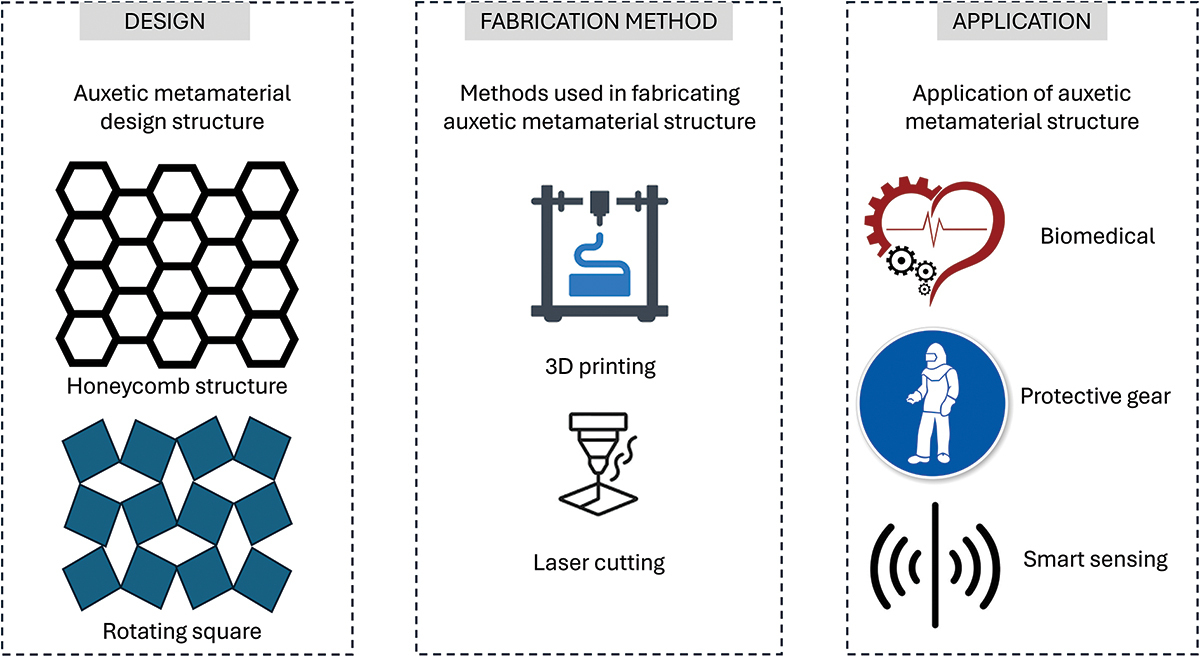
In the rapidly advancing world of technology, researchers and engineers are constantly exploring new materials and methods to push the boundaries of what’s possible. One such groundbreaking development is the advent of metamaterials. Though the term may sound futuristic, metamaterials are real, tangible substances with unique properties that can revolutionize a variety of industries—from communications and healthcare to defense and aerospace.
But what exactly are metamaterials? How do they differ from traditional materials? And what potential do they hold for the future? To answer these questions comprehensively, let’s first delve into the fundamental concept behind metamaterials and understand how they are creating ripples in the technological landscape.
What Are Metamaterials?
Defining Metamaterials
Metamaterials are artificially engineered structures designed to manipulate electromagnetic waves in ways that natural materials cannot. Unlike conventional materials, which derive their properties from their chemical composition, metamaterials gain their unusual properties primarily from their structure—specifically, from the patterning of their internal components at scales smaller than the wavelength of the phenomena they affect.
According to AZoM, metamaterials are specifically crafted to have properties that may not exist in nature, enabling them to interact with electromagnetic waves in innovative ways.
The Science Behind Metamaterials
At their core, metamaterials are composed of periodic or aperiodic structures—often called “meta-atoms”—which are arranged in a way that exhibits unique electromagnetic responses. These responses are governed by the structure’s shape, geometry, size, and arrangement, rather than just the material’s chemical composition.
By manipulating these parameters, scientists can design metamaterials to achieve effects such as:
- Negative refractive index — bending light or other waves in unusual ways
- Electromagnetic cloaking — making objects invisible or less detectable
- Superlensing — imaging objects smaller than the wavelength of light
- Wave steering — directing electromagnetic waves along desired paths
Types of Metamaterials and Their Applications
Electromagnetic Metamaterials
This category includes materials designed to control electromagnetic waves, making them crucial for advancements in optics, antennas, and stealth technologies. Examples include:
- Superlenses for high-resolution imaging
- Invisibility cloaks
- Highly directional antennas
Acoustic and Mechanical Metamaterials
These materials are engineered to manipulate sound waves and mechanical vibrations. Their applications are widespread in areas such as:
- Noise reduction in architectural acoustics
- Vibration control in machinery
- Soundproofing solutions
Thermal Metamaterials
Designed to control heat flow, thermal metamaterials can be used for insulation, energy harvesting, and even thermal cloaking. They pave the way for innovative cooling systems and thermal management in electronics.
The Revolutionary Impact of Metamaterials on Technology
Transforming Communications and Wave Control
One of the most promising areas benefiting from metamaterials is wireless communication. Metamaterials enable the development of compact, high-gain antennas that can operate over multiple frequency bands. They also facilitate beam steering without mechanical movement, allowing faster, more efficient data transmission.
Advancements in Imaging and Sensing
Metamaterials are at the forefront of creating super-resolution lenses—devices capable of imaging objects smaller than the wavelength of light. This has significant implications for cell biology, medical diagnostics, and security screening. Furthermore, metamaterials improve the sensitivity and specificity of sensors, leading to better detection of biological, chemical, and environmental signals.
Stealth and Cloaking Technologies
The ability to manipulate electromagnetic signatures has made metamaterials essential in military applications, such as creating stealth technology and cloaking devices. By bending light or radar waves around objects, these materials can render them effectively invisible, revolutionizing defense strategies.
Energy Efficiency and Environmental Applications
Thermal metamaterials hold promise for energy harvesting and waste heat recovery. They can improve the efficiency of solar panels by directing sunlight more effectively or insulate buildings and electronic devices to minimize energy loss. As the world pushes for sustainable development, metamaterials could play a vital role in energy conservation efforts.
The Future of Metamaterials
As research continues, the potential applications of metamaterials are expanding exponentially. Emerging fields include quantum metamaterials, capable of manipulating quantum states, and flexible metamaterials that can adapt their properties in real-time. The integration of metamaterials with nanotechnology promises unprecedented control over electromagnetic phenomena at the smallest scales.
Despite these advancements, there are still challenges to overcome, such as manufacturing at scale, cost reduction, and durability. However, the pace of innovation suggests that metamaterials will soon become a staple in everyday technology, from smartphones to space exploration.
Conclusion
Metamaterials are a testament to human ingenuity in manipulating the physical world. Their ability to control waves and energy in novel ways is opening doors to technological advancements that once belonged only to the realm of science fiction. With ongoing research and development, the future of metamaterials holds the promise of transforming industries and enhancing our everyday lives in ways we are just beginning to imagine.
In essence, understanding and harnessing the power of metamaterials could be the key to unlocking the next revolutionary wave of technological progress—one that bridges the gap between imagination and reality.
For more updated news please keep visiting Hourly Prime News.