

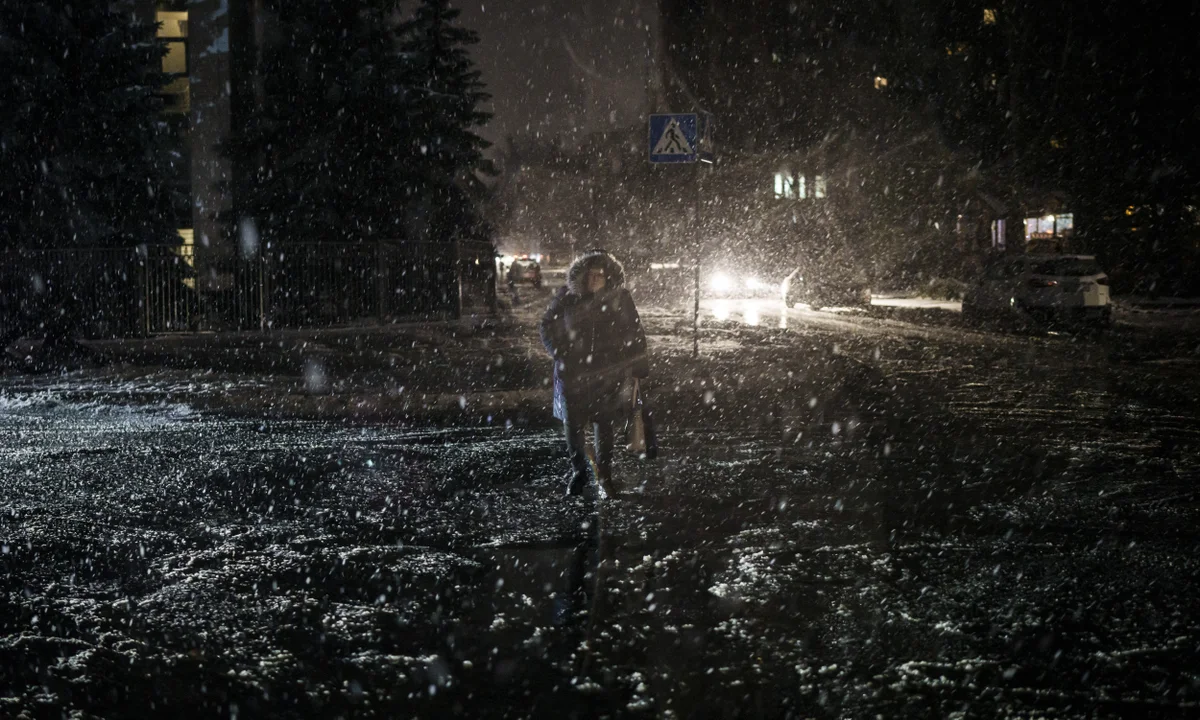
Ukraine finds itself amidst an unprecedented crisis as its power grid has been pushed to the brink of collapse following relentless Russian missile strikes and drone attacks targeting critical energy infrastructure. This assault, often described as one of the most challenging nights in recent history, has left millions of Ukrainians without electricity and heating during one of the harshest winters in decades. The aftermath of these attacks has exposed vulnerabilities in the country’s energy sector, raising urgent questions about resilience, emergency preparedness, and the broader geopolitical impact of the ongoing conflict.
The Immediate Aftermath of the Attack
According to recent reports from The Times of India, the damage caused by these targeted attacks has been disastrous, leaving the population vulnerable during winter’s coldest months.
The Scope of Damage
The extent of the destruction is staggering:
- Power generation has been reduced to zero, rendering entire regions without electricity. This effectively stopped grid supplies and disrupted essential services.
- Critical energy infrastructure, including substations and transmission lines, was decimated, making immediate repairs challenging.
- Even hospitals and emergency services faced the threat of being cut off from power, jeopardizing lives during a critical period.
Reports from The Guardian confirm that a combination of missile strikes, drone attacks, and sabotage has left Ukraine’s power grid non-operational.
Humanitarian and Societal Impact
The collapse of the electrical grid has had profound social and humanitarian consequences:
- Millions are in the dark, facing freezing temperatures without proper heating or lighting.
- Many households are resorting to candles, kerosene, and other makeshift solutions in a desperate bid to stay warm.
- Vulnerable populations, including the elderly and those with health issues, are at increased risk of hypothermia and other cold-related illnesses.
In addition to the immediate life-threatening risks, water supplies have also been threatened. Many water treatment facilities rely on electrical power, meaning access to clean water is compromised in tandem with energy outages.
Wider Strategic and Political Impacts
This onslaught on Ukraine’s energy infrastructure is not just a matter of humanitarian concern but also a strategic move in the broader Russian tactic of destabilization:
- Undermining civilian morale: Cut-offs during winter aim to demoralize the population and pressure the Ukrainian government into concessions.
- Disrupting economic activity: Power outages have halted industries, transportation, and other vital sectors, slowing down economic progression and international aid efforts.
- Testing resilience: The attacks serve as a stark reminder of Ukraine’s vulnerabilities and the need for robust energy security measures.
Statements from Ukraine’s authorities indicate ongoing efforts to restore power, but the scale of destruction complicates these endeavors. The international community has condemned the attacks, emphasizing increased support to Ukraine’s energy resilience measures.
Responses and Future Outlook
Ukraine has responded with an urgent push to repair and reinforce its energy infrastructure, including:
- Mobilizing troops and emergency repair crews to restore electricity wherever possible.
- Installing portable and backup power sources to alleviate immediate shortages.
- Seeking international aid, including energy supplies and technical assistance, to bolster resilience.
However, persistent threat levels and ongoing hostilities mean that complete restoration of the power grid may take weeks or even months. The winter heating crisis underscores the urgency of developing long-term strategies to protect critical infrastructure from such devastating attacks.
Conclusion: A Call for Sustained Resilience
The recent Russian attacks have revealed the fragile state of Ukraine’s energy infrastructure amid a geopolitical conflict that shows no signs of abating. The crisis highlights the importance of investing in resilient energy systems, diversified supply chains, and emergency preparedness plans. As Ukrainians endure the coldest months of the year without stable power, the resilience of their spirit and the international support they garner will be critical in overcoming this darkest chapter.
Ultimately, the ongoing situation calls for a global reflection on the importance of safeguarding critical infrastructure in times of conflict, as well as providing unwavering support to nations fighting for their sovereignty and well-being.
Final Note
For more updated news please keep visiting Hourly Prime News.