

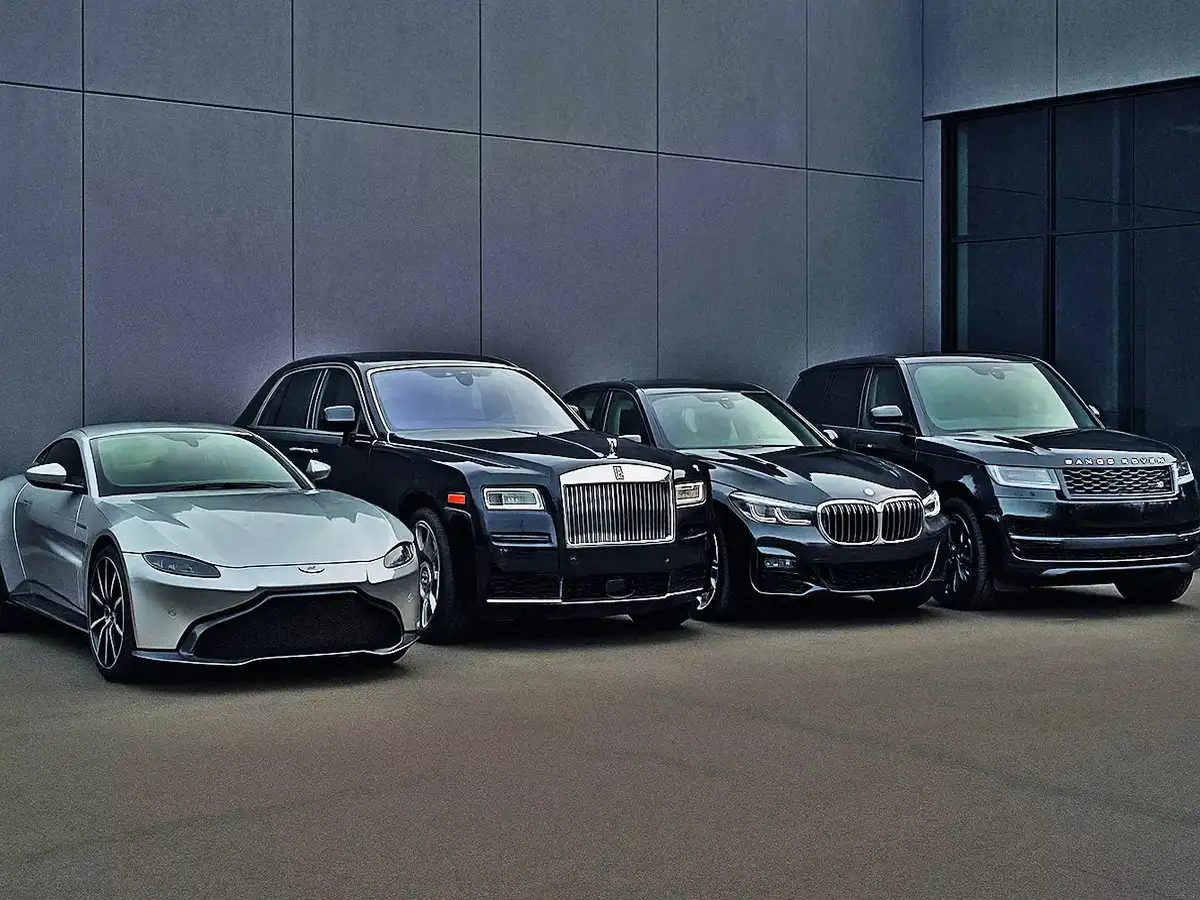
UK FTA Highlights
The recent Free Trade Agreement (FTA) between the United Kingdom and other nations has brought significant changes to the luxury automobile industry, particularly in terms of pricing and accessibility. While high-end brands like Rolls-Royce and Bentley are benefiting from the tariff reductions, the overall impact on the Indian automotive market remains minimal. This disparity highlights the unique dynamics of luxury car imports versus mass-market vehicles in India.
How the UK FTA Affects Luxury Car Pricing Globally
The UK FTA has paved the way for reduced import duties and tariffs on various luxury automobile brands, primarily targeting high-net-worth individuals and enthusiasts in multiple countries. By lowering tariffs, importing companies can offer these premium vehicles at a more competitive price point, which has reinvigorated demand for brands like Rolls-Royce and Bentley in key markets such as the Middle East, Europe, and North America.
For example, UK FTA means cheaper Rolls-Royce, Bentley — a statement that underscores how tariff reductions directly translate into affordability for consumers in regions where these deals are active.
The Limited Impact on India’s Luxury Car Market
Despite the positive developments for luxury automakers under the UK FTA, the impact on India’s automotive landscape remains constrained. Several factors contribute to this phenomenon:
- Import Tariffs and Taxes: India imposes heavy import duties on luxury vehicles, often ranging between 100–150%, which substantially inflates the retail price. As a result, even with tariffs lowered elsewhere, the final cost for Indian consumers still remains high.
- Domestic Production and Local Brands: India’s automotive industry is largely self-reliant, with local manufacturers such as Tata, Mahindra, and upcoming luxury brands focusing on emerging market demand. This reduces reliance on imports for high-end vehicles.
- Market Demand & Consumer Preferences: The Indian luxury car market is relatively niche, primarily serving the ultra-wealthy and corporate sectors. This limited demand means that tariff changes have a marginal effect on overall prices or sales volumes.
Moreover, luxury car buyers in India are often less sensitive to import costs because their purchasing power and preferences are shaped by factors beyond mere price considerations. The prestige of owning a luxury vehicle, brand loyalty, and exclusivity are more significant than marginal changes in tariffs.
Why Tariffs Still Matter for India’s Auto Market
While the direct effect of the UK FTA on India’s luxury auto segment is minimal, the broader implications of trade agreements are noteworthy. Reduced tariffs could:
- Encourage Fewer Smuggling and Gray Market Activities: Lower tariffs might discourage consumers from seeking alternative, unregulated channels to import luxury vehicles at cheaper rates.
- Stimulate Incremental Market Growth: Even marginal price reductions could attract a new segment of buyers willing to consider premium vehicles, especially as the Indian economy continues its growth trajectory.
- Push for Local Luxury Markets: Increased accessibility might inspire domestic players to invest in luxury segments, further fostering local innovation and branding.
However, for the imminent future, the larger factors—such as high taxes, import restrictions, and the affluent consumer base—continue to shield India from experiencing dramatic shifts rooted solely in trade agreements like the UK FTA.
Contrasting Perspectives: Global vs. Local Impact
In global markets, the benefits of reduced tariffs under the UK FTA are readily apparent. Premium brands like Rolls-Royce and Bentley have capitalized on favorable trade terms to offer more attractive pricing, attracting new buyers and expanding market share. For instance, the Middle East and Europe have seen an uptick in luxury car sales as a direct result of these agreements.
By contrast, India’s market dynamics are more complex. Here, high import duties mean that even with tariff reductions, the prices of premium cars remain significantly elevated for the average consumer. Furthermore, India’s luxury segment is inherently limited, with most purchases driven by ultra-wealthy individuals rather than a broader mid-income demographic.
Summary & Key Takeaways
- The UK FTA has successfully lowered tariffs for luxury cars like Rolls-Royce and Bentley, making them more affordable in certain international markets.
- Impact on India is minimal due to high import duties, tax structures, and market size limitations.
- Luxury car owners in India value brand exclusivity and prestige, diminishing the influence of tariff changes on purchase decisions.
- Future trade agreements could gradually influence India’s auto tariffs, fostering a more accessible luxury car market over the long term.
In conclusion, while global luxury auto markets benefit directly from the UK FTA through reduced tariffs and improved pricing, the Indian luxury car market remains largely insulated due to structural trade barriers and consumer behavior. The ongoing evolution of trade policies and local industry strategies will ultimately shape the future landscape of high-end automotive sales in India.
For more updated news please keep visiting Hourly Prime News.