

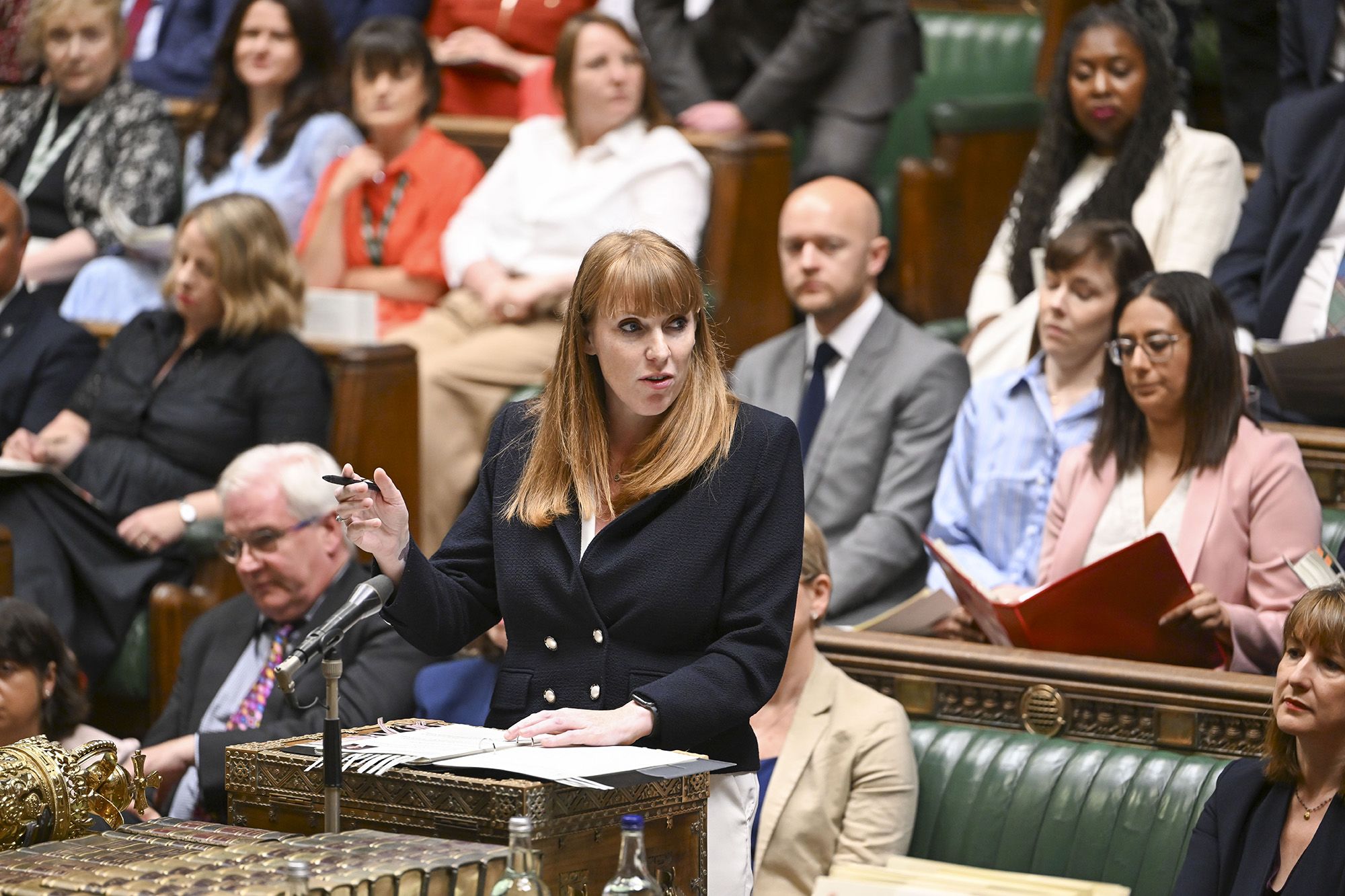
The recent resignation of Angela Rayner, the United Kingdom’s Deputy Prime Minister, has sent shockwaves through the political landscape, amplifying challenges faced by an already embattled Labour government. This unexpected move not only raises questions about internal party stability but also threatens to significantly alter the course of UK politics in the near future. As Rayner steps down amidst a series of controversies and mounting pressures, analysts believe this could mark a turning point in how the Labour Party navigates through current crises and upcoming elections.
Background: Angela Rayner’s Rise and Political Footprint
Angela Rayner, a prominent figure within the Labour Party, has been an influential voice on several key issues, from social justice to economic policy. Her ascent to the position of Deputy Prime Minister underscored her importance within party ranks and her reputation as a robust advocate for working-class communities. Over the years, Rayner cultivated a reputation for candidness and resilience, often positioning herself as a defender of Labour’s core values amid shifting political tides.
Reasons Behind the Resignation
Escalating Political Pressures and Controversies
- Details of Rayner’s resignation and its immediate aftermath
- Insights into the circumstances surrounding her departure
Tax and Financial Controversies
Reports have also emerged concerning her involvement in tax payment inquiries while purchasing property, which further contributed to her decision to resign. The ongoing scrutiny over her financial affairs, coupled with internal disagreements within Labour leadership, created a volatile environment that ultimately led to her stepping down.
The Political Implications of the Resignation
Deepening Internal Party Crisis
- Political repercussions within Labour
- Impact on Labour’s public image and future strategies
Broader Impact on UK Politics
Angela Rayner’s exit underscores the fragility of current UK governance amidst multiple crises. The Labour government now faces heightened scrutiny from opposition parties and media alike, as questions about internal stability and leadership clarity become more prevalent. Moreover, her resignation may influence upcoming policy debates and elections, especially given her significant role in advocating for social policies and worker’s rights.
Public and Media Reactions
The media coverage has been intense, with pundits dissecting her career and the circumstances leading to her resignation. Many see this as a crucial turning point for Labour, emphasizing the need for unity in these turbulent times. Public sentiment seems divided, with some sympathizing with her decision amid mounting pressures, while others interpret her resignation as a sign of deeper internal infighting.
Moving Forward: What Lies Ahead?
In the wake of her departure, the Labour Party faces the challenge of stabilizing and redefining its strategy. Leadership must now address internal divisions and regain public trust. Simultaneously, the government must navigate a complex landscape of economic challenges, public dissatisfaction, and political instability. Angela Rayner’s resignation acts as a stark reminder that political resilience requires unity and clear direction, especially during periods of adversity.
Conclusion
Angela Rayner’s resignation marks a significant chapter in UK’s political history, embodying the turmoil and dynamic shifts underway within the Labour Party and the wider political environment. As party leaders and politicians scramble to fill the vacuum left by her departure, the coming months will be critical in shaping the future of UK governance and political stability.
For more updated news please keep visiting Hourly Prime News.