

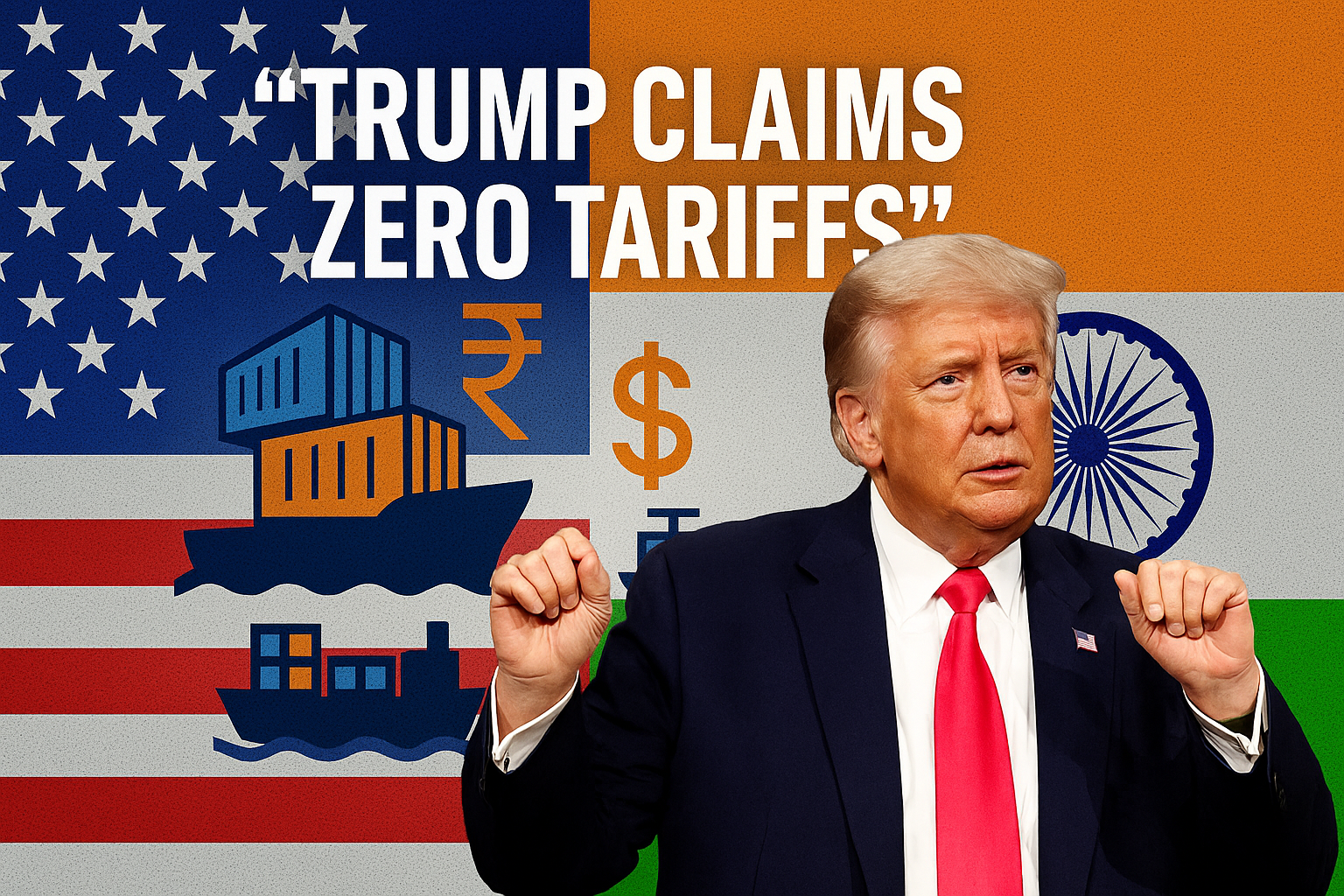
In recent developments that have captured global attention, the United States under President Donald Trump is making significant strides toward an economic rapprochement with India amidst ongoing trade negotiations. This comes at a time when the Trump administration has imposed hefty tariffs on multiple nations, signaling a strategic shift towards diplomacy and trade negotiations. The evolving scenario indicates that America is seeking to balance its tariff policies while fostering stronger bilateral relations with key partners like India.
Background: The Recent Tariff Actions and Their Impact
Trump’s Tariffs on 14 Countries
Earlier this year, President Trump announced a series of substantial tariffs on 14 countries, levying duties ranging from 25% to 40%. These measures targeted nations that the U.S. deemed were engaging in unfair trade practices or causing significant trade deficits. The tariffs spanned several sectors, including steel, aluminum, and other critical industries, aiming to protect American manufacturing and jobs. According to financialexpress.com, the tariffs aimed to put pressure on the targeted nations to renegotiate trade agreements and reduce unfair trade barriers.
Global Reaction and Economic Ramifications
The tariffs drew mixed reactions from the international community. Some countries responded with retaliatory tariffs, escalating the risk of a trade war that could impact global markets. American industries faced both opportunities and challenges — while some benefited from protectionist measures, others suffered from increased costs and decreased exports. The uncertainty created by these tariffs led to fluctuations in stock markets and global supply chains.
Advancement: The Negotiation with India
Trump’s Indications of a Deal
Amidst this tense backdrop, President Trump has recently announced that the U.S. is “close to making a deal” with India. This statement signals a pivotal moment in trade negotiations, suggesting that the contentious tariffs and trade barriers may soon be eased or resolved through diplomatic negotiations. According to reports from financialexpress.com, Trump emphasized that the negotiations could lead to reduced tariffs and enhanced trade relations with India.
Implications for U.S.-India Relations
The Significance of the Potential Deal
India, being one of the world’s largest economies and a vital partner in the Indo-Pacific region, holds strategic importance for the United States. A successful tariff agreement could boost bilateral trade, investments, and cooperation on geopolitical issues. India has expressed interest in resolving trade disputes amicably, especially concerning tariffs, technology transfer, and market access.
Potential Benefits for Both Nations
- Economic Growth: Reduced tariffs could lead to lower costs for American importers and Indian exporters, fostering economic growth on both sides.
- Strengthened Diplomatic Ties: Negotiations and agreements reinforce diplomatic relations, paving the way for future collaborations in technology, defense, and infrastructure.
- Market Stability: A bilateral deal could lessen trade uncertainties, positively influencing global markets and investor confidence.
Challenges and Future Outlook
Remaining Hurdles
While the prospects of an agreement with India seem promising, several hurdles remain. Disputes over intellectual property rights, market access barriers, and sectors like pharmaceuticals and agriculture still need to be addressed. Moreover, the broader geopolitical tensions and trade policies of other nations could influence negotiations.
What Can Be Expected?
If the negotiations proceed positively, we might witness a phased reduction in tariffs and the establishment of new trade frameworks. However, negotiations can be complex, and compromises will likely be necessary. Both parties are aware that a balanced and beneficial deal requires patience, dialogue, and mutual concessions.
Conclusion
The impending deal between Trump and India signifies a potential turning point in global trade dynamics. While the broader context involves tariffs and trade tensions with multiple nations, the focus now appears to be on fostering stronger U.S.-India relations through pragmatic negotiations. The outcome of these talks will undoubtedly influence geopolitical strategies and economic policies in the near future.
In an age of economic negotiations and strategic alliances, the importance of diplomacy cannot be overstated. As President Trump indicates that the U.S. is “close to making a deal” with India, markets, policymakers, and businesses worldwide are eagerly watching how these developments unfold. A successful agreement could serve as a blueprint for resolving other trade disputes and enhancing international cooperation.
Stay tuned to ongoing updates on this evolving story, as it promises to reshape economic and diplomatic landscapes in the coming months.
For more updated news please keep visiting Hourly Prime News.