

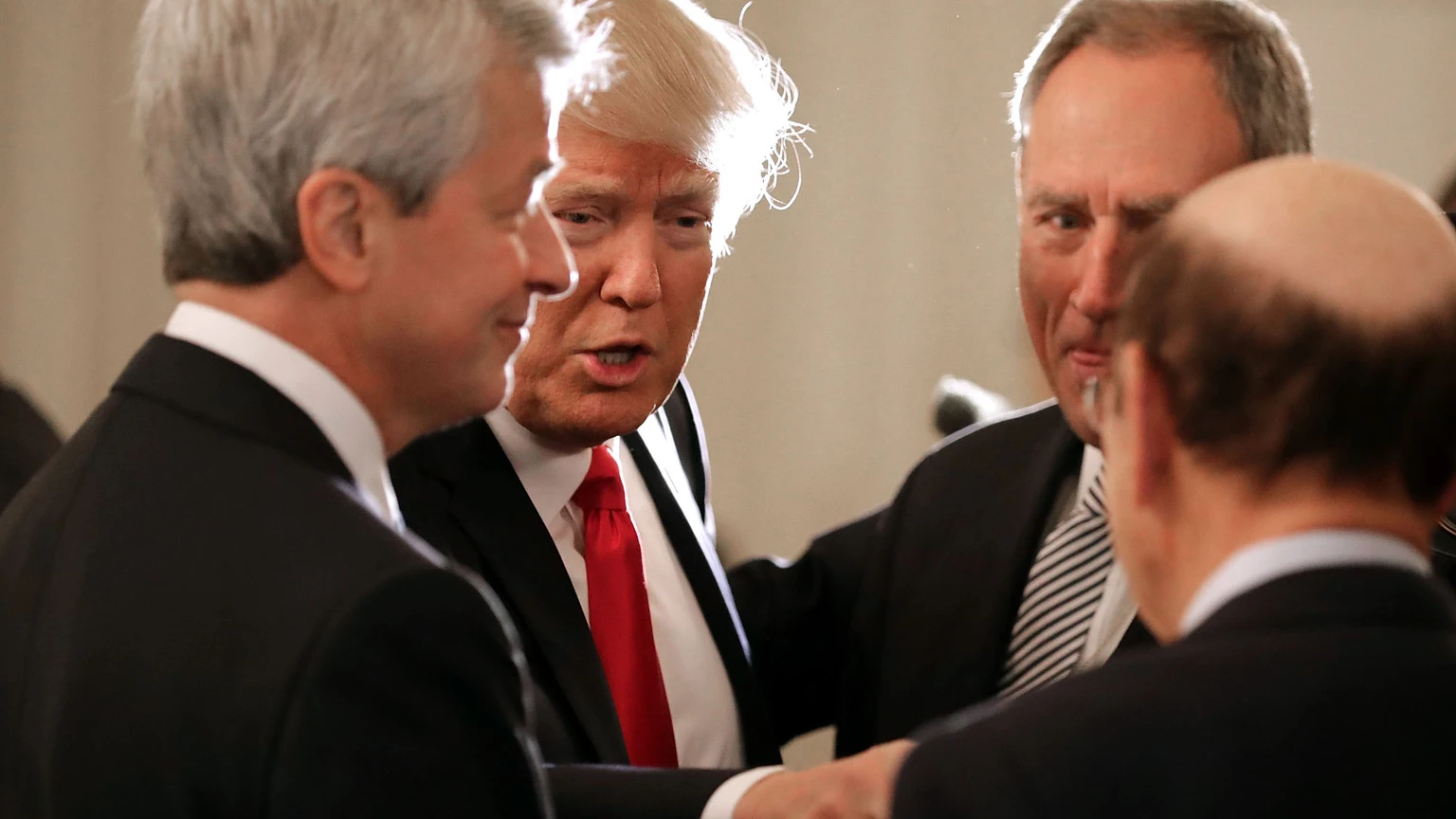
The political landscape often intersects with the world of finance, and recent reports reveal a significant event that underscores this connection. Former President Donald Trump recently hosted a private dinner at the White House, bringing together some of the most influential Wall Street executives and CEOs. This gathering was not merely social; it was orchestrated with strategic intent, aiming to foster dialogue on economic policies, financial stability, and future collaborations that could shape the American economic landscape.
The Key Players: Wall Street’s Elite in the Limelight
The dinner prominently featured Jamie Dimon, CEO of JP Morgan Chase, among other leading figures in the financial industry. As one of the most prominent banking executives globally, Dimon’s presence signals the importance of the event. Alongside him, several other high-ranking Wall Street CEOs and industry leaders participated, each bringing their perspectives on economic recovery, market regulation, and the overall health of the financial sector.
This level of engagement illustrates how intertwined politics and finance have become, especially given the influence these leaders wield over economic policies and decision-making processes.
Why Was This Dinner Held? Strategic Reasons Behind the Gathering
- Economic Policy Reset: According to strategic reports, one of the main objectives was to engage corporate America in discussions around resetting economic policies, possibly to align interests or prepare for upcoming legislative changes.
- Strengthening Financial Industry Ties: The dinner served as a platform to reinforce relationships between the government and top financial institutions, ensuring their cooperation and support for current and future policies.
- Addressing Market Stability and Innovation: Discussions likely touched on critical issues such as market stability, innovations in financial technology, and measures to prevent future financial crises.
- Influence on Food Aid and Social Programs: Some critics have raised concerns about the timing of these discussions, as reports indicate that while engaging with Wall Street, broader social programs like food aid might face austerity measures or deprioritization.
The Broader Political Context
This dinner comes amidst a backdrop of ongoing debates about economic strategies, social welfare, and the role of corporations in shaping policy. While the public often perceives such meetings as backstage negotiations, they undeniably influence legislative agendas and regulatory frameworks.
For instance, recent reports, including coverage from The Economic Times and other outlets, highlight how these gatherings are designed to influence economic policy direction.
Potential Impacts on National and Global Economy
The impact of such high-level meetings extends beyond mere dialogue. When presidents or former presidents host influential industry leaders, the resulting policies can alter financial markets, shape regulatory environments, and influence international economic relations. Critics caution that cozy dinners with corporate leaders may prioritize corporate interests over those of average citizens, especially when social programs like food aid are reportedly being throttled or reduced in scope.
Furthermore, these meetings may signal the prioritization of financial sector concerns, potentially at the expense of broader societal well-being. The timing, content, and outcomes of these discussions warrant public scrutiny and debate for the sake of transparency and accountability.
Public Response and Criticism
- Concerns of Favoritism and Policy Bias: Critics argue such gatherings could lead to disproportionate influence of Wall Street on policymaking, risking legislation that benefits the wealthy and financial institutions at the expense of ordinary Americans.
- Transparency and Accountability: The private nature of these dinners raises questions about transparency, especially when influential figures discuss policy matters behind closed doors.
- Social Equity Considerations: As social programs face cuts, some commentators view these meetings as emblematic of a trend where economic interests are prioritized over social justice and equity concerns.
Final Thoughts: A Balancing Act?
Hostings of prominent financial executives by political leaders like Donald Trump underscore the complex interplay between finance and politics. While such conversations can facilitate dialogue and foster cooperation, they also pose risks related to undue influence and policy skewing toward corporate interests.
As citizens and observers, the challenge remains to maintain transparency, ensure fair representation, and scrutinize the outcomes of such high-level gatherings. The future of economic policy—particularly in terms of social programs and financial regulation—may very well be shaped by the outcomes of these elite dinners.
In conclusion, the recent White House dinner with Wall Street CEOs exemplifies the ongoing negotiation between economic powerhouses and policymakers. It raises vital questions about whose interests are being prioritized and at what cost to society.
Conclusion
Ultimately, these strategic discussions reflect the broader dynamics of Washington’s relationship with big finance. They serve as a reminder that behind the curtains of political events, complex negotiations often occur—negotiations that can determine the economic trajectory of the nation and, by extension, the world.
For more updated news please keep visiting Hourly Prime News.