

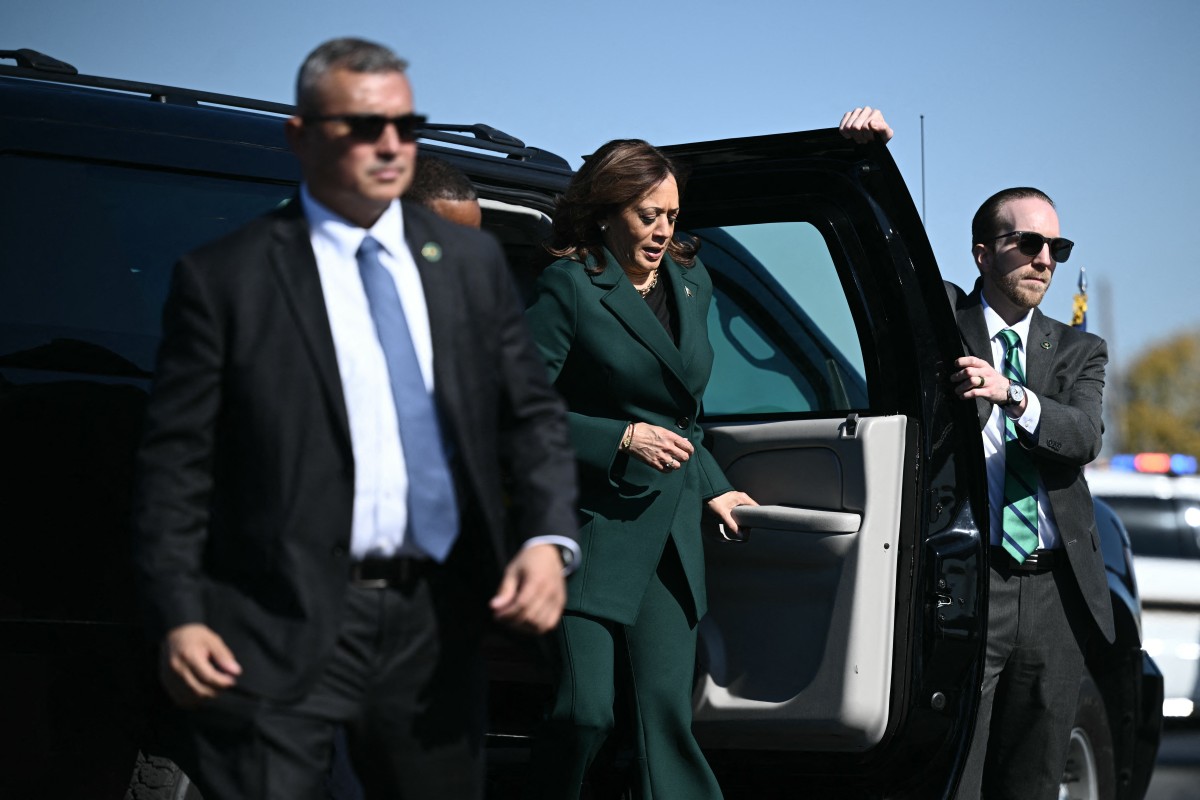
Secret Service protection is a vital security measure typically reserved for high-profile political figures, especially Presidents, Vice Presidents, and their families. It provides an essential shield against potential threats, ensuring that the individual’s personal safety remains a priority even amidst intense political negotiations and rivalry. Historically, these protective details are granted to former leaders and select figures based on security assessments and the current political climate.
However, the recent political tensions and a series of contentious rhetoric have led to an unexpected development: the abrupt withdrawal of Secret Service protection from Vice President Kamala Harris by former President Donald Trump. This extraordinary move not only raises questions about the politicization of security measures but also illustrates the deepening divisions in American political discourse.
Details of the Protective Withdrawal
According to multiple reputable sources, including India Today, the move was a significant break from precedent, considering Harris’s role as Vice President and her active political profile.
Similarly, reports from The Hindu also highlighted that this decision might reflect broader political motives and the precariousness of the current political climate.
Implications of the Action
Political Signals and Partisan Tensions
The decision to revoke Harris’s Secret Service protection is viewed as a clear political statement rather than a security concern. Critics argue that this move intensifies partisan hostility and could set a dangerous precedent that politicizes security protocols typically designed to be apolitical and impartial. It emphasizes the ongoing ideological rift where security measures are now being weaponized or manipulated in the context of electoral and political battles.
Security Concerns and Potential Risks
Security experts express concern over the potential risks associated with such a move. Secret Service protection is critical for high-profile figures who may face threats from various actors, including political opponents, extremists, or international entities. Removing protection without solid security reasoning could expose Harris to unnecessary dangers, especially given the current heightened political tensions.
Reactions From Various Stakeholders
Supporters and Political Allies
Supporters of Trump and some conservative commentators view this action as a rightful move, possibly grounded in claims about security reassessment or disputes over political conduct. They argue that the protection should be based solely on threat assessments rather than political considerations, and they see this as a stand against what they perceive as undue privileges for certain political figures.
Opponents and Security Experts
Opponents criticize the move aggressively, labeling it as politically motivated and dangerous. Security analysts warn that such actions could lead to instability, set a troubling precedent, and undermine confidence in the integrity of government security protocols. They emphasize that the safety of elected officials should never be compromised for political theater.
Historical Context and Future Outlook
This is not the first time security protections have become entangled with partisan politics. Historically, Secret Service protection has been meticulously maintained, with exceptions mainly based on genuine threat assessments. The recent events suggest a troubling new norm where political disputes could influence security decisions, potentially destabilizing the foundation of protection for public officials.
Looking ahead, the situation raises questions about how security measures will evolve in a polarized landscape. Will this set a precedent for further politicization of security for other officials? How will policymakers and security agencies navigate balancing political rhetoric with their duty to protect? Only time will tell, but this development is a stark reminder of how political clashes can spill over into areas traditionally considered non-partisan.
Conclusion
The revocation of Kamala Harris’s Secret Service protection by former President Trump underscores the intense fragmentation of American politics. It highlights how security and safety can become pawns in political conflicts, a disconcerting trend that threatens to undermine the fundamental principles of impartial protection for public officials. As the nation grapples with these developments, it remains critical for security agencies to uphold their duty regardless of political pressures, emphasizing that safety should transcend partisan disputes.
This situation also sparks a broader debate about the politicization of national security and the importance of maintaining clear boundaries between politics and security operations. Protecting democracy involves safeguarding its representatives unconditionally, no matter who is in power or which side they support.
Final Thoughts
The controversy surrounding the removal of Harris’s security detail reflects the current state of American political divisiveness. It invites us to consider how political rhetoric and actions can influence even the most sacred aspects of governance and safety. Moving forward, it is essential that security remains apolitical, ensuring that safety is not sacrificed in the name of political vendettas.
For more updated news please keep visiting Hourly Prime News.