

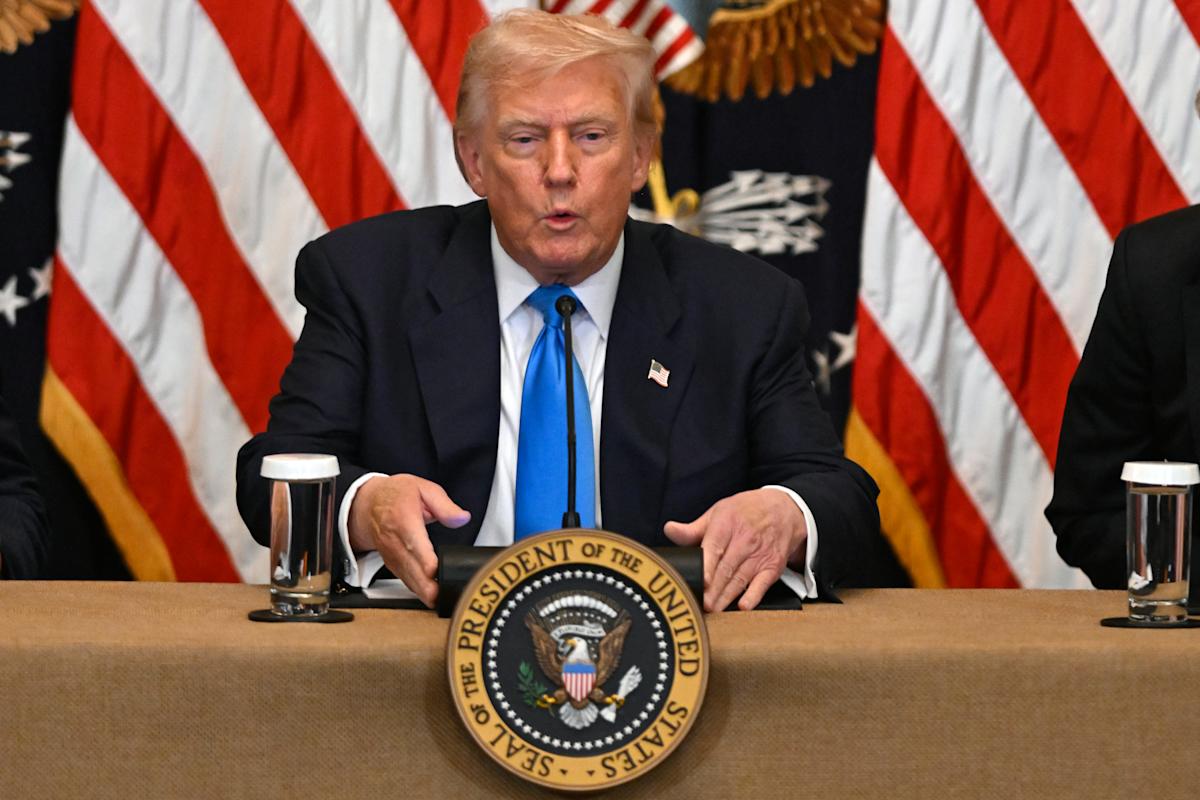
Trump Defends Tariffs – A Complex Web of Trade and Legal Battles
In recent weeks, former President Donald Trump has been in the spotlight as he actively defends his decision to impose tariffs amidst intensifying global trade negotiations. As countries worldwide scramble to secure favorable deals, Trump’s stance on tariffs has become a focal point of economic and political debate. Simultaneously, he faces an impending court drama that could significantly influence his political future and operational tactics.
This convergence of economic strategy and legal proceedings underscores a tumultuous period for Trump and the international trading community. The ongoing updates from live updates provide real-time insights into this evolving situation.
The Rationale Behind Trump’s Tariff Strategy
Protection of U.S. Industries
One of the primary reasons cited by Trump for maintaining tariffs is the protection of American industries. By imposing tariffs on imports from certain countries, he aimed to:
- Reduce Trade Deficits – Making imported goods more expensive encourages consumers to buy domestically produced items, thus narrowing the trade gap.
- Protect Domestic Jobs – Tariffs can potentially save jobs in industries vulnerable to foreign competition, such as manufacturing and agriculture.
- Leverage Negotiating Power – Heavy tariffs can be used as bargaining chips to compel trade partners to agree to more favorable terms.
Addressing Unfair Trade Practices
Trump frequently referenced concerns over unfair trade practices, including intellectual property theft and subsidies that disadvantage American businesses. The tariffs serve as a retaliatory tool against countries accused of engaging in such practices, notably China and members of the European Union.
Global Reactions and the Race for Deals
Countries Responding to U.S. Tariffs
Internationally, countries have responded with mixed reactions—some retaliating with their own tariffs, while others seek diplomatic negotiations to de-escalate tensions. The ongoing competition among nations to strike favorable trade agreements is fueling a frenzy of negotiations.
Notable Responses Include:
- China’s efforts to renegotiate tariffs and reduce trade tensions with the U.S., while also exploring alternative markets.
- European nations pushing back against American tariffs, citing concerns about economic stability and fair trade.
- Emerging economies seeking to capitalize on the turbulence by attracting investment and expanding trade partnerships.
Upcoming Court Drama: Legal Challenges and Political Implications
The Foreseeable Legal Battles
As tariffs remain a contentious topic, Trump faces upcoming legal challenges that could legally question the authority and legality of his trade policies. These court dramas are expected to scrutinize:
- Executive Powers – Whether the president exceeded his constitutional authority in imposing tariffs without legislative approval.
- Trade Law Compliance – The legality of specific tariffs under international trade agreements.
- Potential Reversals and Policies – Courts may demand modifications or cancellations of certain tariffs, impacting global trade dynamics.
Impact on Trump’s Political Future
The legal proceedings are also intertwined with broader political considerations. A court ruling against Trump’s tariffs could diminish his leverage in future negotiations and impact his political standing. Conversely, a favorable ruling might bolster his authority to enforce similar policies in the future.
The Economic and Political Stakes
Economically, tariffs have significant repercussions. They can lead to higher consumer prices, supply chain disruptions, and shifts in global trade flows. Politically, they influence voter sentiment, domestic industry support, and international diplomatic relations.
In an era marked by economic uncertainty and political upheaval, Trump’s unwavering defense of tariffs underscores his commitment to his core economic policies. However, the impending court drama adds an unpredictable layer to the unfolding narrative, with potential outcomes that could shape the future of American trade policy considerably.
Expert Opinions and Future Outlook
Analysts’ Perspectives
Most economic analysts agree that the tariffs serve as a double-edged sword. While they may secure short-term gains for certain sectors, they also risk long-term damage to international relations and economic stability. Many experts suggest that finding a balanced approach through diplomacy could be more sustainable.
The Road Ahead
The immediate future hinges on judicial outcomes and the ongoing negotiations between the United States and its trade partners. Diplomatic efforts continue to evolve, with some countries willing to make concessions, while others stand firm against tariff reductions.
Conclusion: A Critical Juncture
As Donald Trump defends his tariff policies, the world watches closely. The combination of aggressive trade measures and legal challenges makes for a tumultuous landscape that could redefine international trade norms. The success or failure of these efforts will undoubtedly have lasting impacts on global economic stability and diplomatic relations.
With negotiations ongoing and legal battles looming, the coming weeks will be pivotal in determining the future direction of U.S. trade policy. Stakeholders across sectors must stay alert to developments, understanding that the outcomes could reshape markets worldwide.
For more updated news please keep visiting Hourly Prime News.