

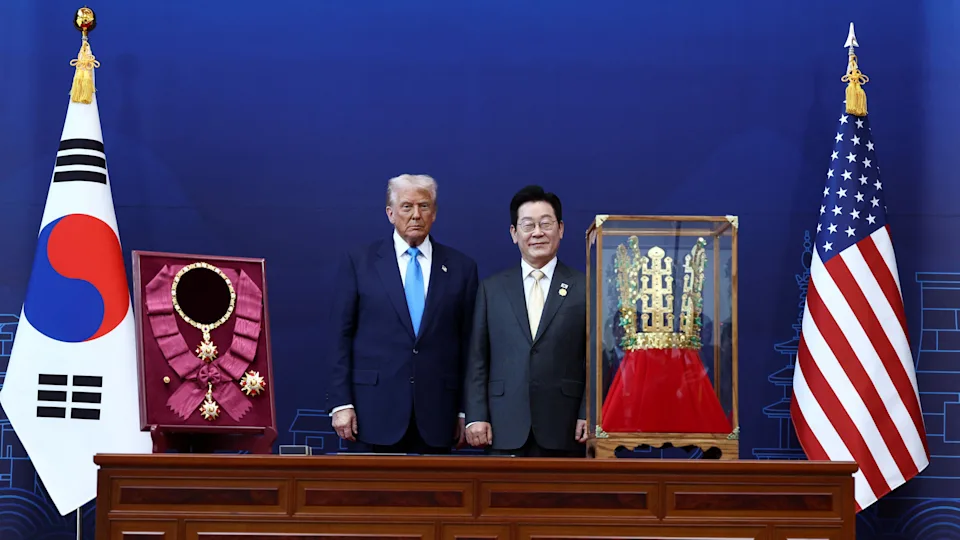
In a world where international diplomacy and trade relations shape the geopolitical landscape, the recent meeting between U.S. President Donald Trump and the South Korean leader has garnered significant attention. The summit, held against the backdrop of elusive trade agreements, underscores the complexities and strategic importance of the U.S.-South Korea relationship amid a shifting global economic environment.
Context of the Meeting
The meeting occurs at a crucial juncture, with negotiations over trade agreements continuing to face hurdles. Despite multiple discussions and optimistic statements from both sides, a comprehensive trade deal remains out of reach. Sources indicate that the primary sticking points include tariff structures, investment protections, and market access issues. The ongoing negotiations highlight the delicate balance of mutual interests and the broader geopolitical considerations at play.
Diplomatic Significance
The significance of this diplomatic engagement extends beyond trade. It serves as a testament to the strategic alliance that the United States and South Korea have fostered over decades. The allies often synchronize their policies to counterbalance regional rivals and ensure stability in East Asia. Such meetings are also crucial opportunities to reaffirm commitments amid rising regional tensions, notably concerning North Korea’s missile and nuclear program.
Key Highlights of the Meeting
- Trade Deal Negotiations: While both leaders expressed optimism about reaching a consensus, official statements acknowledge that the deal’s finalization is still underway. President Trump has emphasized that a trade agreement with South Korea is “very close” and urged swift conclusion, indicating a sense of urgency to finalize terms that benefit both nations.
- Protests and Public Sentiment: The visit was met with protests in South Korea. Demonstrators voiced concerns about the potential impacts of the trade negotiations, especially regarding economic sovereignty and regional security. Despite the protests, the leaders maintained a focus on constructive dialogue.
- Reinforcing the Alliance: During the summit, both leaders reaffirmed their commitment to the alliance. South Korea received its highest civilian honor—a golden crown and ketchup—symbolizing mutual respect and diplomatic goodwill. This gesture also aimed to strengthen cultural and strategic ties.
- Anticipated Agreements and Future Meetings: Trump noted that the finalization of the trade deal could be announced “very soon,” suggesting that the negotiations have reached a critical phase. Additionally, prospects of further summits with Chinese officials and other regional leaders are on the horizon, emphasizing the interconnectedness of diplomatic efforts.
Broader Geopolitical Implications
The meeting takes place amid a flurry of international diplomatic activity. Notably, President Trump and Chinese President Xi Jinping are also set to meet in South Korea during the APEC summit, with discussions likely to touch upon trade tensions and regional security concerns. These high-level encounters highlight the intricate web of diplomacy that characterizes East Asian geopolitics today.
Furthermore, the summit has sparked discussions about the balance of power in the region. South Korea’s strategic partnership with the United States remains vital, especially in light of North Korea’s ongoing missile tests and nuclear ambitions. The summit’s outcomes could influence Seoul’s diplomatic posture and its interactions with regional neighbors, including China and Japan.
Public and Media Response
The media coverage has been mixed, with some outlets praising the diplomatic efforts as a positive step toward economic stability, while others caution about the unresolved issues that still linger. The protests, in particular, reflected public concern over the long-term implications of the trade negotiations, Spurring debates about sovereignty, economic independence, and the future of the U.S.-South Korea alliance.
Looking Ahead
As the negotiations continue, both nations are keen to reach an agreement that aligns with their strategic interests. The upcoming weeks will be critical in determining the final contours of the trade deal and the broader diplomatic landscape in East Asia. Leaders are expected to maintain open channels of communication, emphasizing cooperation and mutual benefit, even amid differences.
Ultimately, this summit exemplifies the delicate art of diplomacy—balancing national interests, regional stability, and economic growth. While hurdles remain, the commitment demonstrated by both leaders offers hope for a successful resolution, paving the way for stronger ties and collaborative progress in the future.
For more updated news please keep visiting Hourly Prime News.