

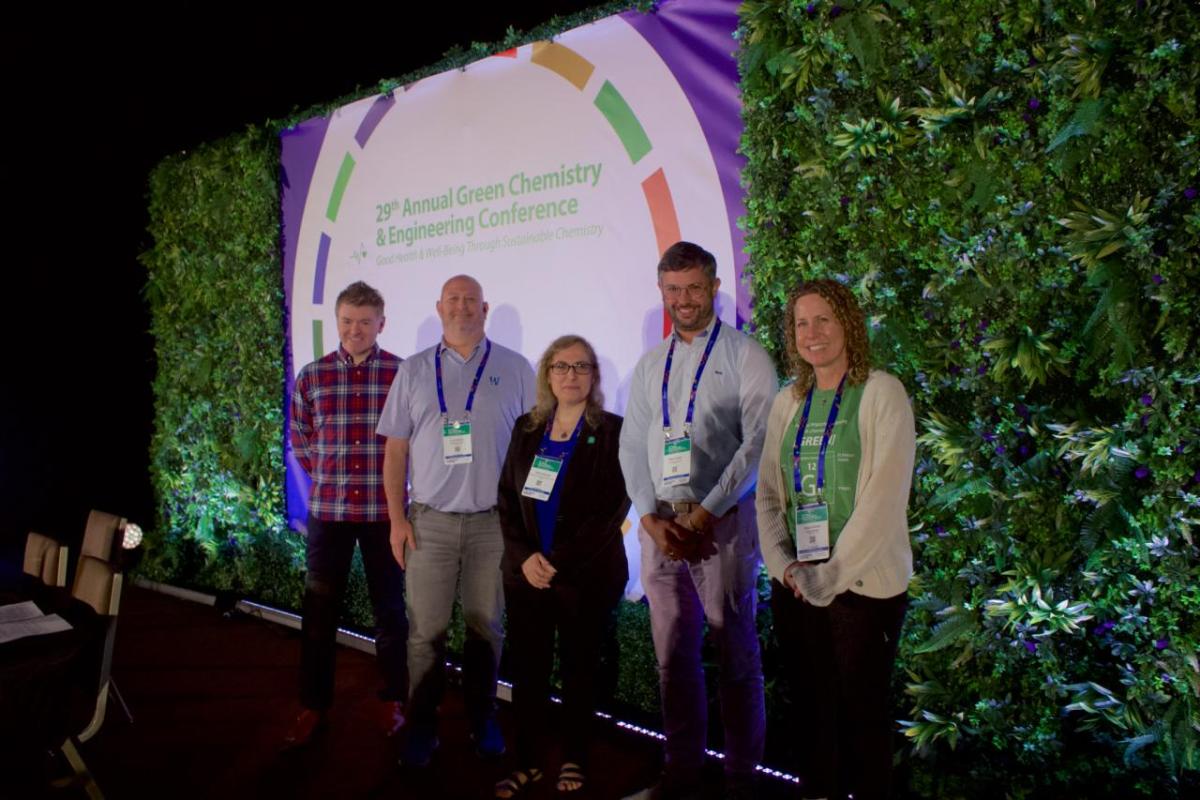
The 2025 American Chemical Society (ACS) Green Chemistry & Engineering Conference marked a significant milestone in the evolution of chemistry education. As the world intensifies its focus on sustainable practices and environmental responsibility, the conference served as a catalyst for reimagining how chemistry is taught, learned, and applied. Attendees, ranging from academic educators to industry leaders, converged to explore innovative strategies that embed green principles into every facet of chemistry education. This seminar not only highlighted current advancements but also charted a comprehensive pathway toward a more environmentally conscious and engaging pedagogical future.
Key Themes and Takeaways from the 2025 ACS Green Chemistry Conference
Emphasizing Sustainability from the Classroom to Industry
One of the central themes of the conference was the integration of sustainability across all levels of chemistry education. Traditionally, chemistry curricula have concentrated on core concepts and laboratory techniques without explicit emphasis on environmental impacts. However, recent developments suggest a transformative shift. The conference showcased curricula and modules that incorporate real-world sustainability challenges, encouraging students to think critically about the environmental footprint of chemical processes.
Institutions are increasingly adopting project-based learning focused on green initiatives, such as designing eco-friendly materials and developing renewable energy solutions. Industry partnerships also play a pivotal role, providing students with internships and cooperative education opportunities that emphasize green chemistry principles and sustainable innovation. This alignment prepares the next generation of chemists to prioritize eco-conscious solutions in their careers.
Innovative Pedagogical Approaches
Educational innovation was a recurring theme at the conference, with emphasis on integrating technology and interactive methodologies to engage students effectively. Virtual labs, augmented reality (AR), and simulation tools enable learners to experiment with green chemicals and processes in a risk-free environment. These technologies foster experiential learning and deepen understanding of complex concepts such as atom economy, biodegradability, and lifecycle analysis.
Moreover, educators are rethinking assessment strategies to emphasize problem-solving and critical thinking over rote memorization. Incorporating case studies related to green chemistry challenges encourages students to develop creative solutions reflective of real-world scenarios. This shift in pedagogical approach fosters innovation, adaptability, and a sense of ownership among students regarding sustainable practices.
Embedding Green Principles in Curriculum Design
The conference highlighted the importance of curriculum reform to embed green chemistry principles at all educational levels. From undergraduate programs to advanced research training, course content now increasingly integrates topics like renewable feedstocks, waste minimization, and energy efficiency. Interdisciplinary collaboration with engineering, environmental science, and policy studies further enriches the learning experience, broadening students’ perspectives on the societal impacts of chemistry.
Case in point, some institutions have developed dedicated green chemistry courses that are interdisciplinary by nature, encouraging students to think holistically about sustainability. These courses are often supplemented with community outreach projects, fostering a culture of environmental stewardship beyond the classroom.
Strengthening Industry-Academia Collaborations
The conference underscored the increasing importance of collaboration between academia and industry to accelerate the adoption of green chemistry practices. Industry leaders shared examples of how integrating green principles into research and manufacturing processes not only reduces environmental impact but also enhances economic efficiency.
Partnerships facilitate student exposure to real-world applications and innovations, bridging the gap between academic research and industrial implementation. This collaborative approach also helps shape policy and standards that promote sustainable practices across the sector.
Future Directions in Chemistry Education
Harnessing Technology for Broader Reach
The future of chemistry education will undoubtedly leverage technological advancements to expand access and improve engagement. AI-driven personalized learning platforms tailor educational experiences to individual student needs, fostering deeper mastery of green chemistry concepts. Open-access digital resources democratize knowledge, allowing institutions worldwide, regardless of resource constraints, to incorporate sustainability into their curricula.
Fostering a Green Mindset Beyond Formal Education
Educational institutions are increasingly recognizing the importance of instilling a sustainable mindset that extends beyond academics. Practical skills such as life cycle assessment, environmental impact evaluation, and green decision-making become integral to training programs. Encouraging student-led initiatives and sustainability clubs promotes active engagement and leadership in environmental stewardship.
Global Collaboration and Policy Development
As environmental challenges become global in nature, international collaboration for curriculum development and policy formation gains importance. The conference emphasized the need for harmonized standards and shared best practices to foster a global community of chemists committed to green principles. Initiatives such as international exchange programs and joint research projects are vital to cultivating a worldwide network focused on sustainable chemistry solutions.
Conclusion
The 2025 ACS Green Chemistry & Engineering Conference illustrated a pivotal transformation in how chemistry education aligns with global sustainability goals. By integrating innovative pedagogical practices, fostering collaboration, and emphasizing practical applications, educators are equipping students not merely with knowledge but with a mindset geared toward sustainable innovation. The continued evolution of chemistry education promises to produce a generation of chemists dedicated to environmental stewardship and social responsibility, making a lasting impact on industry, research, and society at large.
For more updated news please keep visiting Hourly Prime News.