

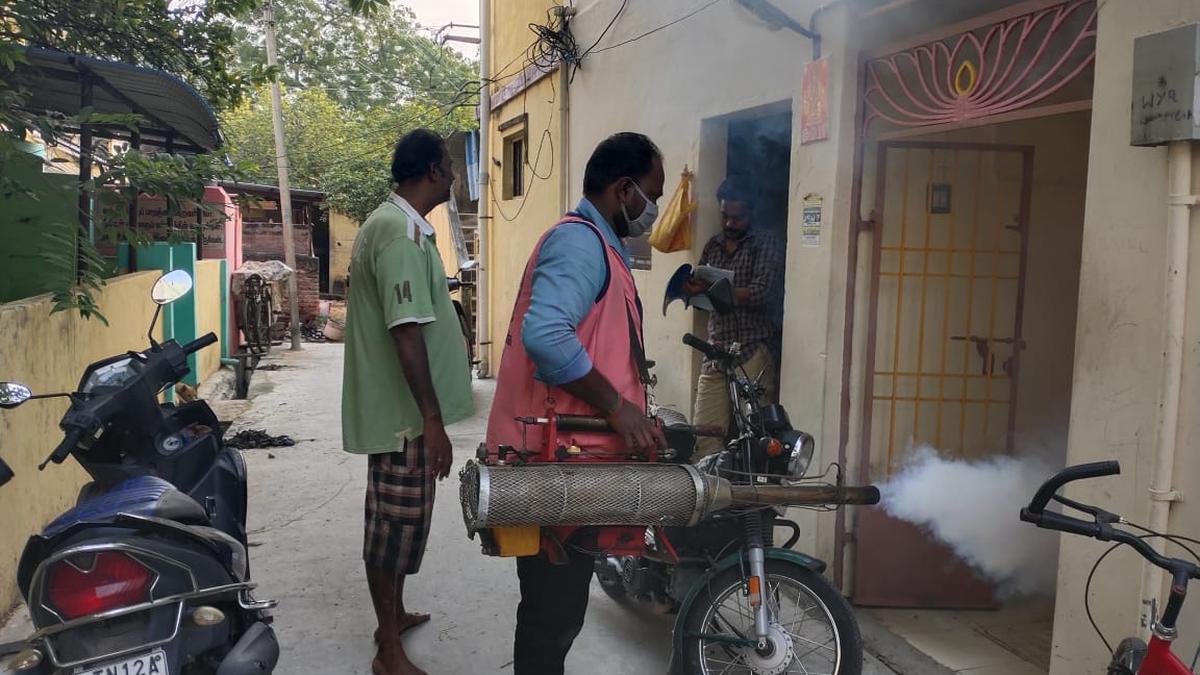
The city of Tiruchi has recently been on high alert as reports of increased seasonal illnesses have surged. With monsoon rains and changing weather patterns fostering environments conducive to disease transmission, local health officials and the Tiruchi Corporation have stepped up surveillance measures to contain and mitigate the impact of these illnesses. This proactive response aims not only to safeguard public health but also to prevent healthcare systems from becoming overwhelmed during this critical period.
Spike in Seasonal Illnesses: Causes and Concerns
Seasonal illnesses such as dengue, chikungunya, and other vector-borne diseases have witnessed a noticeable rise in Tiruchi over the past few weeks. Several factors contribute to this spike, including the increased mosquito breeding grounds owing to stagnant water accumulated from heavy rains, inadequate waste management, and lapses in public awareness about preventive measures.
Experts highlight that the monsoon season creates ideal conditions for mosquito larvae to thrive, transforming urban and semi-urban areas into hotspots for vector-borne transmission. Moreover, the congregation of people in crowded areas and inadequate protection against mosquito bites further exacerbates the situation.
Health authorities express concern that if immediate steps are not taken, these diseases could lead to serious health complications and fatalities, especially among vulnerable populations like children and the elderly.
Enhanced Surveillance Measures by Tiruchi Corporation
In response to the alarming rise in seasonal illnesses, Tiruchi Corporation has announced comprehensive measures to ramp up disease surveillance and response strategies.
Monitoring and Data Collection
- Larval Index Monitoring: Regular inspections of residential and public areas are conducted to identify and eliminate mosquito breeding sites. The larval index, a critical indicator of mosquito presence, is closely monitored to guide intervention strategies.
- Community Engagement: Street campaigns and awareness drives educate residents about removing stagnant water, proper waste disposal, and personal protection methods.
- Health Data Integration: Hospitals and clinics are mandated to report cases of vector-borne diseases promptly, enabling real-time data analysis for targeted action.
Screening and Medical Preparedness
- Rapid Response Teams: Specialized squads are on standby to address new outbreaks and conduct sanitation drives quickly.
- Medical Readiness: Local hospitals have been instructed to keep emergency medications ready, ensure 24/7 staff availability, and clear drainage channels to prevent mosquito breeding.
- Public Health Communication: Regular advisories are issued to inform citizens about symptoms, prevention tips, and when to seek medical help.
Preventive Strategies and Public Cooperation
While surveillance and medical preparedness form the backbone of disease control, public participation remains vital. Authorities are urging residents to actively participate in mosquito control measures, including:
- Eliminating stagnant water from buckets, flower pots, and old tires.
- Using mosquito nets and repellents, especially during dawn and dusk.
- Maintaining cleanliness in neighborhoods and public spaces.
- Reporting any identified breeding sites to local health officials promptly.
Educational programs in schools and community centers aim to sensitize citizens about the importance of collective effort in combating vector-borne illnesses.
Addressing Healthcare Readiness and Response
In addition to surveillance, health departments are focusing on ensuring healthcare facilities are equipped to handle potential surges:
- Stocking Essential Supplies: Medications, IV fluids, and diagnostic kits are being replenished regularly.
- Training Healthcare Staff: Medical personnel are undergoing refresher training on diagnosis, case management, and hygiene protocols.
- Coordination with State and Central Agencies: Tiruchi’s health sector collaborates with higher health authorities to ensure resource availability and technical support.
These measures aim to ensure that timely and effective treatment is available for affected individuals, reducing morbidity and mortality.
Role of Weather and Environment in Disease Management
Weather patterns play a crucial role in disease proliferation. The ongoing northeast monsoon has led to increased water accumulation, creating breeding grounds for mosquitoes. Recognizing this, officials are monitoring environmental conditions closely and will initiate sanitation drives at intervals to reduce vector habitats.
The city has also prioritized waste management and drainage restoration as long-term strategies to reduce future risks. Such environmental interventions, combined with community awareness, are critical for sustainable disease control.
Government and Community Collaboration
The success of disease surveillance and control hinges on collaboration between government agencies, healthcare providers, and the residents of Tiruchi. The local government’s proactive approach, involving regular monitoring, public communication, and rapid medical response, exemplifies best practices in epidemic preparedness.
Community organizations and volunteers also play a key role in disseminating information and conducting local sanitation drives. A collective effort can significantly reduce the mosquito population and curb the spread of illnesses.
Future Outlook and Continuous Vigilance
As Tiruchi continues to battle the rise in seasonal illnesses, authorities emphasize that sustained vigilance and public cooperation are paramount. The situation necessitates ongoing surveillance, environmental management, and community engagement.
Long-term strategies include urban planning that reduces water stagnation, improved waste disposal systems, and continued health education to sustain disease control efforts beyond the current season.
Conclusion
The recent surge in seasonal illnesses in Tiruchi has underscored the importance of a multi-layered approach involving enhanced surveillance, environmental management, medical preparedness, and public participation. With diligently implemented measures and community cooperation, Tiruchi aims to reduce the disease burden and protect the health of its residents.
Community awareness and collective action are essential components in this battle against seasonal illnesses. The city’s resilience and proactive stance offer hope for overcoming current health challenges and preventing future outbreaks.
For more updated news please keep visiting Hourly Prime News.