

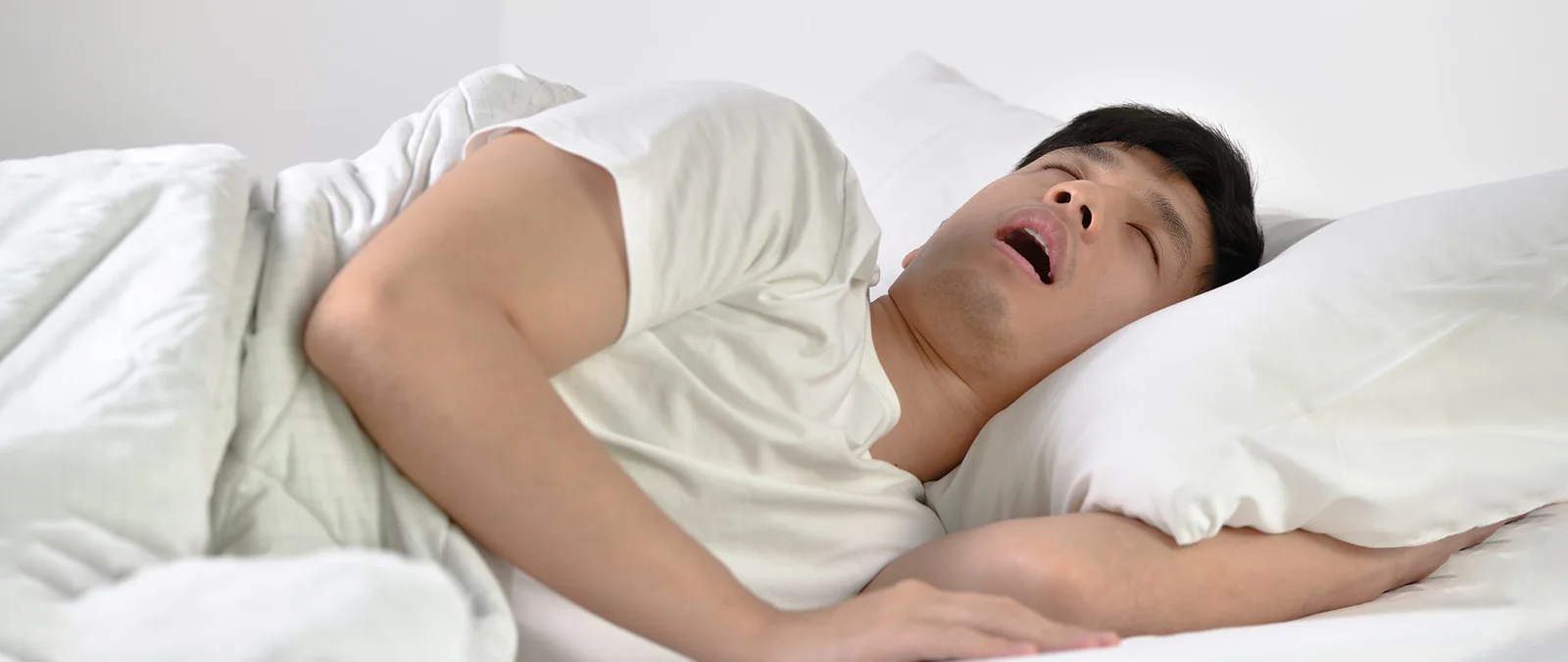
Understanding the Severity of Snoring and Sleep Apnoea
When we think of snoring, many perceive it as a minor inconvenience or a harmless nuisance. However, recent studies and medical insights reveal that snoring can mask a far more serious health issue known as sleep apnoea. Despite its prevalence, sleep apnoea remains a largely overlooked epidemic that demands urgent attention.
It is crucial to differentiate between simple snoring and obstructive sleep apnoea (OSA). While snoring may cause disturbance or embarrassment, sleep apnoea can drastically impair quality of life and pose serious health risks. According to The Hindu, sleep apnoea affects an estimated 1 billion individuals worldwide.
The Hidden Dangers of Sleep Apnoea
Health Risks Associated with Sleep Apnoea
Sleep apnoea is more than just disrupted sleep; it is a silent killer that significantly elevates the risk of various health complications. People suffering from this condition often experience:
- Cardiovascular Disease: Sleep apnoea leads to increased blood pressure and stress on the cardiovascular system, heightening the risk of heart attacks and strokes.
- Type 2 Diabetes: The disorder affects glucose metabolism, increasing the likelihood of developing insulin resistance and diabetes.
- Daytime Fatigue & Cognitive Impairment: Interrupted breathing causes poor-quality sleep, leading to excessive daytime drowsiness, concentration issues, and impaired memory.
- Accidents and Injury Risks: Sleep deprivation due to apnoea increases the chances of accidents, especially for drivers and individuals operating machinery.
- Increased Mortality: Studies have linked untreated sleep apnoea to a higher risk of death due to cardiovascular and other complications.
Why Snoring Should Never Be Ignored
Commonly dismissed as benign, snoring warrants serious consideration when it is loud, persistent, or accompanied by symptoms like choking, gasping, or frequent awakenings. These signs are indicators of obstructive sleep apnoea, which demands medical evaluation. Studies highlighted in The Hindu that many cases of heart disease and stroke can be linked to untreated sleep apnoea.
Personal Stories Highlighting the Urgency of Diagnosis
Multiple individuals have shared their experiences with sleep apnoea, emphasizing the importance of diagnosis and treatment. For instance:
- Jane’s story: After experiencing loud snoring and repeated awakenings, she discovered she had sleep apnoea, which was effectively treated, dramatically improving her health and quality of life.
- Mark’s experience: A simple change such as sleeping on a side significantly reduced his apnea episodes, improving his sleep and daytime alertness.
Diagnosis and Effective Treatment Options
How to Recognize the Symptoms
Early diagnosis of sleep apnoea is critical to avoid severe health consequences. Recognizable signs include:
- Loud and persistent snoring
- Gasping or choking during sleep
- Extreme daytime fatigue
- Morning headaches
- Restless sleep with frequent awakenings
- Difficulty concentrating and irritability
Medical Evaluation and Tests
If you suspect sleep apnoea, consulting a healthcare professional is essential. Diagnostic tools like overnight sleep studies (polysomnography) provide definitive evidence of sleep disorder severity. These tests monitor breathing patterns, oxygen levels, and brain activity during sleep, enabling accurate diagnosis.
Available Treatment Options
Treatment varies depending on severity but generally includes:
- Continuous Positive Airway Pressure (CPAP): A device that keeps airways open during sleep through steady air pressure.
- Oral Appliances: Devices worn in the mouth to prevent airway collapse.
- lifestyle changes: Weight management, quitting smoking, avoiding alcohol, and sleeping on your side can significantly reduce symptoms.
- Surgical interventions: In some cases, surgery to remove or reposition tissues obstructing the airway may be necessary.
The Urgency of Addressing Sleep Apnoea
Despite the availability of effective treatments, many remain unaware or deny the condition until severe health issues arise. This delay can result in irreversible damage to the heart, brain, and overall health. Recognizing the danger today can save lives tomorrow.
In conclusion, what may seem like harmless snoring can be a warning sign for a life-threatening condition. If you or a loved one exhibit any symptoms discussed, consider seeking medical advice immediately. It’s time to break the silence surrounding sleep apnoea and prioritize health and safety.
Remember: Early diagnosis and intervention are your best defenses against the hidden dangers of snoring and sleep apnoea.
For more updated news please keep visiting Hourly Prime News.