

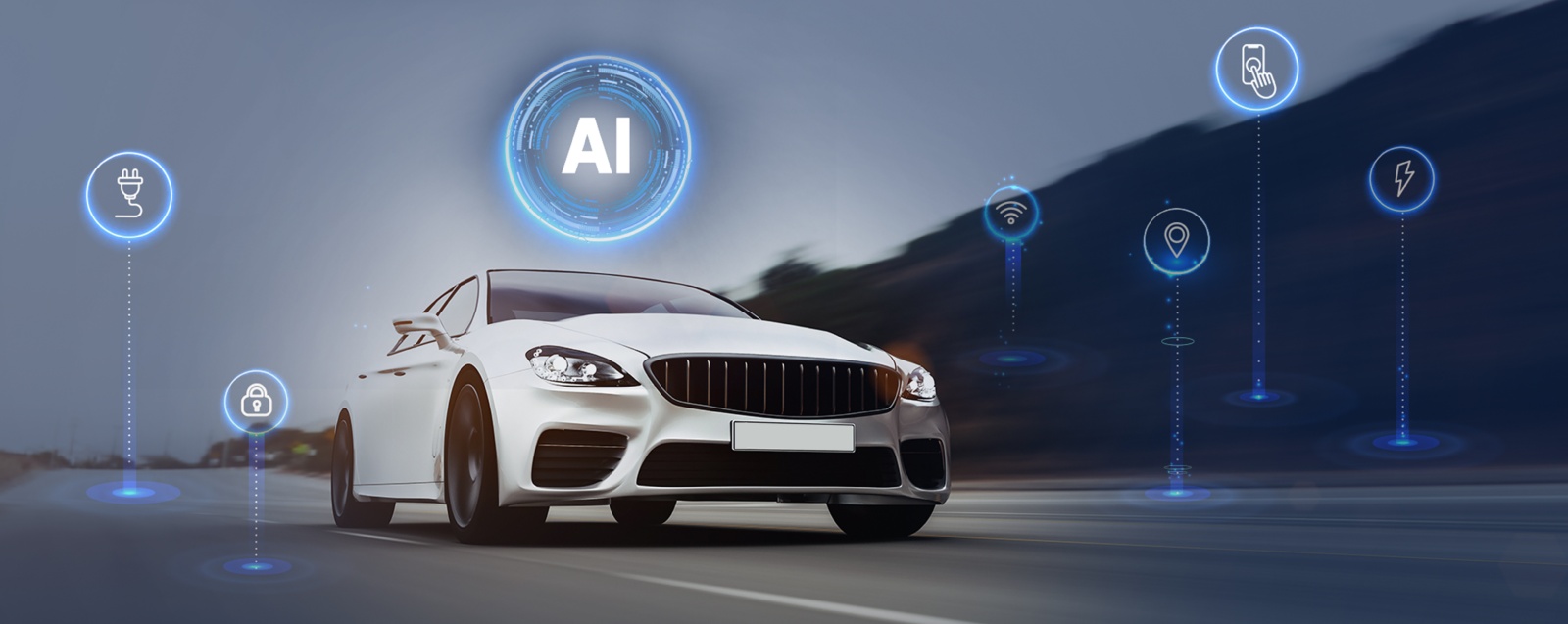
The automotive industry is experiencing a paradigm shift driven by the rapid evolution of connected car technology. Once viewed merely as a means of transportation, vehicles today are transforming into sophisticated digital ecosystems that seamlessly integrate with our daily lives. This revolution is not only reshaping how we drive but also redefining safety, convenience, and efficiency on the road.
The Roots of the Connected Car Revolution
At its core, the connected car revolution is built upon advancements in internet connectivity, sensor technology, and data analytics. Vehicles are now embedded with a multitude of sensors, GPS modules, cameras, and IoT (Internet of Things) devices, enabling real-time communication both within the vehicle and with external networks. This interconnectedness facilitates a range of innovative features that enhance driving experiences and operational capabilities.
Transformative Features of Modern Connected Vehicles
Connected cars come equipped with features that were once deemed futuristic. Some of the key innovations include:
- Advanced Driver Assistance Systems (ADAS): These systems utilize sensors and data analytics to assist drivers with functions like adaptive cruise control, lane-keeping assist, automated emergency braking, and parking assist, significantly improving road safety.
- Real-Time Traffic and Navigation: Integration with GPS and traffic data allows vehicles to provide optimal routes, avoid congestion, and estimate time of arrival more accurately.
- Remote Monitoring and Diagnostics: Vehicle health monitoring systems enable car owners and manufacturers to perform remote diagnostics, predict maintenance needs, and minimize breakdowns.
- Infotainment and Connectivity: Seamless integration with smartphones, voice assistants, and multimedia platforms enriches the user experience, promoting safer distractions-free entertainment options.
- Over-the-Air (OTA) Updates: Manufacturers can deploy software updates remotely, improving vehicle performance, fixing bugs, and adding new features without requiring visits to service centers.
The Impact on Automotive Industry and Consumer Experience
Enhanced Safety and Security
One of the most significant benefits of connected cars is the improvement in safety and security. Data sharing and monitoring help prevent accidents, identify threats, and facilitate quicker emergency responses. For instance, in the event of a collision, connected vehicles can automatically alert emergency services with precise location details, reducing response times.
Personalized Services and User Experience
Consumers now expect personalized driving experiences backed by data analytics. Connected vehicles tailor navigation, entertainment, and comfort settings based on user preferences, driving habits, and environmental conditions. This level of personalization elevates customer satisfaction and brand loyalty.
Operational Efficiency and Cost Savings
For manufacturers and fleet operators, connected technology offers insights into vehicle performance, enabling predictive maintenance and reducing downtime. Additionally, real-time traffic data helps optimize routes, leading to fuel savings and lower emissions.
Challenges and Concerns
Despite the many advantages, the connected car revolution faces several hurdles:
- Data Privacy and Security: As vehicles become more connected, the risk of cyberattacks increases. Protecting user data and ensuring network security are paramount.
- Regulatory and Standardization Issues: The lack of unified standards can hinder interoperability and slow down the adoption of connected technologies across different manufacturers and regions.
- Cost and Infrastructure: Integrating advanced connectivity features adds to vehicle costs, and the development of supporting infrastructure, such as 5G networks, is ongoing.
- Consumer Acceptance: Concerns over data privacy and the complexity of new systems may influence consumer willingness to fully embrace connected vehicles.
The Future of Connected Vehicles
Looking ahead, the connected car industry is poised for exponential growth with innovations such as:
- Autonomous Vehicles: Fully self-driving cars will rely heavily on continuous data exchange, sensors, and AI algorithms, pushing the combustion engine technology toward obsolescence.
- Smart Cities Integration: Vehicles will interact with urban infrastructure, such as traffic lights, parking systems, and public transport, creating efficient urban mobility ecosystems.
- Enhanced AI and Machine Learning: The integration of sophisticated AI systems will improve decision-making, predictive analytics, and personalized services.
- Electric and Hybrid Vehicles: Connected technology complements the shift toward sustainable transportation by optimizing energy management and charging station connectivity.
The Role of Industry Leaders and Innovators
Major automotive manufacturers, tech giants, and startups are collaborating to accelerate the adoption of connected car technology. Initiatives like open-source platforms, public-private partnerships, and standardization efforts aim to create a scalable, secure, and user-friendly connected vehicle ecosystem.
Conclusion
The connected car revolution signals a profound transformation in the automotive industry. It offers unprecedented opportunities to improve safety, efficiency, and user experience while presenting new challenges in security, regulation, and infrastructure. As technology continues to evolve, the future of mobility will be characterized by smarter, safer, and more interconnected vehicles that seamlessly integrate into our digital lives.
In essence, the connected car is no longer just a mode of transport but a vital component of our connected world, shaping the future of urban mobility and personal transportation.”
For more updated news please keep visiting Hourly Prime News.