

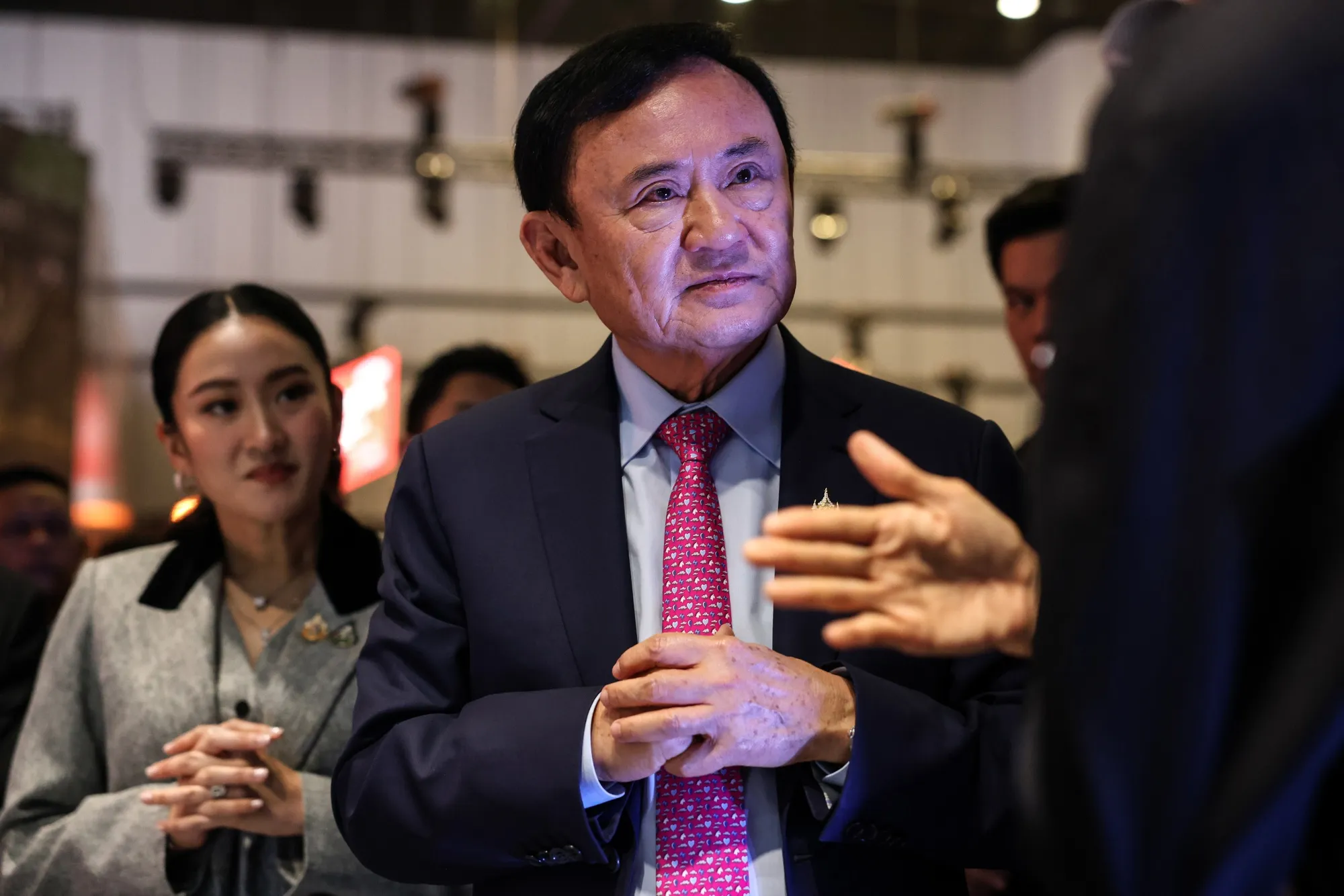
The geopolitical and economic landscape continues to evolve rapidly, demanding swift and strategic actions from policymakers worldwide. Among these, Thailand’s financial authorities have been particularly proactive, with the Thai Finance Minister making significant strides to finalize the US tariff proposal ahead of the looming August 1 deadline. This move underscores Thailand’s commitment to safeguarding its trade interests amidst ongoing negotiations and shifting international trade policies.
The Context of the US-Thai Tariff Negotiations
Recent months have seen heightened tensions and negotiations surrounding tariffs, especially between the United States and several key trade partners, including Thailand. The US government has been reviewing its trade policies, aiming to impose new tariffs or adjust existing ones, particularly on goods and services imported from South-East Asian countries. Thailand, as a vital player in regional trade, has been actively engaging with US officials to ensure that its interests are well-represented and protected.
According to recent reports from Nation Thailand, the Thai government is rushing to complete its proposal to the US concerning tariffs—an urgent move driven by the approaching deadline of August 1.
The Significance of the August 1 Deadline
Why is August 1 Critical?
The deadline is not arbitrary; it marks a potential turning point in US trade policy toward Thailand. Failure to finalize and submit the proposal by this date could lead to unfavorable trade restrictions or tariffs, which would impact Thailand’s economy, especially its export-driven sectors.
Implications for Thailand include:
- Potential tariffs that could increase costs for Thai exports to the US
- Disruption to supply chains involving Thai goods
- Impacts on employment in export-dependent industries
- Possible diplomatic repercussions affecting broader trade negotiations
The Role of the Thai Finance Minister
The Thai Finance Minister has been at the forefront of this critical negotiation process. His proactive approach signifies the Thai government’s understanding of the importance of swift action to minimize economic disruptions.
Key steps taken by the Minister include:
- Engaging in high-level talks with US trade officials
- Consulting domestic industry leaders and trade associations
- Reviewing and updating tariff proposals to reflect current economic realities
- Coordinating with relevant government agencies to streamline the approval process
Estimates suggest that the proposal process involves complex negotiations over tariff rates, affected commodities, and possible exemptions. Given the high stakes, the Minister has prioritized expediting these discussions without compromising on strategic interests.
Challenges Faced During the Negotiation Process
Balancing National Interests and Diplomatic Relations
One of the primary difficulties has been balancing Thailand’s economic needs with diplomatic sensitivities. The US has been firm in its stance on certain tariff policies, which has led Thai negotiators to seek concessions or alternative arrangements.
Addressing Domestic Industry Concerns
Thailand’s export sectors, including electronics, agricultural products, and automotive parts, have voiced concerns over potential tariff hikes. The government must navigate these internal pressures while negotiating on the international front.
Mitigating BroaderMarket Risks
The volatile nature of global trade relations adds to the challenge. Any misstep could lead to retaliatory measures or trade disputes that could significantly hamper economic stability.
The Strategic Approach and Future Outlook
Given the urgency, Thailand’s government has adopted a strategic approach centered on:
- Prioritizing transparency in negotiations
- Maintaining open communication channels with US counterparts
- Preparing contingency plans should negotiations falter
Looking ahead, the success of this finalization hinges on mutual understanding and flexibility. If the Thai proposal is accepted by August 1, it could pave the way for more stable US-Thailand trade relations and possibly set a precedent for future negotiations with other partners.
Potential Outcomes and Impacts
Optimistic Scenario
If Thailand manages to finalize the tariff proposal successfully, the expected benefits include:
- Minimized tariffs and trade disruptions
- Enhanced diplomatic relations with the US
- Strengthened confidence among investors and trade partners
- Clear guidelines for future trade negotiations
Pessimistic Scenario
Failure to meet the August 1 deadline could lead to:
- Imposition of tariffs or trade restrictions by the US
- Adverse economic impacts on Thai exports
- Potential retaliations from Thailand or other trade allies
- Increased uncertainty in regional trade stability
Conclusion
The proactive steps taken by Thailand’s Finance Minister reveal a strategic intent to safeguard the country’s economic interests amid unpredictable global trade dynamics. As the August 1 deadline approaches, the world watches keenly to see whether Thailand’s diplomacy and negotiation efforts will bear fruit. The outcome will significantly influence not only Thailand’s trade landscape but also the broader regional economic stability.
In an era where international relations rapidly shift, Thailand’s swift maneuvering emphasizes the importance of agility and strategic thinking in trade negotiations. Regardless of the final outcome, this scenario exemplifies the critical intersection of diplomacy, economics, and geopolitical strategy.
Stay tuned for ongoing updates on this story, as developments unfold in the coming days.
For more updated news please keep visiting Hourly Prime News.