

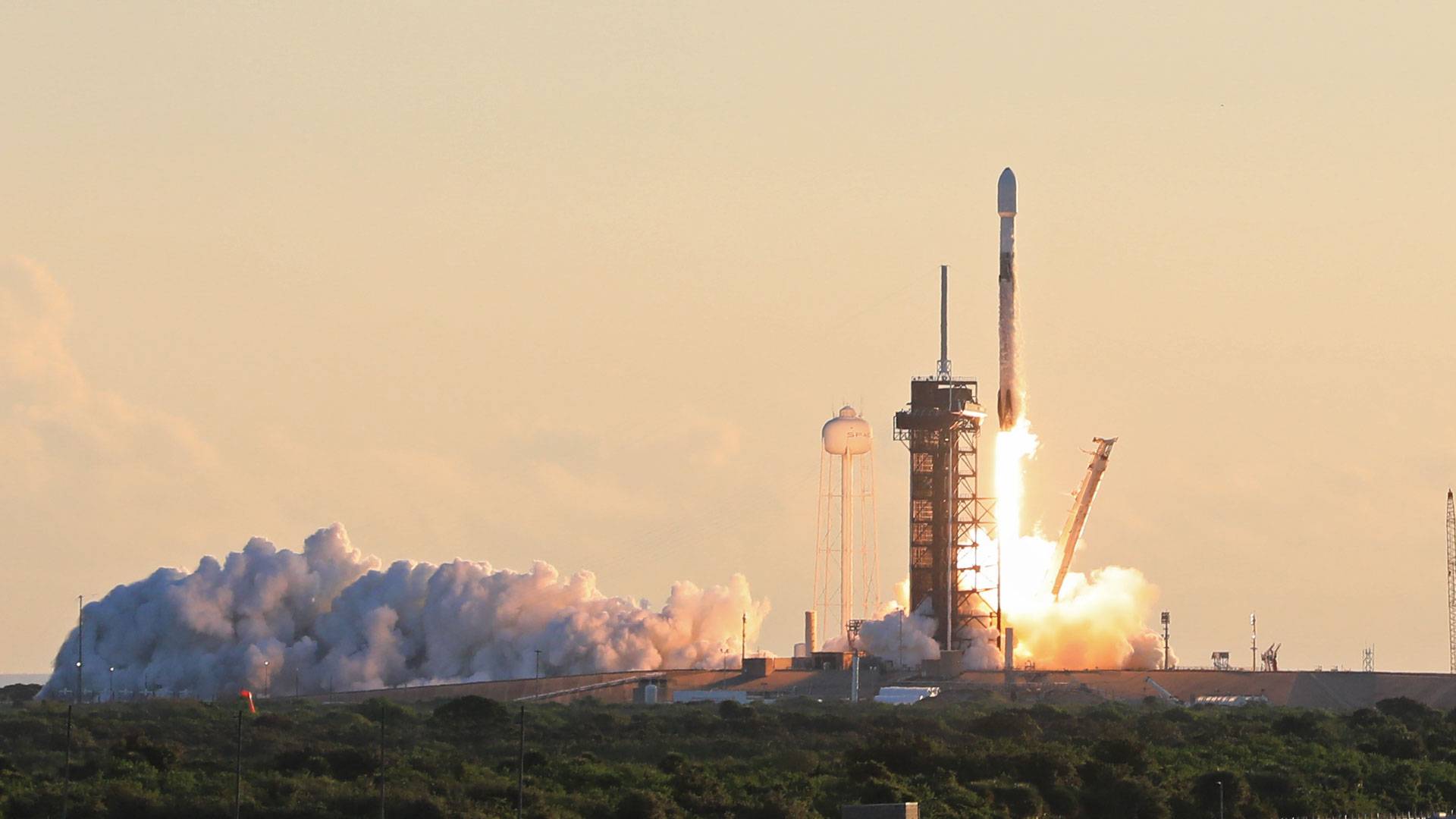
The burgeoning field of space exploration is witnessing a remarkable shift as students from around the world are actively contributing to the future of space technology. One of the most exciting developments in recent times is the upcoming launch of a satellite that was entirely built by students, integrated into NASA’s Interstellar Mapping and Acceleration Probe (IMAP) mission, aboard a SpaceX rocket. This collaboration not only pushes the frontier of scientific discovery but also exemplifies the power of youth empowerment and hands-on learning in the realm of space science.
Empowering the Next Generation of Space Scientists
The involvement of students in such high-stakes missions signifies a transformative approach to science, technology, engineering, and mathematics (STEM) education. Traditionally, space missions are developed by seasoned scientists and engineers within NASA or allied agencies. However, with the advent of educational satellites and CubeSats, students now have the opportunity to actively participate in real-world space exploration activities. The satellite in question, a pioneer in student-led space projects, is a testament to this paradigm shift.
The Details of the Student-Built Satellite
This satellite was developed through an intensive educational program that merged academic coursework with practical application. The project involved collaboration across multiple universities, engineering institutions, and research centers, fostering a multidisciplinary approach to satellite design and construction. The satellite is designed with the primary purpose of studying solar wind and space weather, providing critical data that supports NASA’s broader mission objectives.
Key features of the satellite include:
- Compact size, consistent with CubeSat standards, facilitating cost-effective and rapid deployment
- Advanced sensor payloads capable of measuring solar wind particles and magnetic fields
- Onboard data processing to transmit real-time observations to ground stations
- Robust communication modules ensuring reliable data transfer throughout the mission lifespan
This satellite’s inclusion in the IMAP mission underscores NASA’s commitment to integrating innovative, diverse, and educational components into its scientific endeavors, thereby inspiring the next generation of space explorers.
The Launch Vehicle: SpaceX’s Role in Making It Possible
SpaceX’s Falcon 9 rocket has been selected as the launch vehicle for this historic mission. SpaceX’s reliable and cost-effective launch services have democratized access to space, enabling smaller and educational satellites to reach orbit alongside major scientific payloads. The launch, scheduled in the near future, marks a milestone in cooperative ventures where private aerospace companies support scientific and educational initiatives.
Using SpaceX’s launch capabilities offers numerous benefits:
- Enhanced launch reliability and safety
- Lower costs enabling more educational institutions to participate
- Flexibility in scheduling and payload deployment
Scientific Objectives and Broader Mission Goals
The IMAP mission aims to understand the dynamic, ever-changing nature of the space environment, particularly how solar wind influences the Earth’s space weather. The student-built satellite will contribute valuable data towards understanding the interactions between solar particles and magnetic fields—factors that can affect satellite operations, communications, and power grids on Earth.
In addition to space weather studies, the satellite will help gather data that enhances models predicting solar activity, which is crucial in safeguarding technological infrastructure on Earth. As space weather events become more frequent and intense, the importance of such data cannot be overstated.
Educational Impact and Future Prospects
The successful integration of a student-built satellite into a major NASA mission has wide-ranging implications for STEM education and industry growth:
- Inspiration for students: Seeing their work contribute to real-world science motivates students to pursue careers in aerospace and related fields.
- Capacity development: Hands-on experience helps students develop skills in engineering, programming, data analysis, and project management.
- Pathway to innovation: Young minds bring fresh perspectives, fostering innovation and creative problem-solving in aerospace technology.
- Encouraging international collaboration: These projects often involve multicountry teams, promoting global cooperation in science and education.
Challenges Overcome and Lessons Learned
Building a satellite from scratch is no small feat, especially for students. The project involved overcoming significant challenges, including miniaturization of components, ensuring durability in space conditions, and mastering complex communication protocols. Learning to troubleshoot and adapt in real-time provided invaluable experience, preparing students for future careers in aerospace technology.
Moreover, working with professional agencies like NASA and private companies such as SpaceX offered students insights into industry standards, project management, and international collaboration, setting a benchmark for educational projects worldwide.
Looking Forward: The Future of Student-Led Space Projects
The successful launch of this student-built satellite opens doors for similar initiatives globally. As technology becomes more accessible and affordable, we can expect a surge in student-led missions, further democratizing space exploration. Future projects may include larger, more sophisticated payloads, deep-space explorations, or even interplanetary missions initiated and led by students.
This initiative also highlights the importance of integrating educational programs into the broader scientific community, transforming students from passive learners into active contributors to humanity’s quest for knowledge.
Closing Thoughts
The launch of a student-built satellite on NASA’s IMAP mission aboard a SpaceX rocket marks a historic milestone in space exploration and education. It exemplifies how youthful curiosity, combined with academic rigor and industrial support, can achieve extraordinary feats. As these young scientists prepare to send their satellite into space, they are not only contributing valuable scientific data but also inspiring countless others to dream big and reach for the stars.
For more updated news please keep visiting Hourly Prime News.