
Market Turmoil: Stocks and Futures Take a Hit on Trump’s Tariff Threat
Introduction: Unraveling Market Reactions to U.S. Tariff Policies
The global financial markets remain highly sensitive to geopolitical developments and policy announcements, especially those emanating from powerful economies like the United States. Recent market activity highlights this volatility as major indices and futures contracts experienced notable declines amid escalating tensions caused by the threat of tariffs issued by the Trump administration. Such developments send ripples across sectors, unsettling investor confidence and prompting a reevaluation of risk management strategies among market participants.
The Catalyst: Trump’s Tariff Threats and Their Immediate Impact
The Background of the Tariff Discussion
President Donald Trump’s administration has been vocal about employing tariffs as a strategic tool to renegotiate trade agreements and protect domestic industries. Recently, the threat of imposing tariffs on imported goods has intensified, creating a climate of uncertainty in international trade relations. This approach aims at exerting pressure on trade partners, but it also risks provoking retaliatory measures, leading to trade wars which can severely impact economic growth.
Market Response: A Downward Spiral
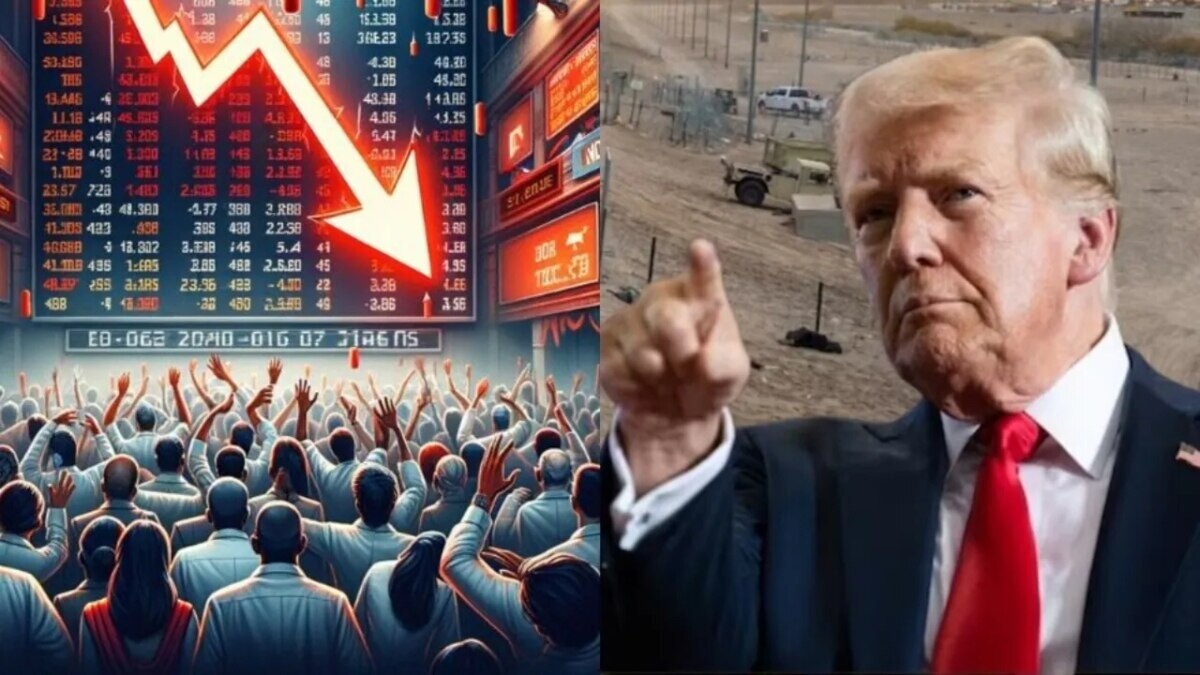
As reported by Bloomberg in their market wrap, stocks and futures experienced a broad slide in reaction to the tariff threat. Investors reacted swiftly, leading to a decline in key indices and futures contracts across various sectors. The immediate response was characterized by a flight to safer assets, a hallmark of market stress during geopolitical uncertainties.
- Stock Indices Drop: Major U.S. indices, including the Dow Jones Industrial Average, S&P 500, and Nasdaq Composite, registered sharp declines, reflecting waning investor confidence.
- Futures Contracts Fall: Equity futures for both domestic and international markets posted significant losses, signaling concern about future market stability.
- Sector-Specific Impact: The tech, manufacturing, and industrial sectors, often most impacted by trade policies, faced increased volatility and downward pressure.
The Broader Implications of Tariff Threats
Economic Uncertainty and Investor Sentiment
The threat of tariffs inherently elevates economic uncertainty, which tends to hinder investment and hiring decisions by companies. When businesses anticipate higher costs for inputs or potential retaliation from trade partners, they may delay expansion plans, which in turn affects economic growth trajectories.
Trade Relations and Global Supply Chains
The implications extend beyond the U.S. borders, as trade tensions ripple through global supply chains. Countries reliant on exports to the U.S. face potential declines in demand, while importers grapple with increased costs. This tug-of-war adversely affects international cooperation and economic stability.
Market Volatility and Investor Strategies
Given these circumstances, investors often shift toward more defensive positions, favoring assets perceived as safe havens, such as gold, bonds, or certain currencies. Market volatility surges during such periods, underscoring the importance of diversification and risk management in investment portfolios.
Historical Context: Past Responses to Trade-Related Uncertainty
Markets have historically reacted negatively to protectionist policies or threats of tariffs. For example, moments in the past when similar trade tensions arose—such as during the Smoot-Hawley Tariff Act in the 1930s or recent trade disputes during the early 2010s—were characterized by increased volatility and economic slowdown.
Lessons Learned
- Market resilience depends heavily on anticipation and adaptability.
- Uncertainty can be as damaging as actual policy changes, creating a “wait-and-see” environment that stifles growth.
- Proactive communication and policy clarity can mitigate some of these adverse reactions.
The Outlook: What’s Next for Investors and Policymakers?
Potential Scenarios
- De-escalation of Tensions: If negotiations lead to the removal or postponement of tariffs, markets could stabilize and rebound. Trust rebuilding among trade partners will be key.
- Retaliation and Escalation: Aggressive retaliatory measures could prolong volatility, leading to a sustained downturn in markets and potential global economic slowdown.
- Policy Clarity and Communication: Clearer communication from policymakers about intentions and potential outcomes can help alleviate market fears.
What Should Investors Watch?
- Developments in trade negotiations and policies.
- Responses from trade partners to tariff threats.
- Economic indicators that reflect the health of the manufacturing, export, and industrial sectors.
- Geopolitical signals and any escalation or de-escalation of trade disputes.
Concluding Remarks: Navigating Political Uncertainty in Financial Markets
The recent decline in stocks and futures amid Trump’s tariff threats exemplifies how sensitive markets are to political and policy signals. While such volatility can be unsettling, it also underscores the importance of strategic planning and diversification for investors. Staying informed, vigilant, and prepared for various scenarios can help mitigate risks during periods of heightened uncertainty.
As policymakers weigh their options and trade negotiations proceed, the financial community must remain adaptable. History shows that markets eventually recover and move forward, but understanding the underlying drivers and maintaining a disciplined approach will be key during these turbulent times.