

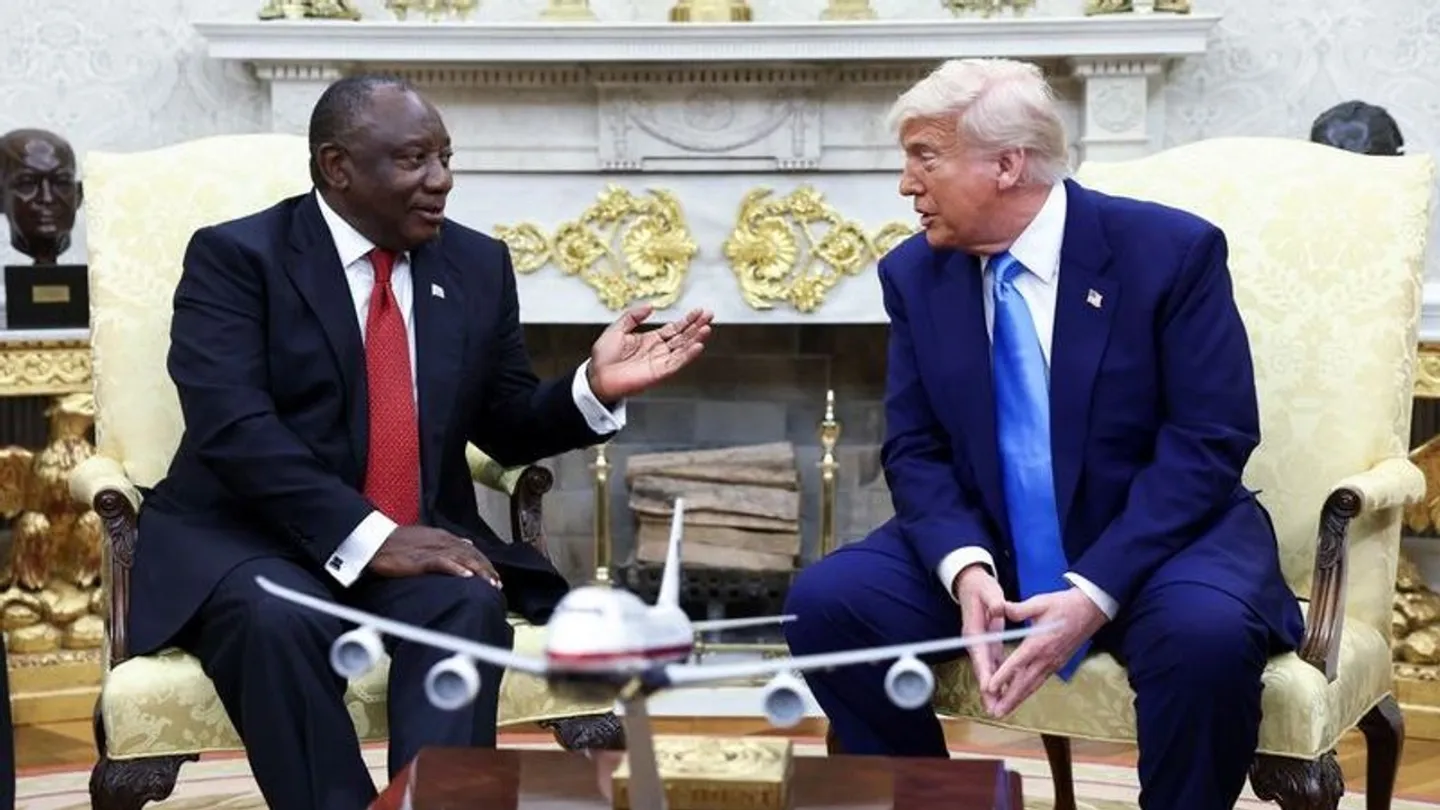
The global auto industry is currently navigating a complex and rapidly shifting landscape, with tariffs emerging as a critical factor influencing trade flows, manufacturing decisions, and economic stability. Recently, South Africa’s auto sector has issued a stern warning regarding the potential ramifications of impending US tariffs on auto imports and exports. As one of Africa’s most significant automobile manufacturing hubs, South Africa’s voice underscores the widespread concern that these tariffs could disrupt supply chains, hamper economic growth, and impact employment within the industry.
Understanding the Context of US Tariff Policies
The United States has historically employed tariffs as a strategic tool to protect domestic industries or to negotiate trade deals. However, in recent years, the approach has intensified, with the imposition of tariffs on various imported goods, including automobiles and auto parts. The rationale cited often revolves around national security, protecting local employment, or responding to unfair trade practices by other nations. Yet, these measures have profound repercussions beyond borders, especially for nations deeply integrated into the global supply chain, like South Africa.
South Africa’s Auto Sector: A Critical Player in Africa and Beyond
South Africa’s automobile manufacturing industry has experienced remarkable growth over the past decades. It has become a vital exporter, supplying vehicles to Europe, North America, and other African countries. The industry benefits from favorable trade agreements, government incentives, and a highly skilled workforce. Major international automakers, including Volkswagen, BMW, and Mercedes-Benz, operate manufacturing plants within South Africa, contributing significantly to the country’s GDP and employment figures.
However, the sector’s integrated nature with global markets makes it highly sensitive to changes in international trade policies. The recent warnings from South Africa’s auto industry reveal fears about the ripple effects that US tariffs could create, both directly through increased costs and indirectly via retaliatory measures from trading partners.
The Potential Impact of US Tariffs on South Africa’s Auto Industry
Disruption in Supply Chains
One of the primary concerns is the disruption caused by tariffs to the global supply chain. South African auto manufacturers depend heavily on imported components, especially from the United States, Europe, and Asia. Increased tariffs on auto parts and vehicles would lead to higher production costs, which could compel manufacturers to reconsider their investment strategies, delay product launches, or even reduce output altogether.
- Increased Cost of Raw Materials and Components: Tariffs push up the prices of imported parts, thereby raising manufacturing costs. This can make South African-made cars less competitive in both local and international markets.
- Delay in Delivery and Production Schedules: Tariffs can cause supply chain bottlenecks, delaying assembly lines and increasing inventory costs.
- Reduced Profit Margins: Automakers might be forced to absorb increased costs or pass them on to consumers, potentially reducing sales volumes.
Trade War Amplification and Retaliation
Tariffs introduced by the US can trigger retaliatory measures from countries that feel harmed or unfairly targeted. For South Africa, this could mean facing tariffs or trade barriers from key trading partners like the European Union, China, or other African nations. Such retaliations could decline exports, impacting revenue and employment levels in South African auto manufacturing hubs.
- Decline in Export Volumes: Higher tariffs in the US could lead to a drop in South African vehicle exports to North America, reducing revenue streams.
- Market Diversification Risks: While South Africa has diversified its export markets, a trade war could reverse some of these gains, forcing automakers to seek alternative markets under less favorable terms.
- Job Security Concerns: Falling export volumes and profit margins could lead to layoffs and investment cuts within the sector.
Economic and Employment Repercussions
The auto industry is a major employment driver in South Africa, supporting thousands of jobs across manufacturing, parts suppliers, logistics, and sales. Any downturn caused by US tariffs could have ripple effects, leading to layoffs, reduced wages, and decreased investment in the sector.
- Job Losses: Reduced production and exports might result in factory closures or layoffs, impacting local communities.
- Decreased Foreign Investment: Uncertainty from trade frictions can discourage foreign investors from expanding or establishing new manufacturing units.
- Economic Slowdown: The automotive sector’s decline could depress broader economic indicators, including GDP growth, tax revenues, and currency stability.
Strategic Responses and Industry Challenges
Seeking Diplomatic Remedies and Sankey Strategies
The South African auto industry is actively engaging with policymakers to seek diplomatic solutions. Strategies include lobbying for exemptions or negotiated trade agreements that exclude auto components from tariffs, and urging for a multilateral approach to resolve trade tensions.
- Negotiated Trade Agreements: South Africa is exploring arrangements that ensure continued market access and tariff exemptions.
- Enhancement of Local Manufacturing Capabilities: Investing in local value addition and reducing reliance on imports could buffer the industry against external shocks.
- Diversification of Export Markets: Expanding into new markets such as Asia and Latin America can help mitigate risks associated with US trade policies.
Innovations and Adaptations for Future-Proofing
The industry is also considering technological innovations, including electric vehicles (EVs) and digital manufacturing techniques, to stay competitive. Adoption of cleaner energies and smart manufacturing can not only diversify product offerings but also align with global environmental standards, opening new avenues for growth.
Conclusion: A Call for Coordinated Action
The warning from South Africa’s auto sector underscores a broader narrative of interconnected economies and the delicate balance of global trade policies. While tariffs might serve specific strategic goals for the US, their unintended consequences ripple across continents, affecting industries, employment, and economic stability elsewhere. It is crucial for policymakers, industry leaders, and international community members to engage in dialogue, aiming for solutions that balance national interests with global economic health.
As the situation unfolds, continuous monitoring and strategic adaptability will be key for South Africa’s auto manufacturers. The industry’s resilience and proactive measures can help mitigate adverse impacts and pave the way for sustainable growth amidst uncertain trade policies.
In the end, collaboration and innovation will be vital in navigating the challenges posed by US tariffs, ensuring that South Africa remains a competitive and vital player in the global automotive landscape.
For more updated news please keep visiting Hourly Prime News.