

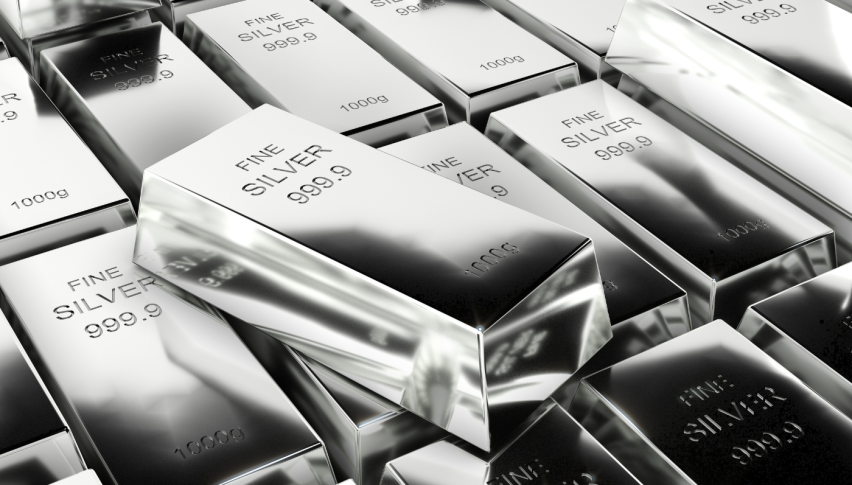
The global financial landscape is experiencing notable shifts as the price of silver surges to a 14-year high, while the FTSE 100 index dips ahead of the weekend. This scenario has sparked increased interest among investors, analysts, and markets observers, reflecting a complex mix of economic factors, investor sentiments, and geopolitical influences.
Silver, often considered both a precious metal and an industrial commodity, has historically played a pivotal role in portfolio diversification and as a hedge against economic instability. The recent spike to its highest levels in over a decade underscores the metal’s ongoing relevance in contemporary financial strategies.
The Surge in Silver Prices: What’s Behind the Rise?
Market Dynamics Driving Silver to 14-Year Highs
The price of silver has been on an upward trajectory due to multiple interlinked factors:
- Inflation Concerns: Persistent inflation worries have led investors toward tangible assets like silver, which historically maintain value in inflationary periods.
- Weakening US Dollar: A decline in the US dollar tends to make silver more attractive to international investors, boosting demand and raising prices.
- Increasing Industrial Demand: Silver’s unique position as both a precious and industrial metal means rising industrial usage—particularly in electronics, solar panels, and medical applications—has contributed to increased buying.
- Geopolitical Tensions: Ongoing geopolitical uncertainties, including trade tensions and conflicts, tend to push investors into safe-haven assets like silver.
- Speculative Activity: Market speculation driven by traders and hedge funds has amplified the upward movement, creating a self-reinforcing cycle of price gains.
Historical Context and Significance
Reaching a 14-year high places silver prices firmly in the spotlight, reminiscent of the market conditions during the late 2000s and early 2010s. During that period, silver experienced significant volatility, but sustained appreciation reflected broader economic shifts and investor preferences.
Today’s rally is being closely monitored for its implications on the commodities market and broader economic outlooks. Investors are recalibrating their portfolios, with some viewing silver as a strategic hedge against inflation and currency devaluation.
The Decline of the FTSE 100: What’s Causing the Fall?
Market Conditions Leading to the FTSE 100 Dip
While silver prices are soaring, the FTSE 100—a key indicator of the UK’s stock market performance—has experienced a decline before the weekend. Key factors contributing to this downturn include:
- Profit-taking and Market Corrections: Investors possibly locking in gains after recent highs and adjusting their positions ahead of anticipated volatility.
- Global Economic Indicators: Global economic data released recently has shown signs of slowdown, impacting confidence in the UK’s market performance.
- Rising Energy Costs and Inflation: Increased costs for energy and raw materials are weighing on corporate earnings, particularly in sectors like manufacturing and transportation.
- Political and Brexit-Related Uncertainties: Ongoing Brexit negotiations, policy uncertainties, and political shifts continue to influence investor sentiment negatively.
- External Geopolitical Factors: International tensions, including trade disputes and conflicts, often lead to risk-off sentiments, prompting investors to move away from equities.
Implications and Market Sentiment
The decline in the FTSE 100 suggests caution among investors, who may be seeking shelter from macroeconomic headwinds. Typically, equity markets respond negatively to concerns over economic growth prospects, inflation, and geopolitical risks.
This decline, juxtaposed with the rising silver prices, emphasizes the diverging trends within the investment universe—highlighting the importance of diversification and asset allocation strategies in turbulent times.
Economic Outlook and Future Perspectives
What Does the Future Hold for Silver?
While the recent surge has topped off a period of volatility, many analysts believe that the outlook for silver remains bullish, especially in light of ongoing inflationary pressures and industrial demand. However, potential headwinds include:
- Interest Rate Movements: Central banks, especially the Federal Reserve, are closely watching inflation and may adjust interest rates. Higher rates could dampen precious metal prices as alternative assets become more attractive.
- Strengthening of the US Dollar: A potential rebound in the dollar could exert downward pressure on silver prices.
- Global Economic Recovery: A swift and sustained recovery from current economic uncertainties could reduce safe-haven bids for silver.
What About the Stock Market?
The FTSE 100’s recent decline raises questions about the resilience of equities amid economic headwinds. Investors may need to re-evaluate risk exposure, especially considering that markets tend to be cyclical and influenced by macroeconomic factors.
In the coming weeks, market participants will be looking for signs of stabilization or further declines, driven by economic data releases, central bank policies, and geopolitical developments.
Strategic Considerations for Investors
Amidst these market developments, here are some strategic considerations:
- Diversification: Spread investments across asset classes to minimize risk during volatile periods.
- Focus on Precious Metals: Allocate a portion of your portfolio to silver and other metals as a hedge against inflation and currency devaluation.
- Monitor Economic Indicators: Keep an eye on inflation data, interest rate policies, and geopolitical news that could impact market directions.
- Risk Management: Employ stop-loss orders and consider shorter-term trading strategies in highly volatile environments.
Conclusion: Navigating a Complex Market Landscape
The recent surge in silver prices to a 14-year high, contrasted with the decline of the FTSE 100, underscores the nuanced and multifaceted nature of current markets. Investors are faced with opportunities and risks that require careful analysis, diversification, and agility.
As the global economic picture continues to evolve, staying informed and strategic will be key to capitalizing on opportunities while managing potential downturns. The movement in precious metals and stock indices indicates a period of transition and adjustment, where patience and prudence can offer significant benefits.
Whether you’re holding physical silver, gold, stocks, or other assets, understanding these market dynamics is essential to making informed decisions that align with your financial goals.
For more updated news please keep visiting Hourly Prime News.